Note family
Aromatic notes
Aromatic notes use penetrating herb oils to impose order, with lavender supplying the framework and mint or juniper changing its temperature.
In this catalog
Most used notes of the family
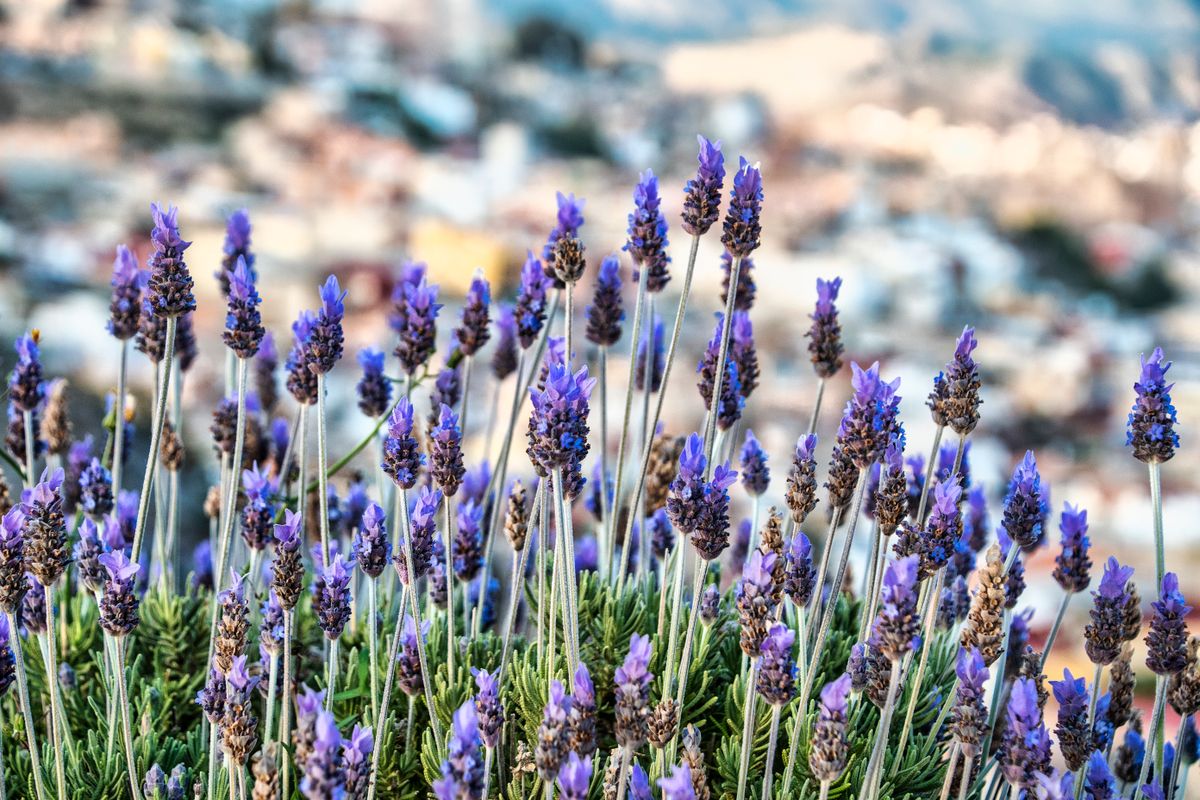
- Lavender5,522 perfumes
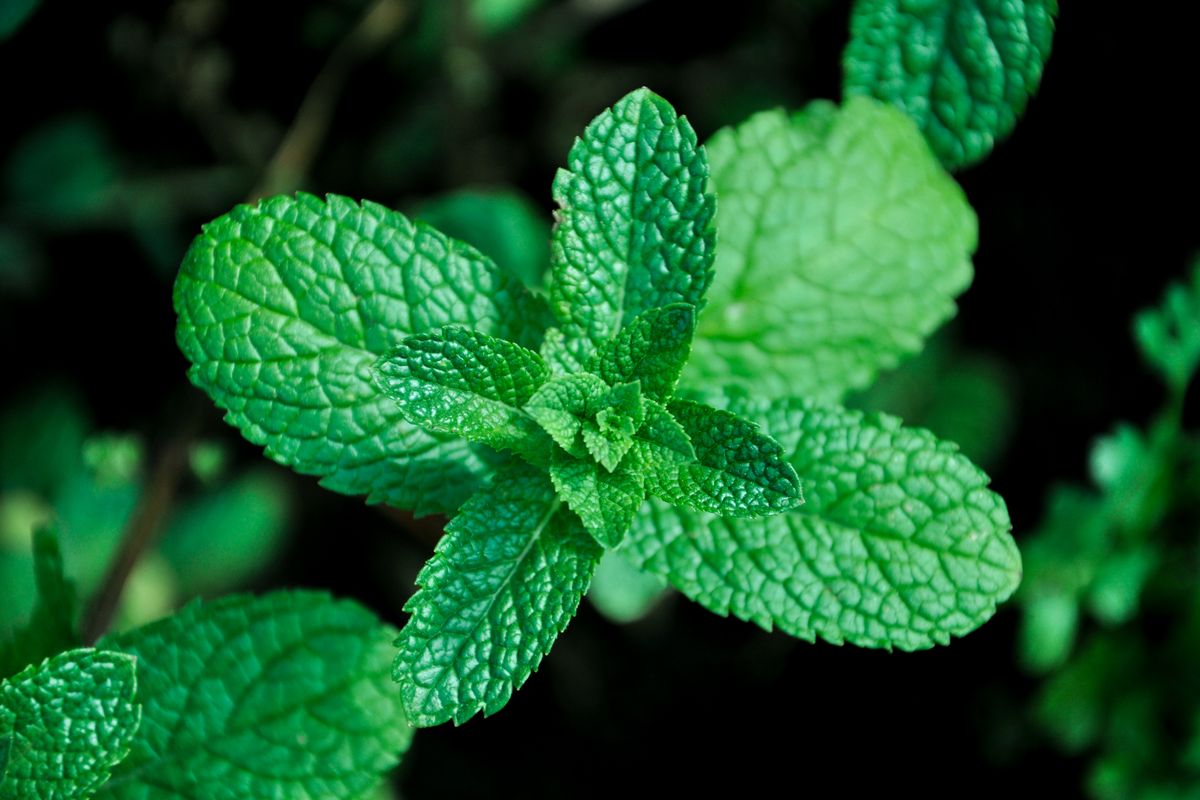
- Mint2,318 perfumes
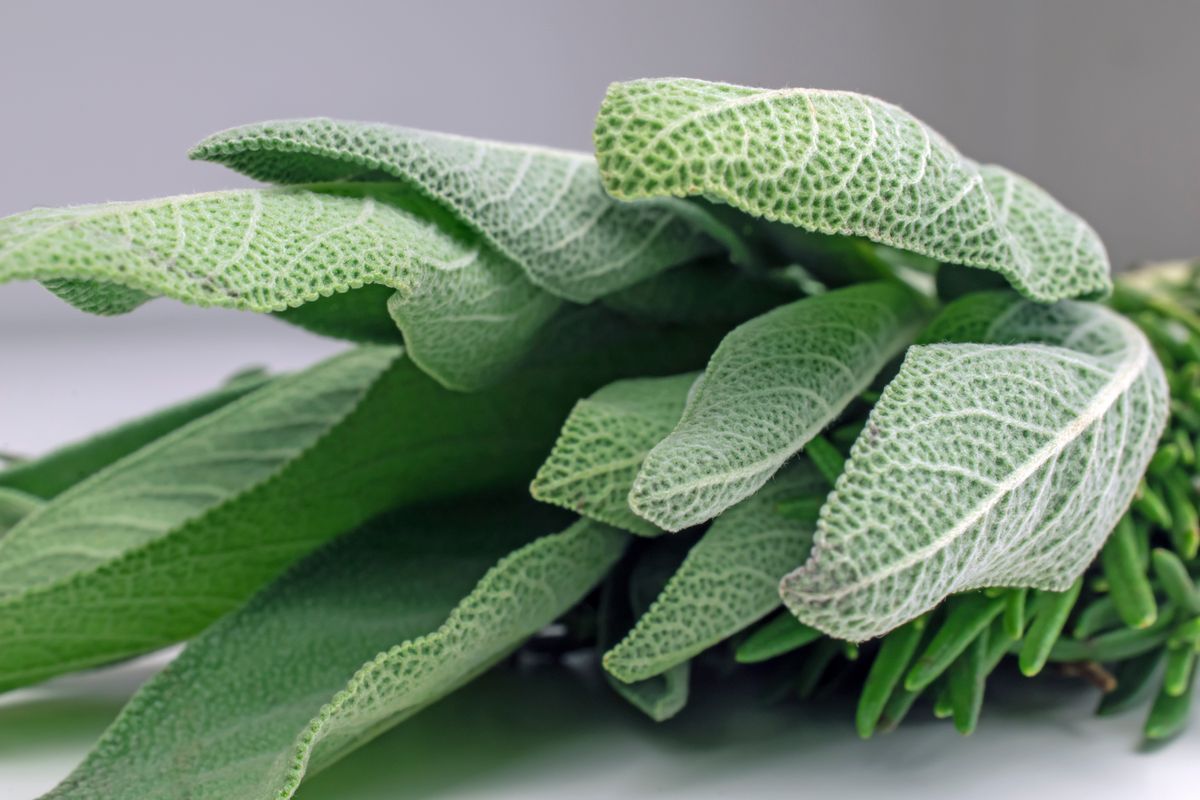
- Sage1,654 perfumes
- Juniper882 perfumes

- lavender extract37 perfumes
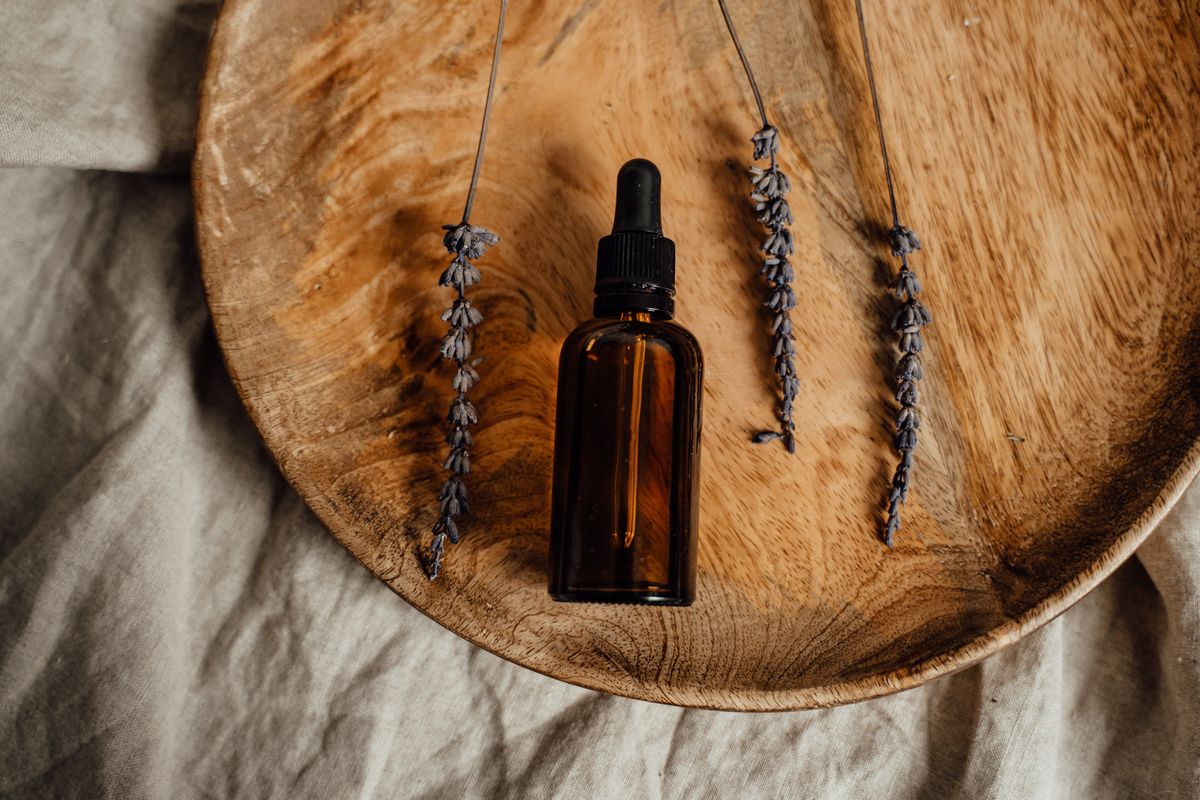
- wild lavender21 perfumes
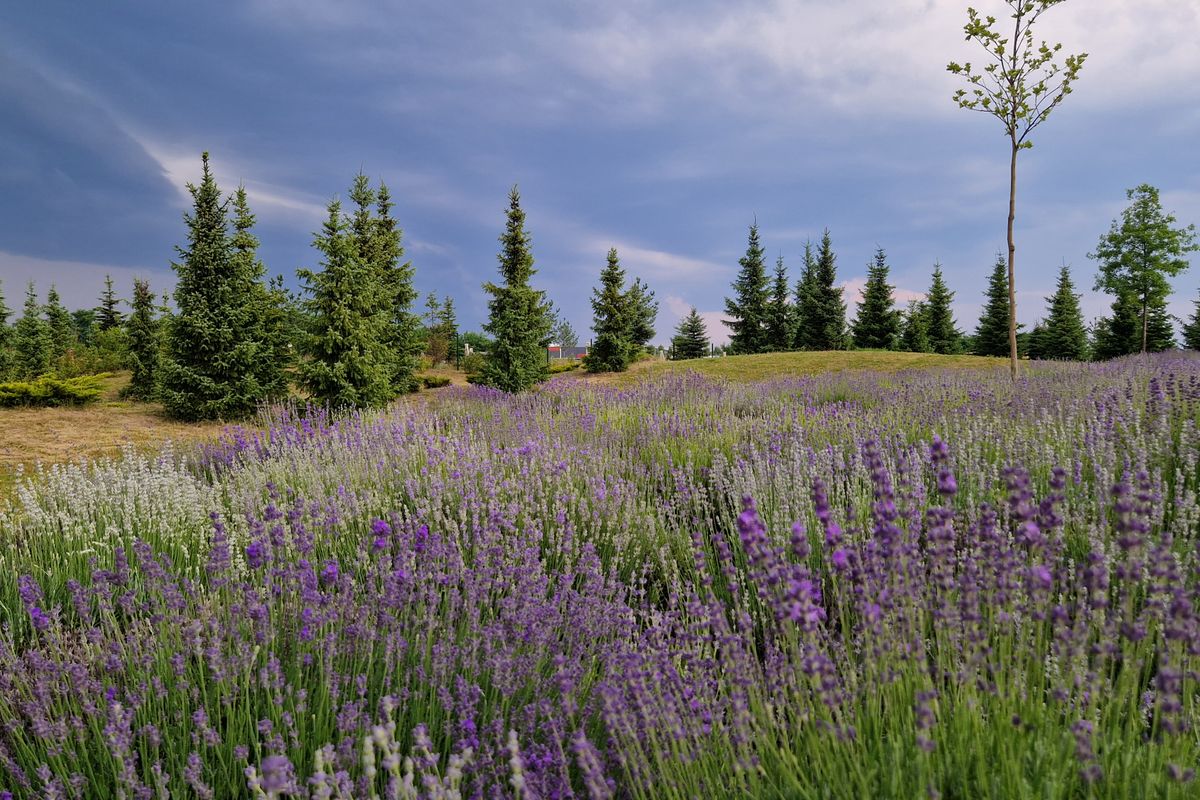
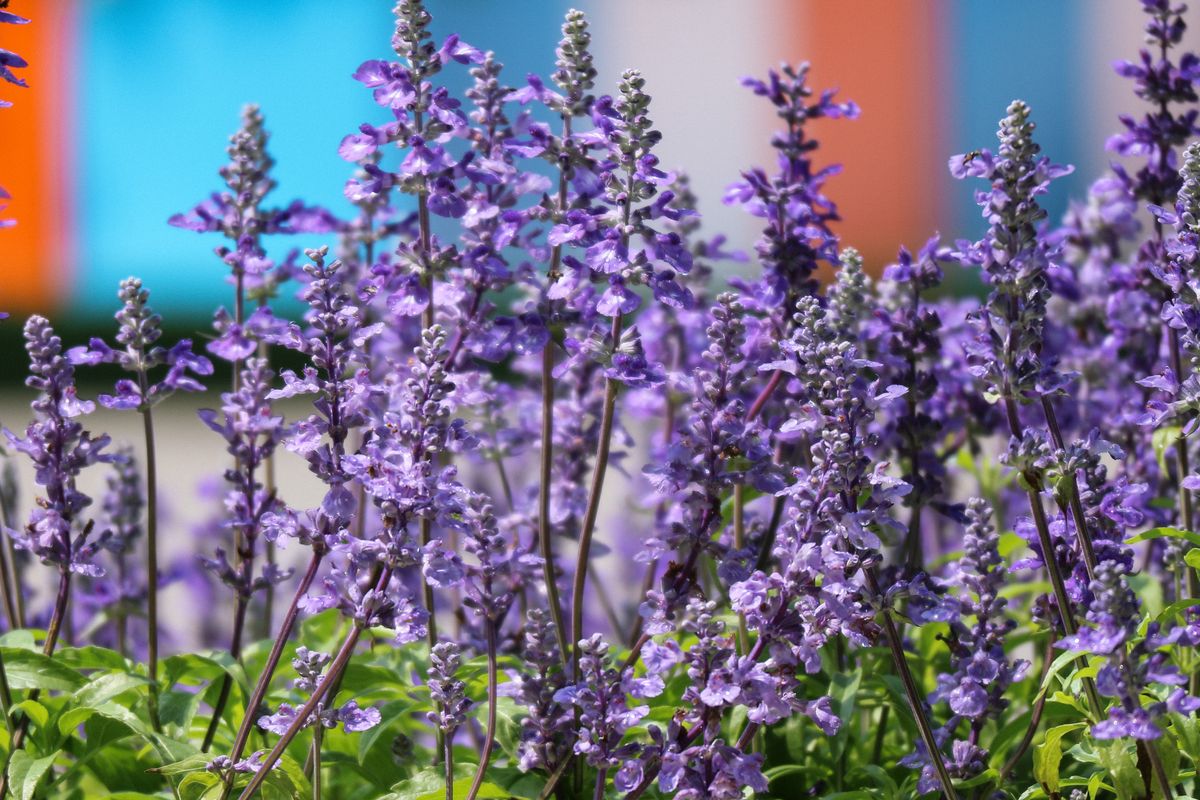
- blue lavender16 perfumes
All 7 of them.
A tiny taxonomy hides a broad practice
Aromatic perfumery is larger than Essentia's category admits. The classified family reduces the practice to lavender, mint, sage, and juniper, followed only by narrower lavender labels. Rosemary and peppermint have been placed in other families; bay leaf has too. The data describes classifier boundaries, not the full aromatic palette.
What unites the core is penetrating herbal diffusion. Lavender combines flower with essential-oil freshness. Mint adds a physical impression of cooling through menthol. Sage brings a drier herbal body, while juniper turns toward resinous berry and the familiar smell of a dry spirit. None is simply green.
Aromatic materials organize a formula. Their clear outlines prevent sweetness from spreading without shape and give woods an open upper register. This is why aromatic structures can feel clean even when they are dense. Cleanliness comes from order, not from an absence of material.
Lavender is flower and framework
Lavender earns its central role through dual identity. Linalyl acetate gives the oil a soft diffusive lift, while camphoraceous and herbal facets keep it from behaving like a plush flower. The material can connect bergamot above to tonka below without making either transition sound forced.
That bridge underpins the fougère idea. Lavender establishes the aromatic line, and coumarin gives the base dry hay-like warmth. Mossy material can add shadow without erasing the structure. A modern perfume can revise every proportion and still rely on the same tension between volatile herb and persistent softness.
Lavender also exposes differences hidden by one note name. An essential oil and an absolute emphasize different parts of the plant's profile. Reconstruction opens another set of choices. The generic catalog record absorbs most of them. Lavender Extract appears separately only when a brand makes extraction part of the disclosure.
The catalog falls after juniper
Lavender leads the aromatic family by a wide margin. Mint follows at less than half its reach, then sage and juniper complete the recurring vocabulary. After juniper, usage collapses. The remaining entries are lavender variants that appear only in a small fraction of the leader's perfumes.
The shape is more extreme than a normal long tail because the family contains almost no tail of distinct herbs. It has a core and then editorial refinements to its leader. Wild Lavender and Blue Lavender do not broaden the taxonomy in the way rosemary or thyme would. They restyle the dominant idea.
Every listed aromatic entry is used, but that completeness is misleading. A small category can have no empty records and still omit most of the practice it claims to represent. Here, the missing materials are visible elsewhere in the same catalog.
Mint cools while sage dries
Mint is defined by cooling sensation as much as odor. Menthol activates a physical association that makes surrounding fruit or flowers feel colder without adding water. The effect is immediate and can become medicinal when sweetness or soft foliage does not absorb its edge.
Sage has less literal coolness. Its dry savory profile imposes distance and can pull a composition toward leather or tea. The catalog does not distinguish common sage from clary sage in the leading label, even though perfumery treats their profiles and materials differently. Generic naming again hides a real technical choice.
Juniper occupies another border. Its berry oil is terpenic and coniferous, with a gin association that reads as tonic dryness rather than culinary spice. Against cedar it sharpens the forest image; beside citrus it extends bitterness without becoming peel. Its lower catalog use reflects specificity, not weakness.
The missing herbs are filed elsewhere
Rosemary appears high in the floral family even though its camphoraceous herb profile is decisively aromatic. Peppermint sits under spice, where pungent cooling explains the placement but botanical logic does not. Elsewhere, bay leaf is filed as green. The same olfactory practice has been broken across incompatible category rules.
This fragmentation also explains why the aromatic family looks implausibly small. The classifier appears to privilege particular source labels over function: a flower can send rosemary toward floral, while a leaf can send bay toward green. Mint remains aromatic only when the name lacks the peppermint qualifier. No single principle survives all cases.
Blue Lavender at the tail is the reverse problem. Color language creates a separate aromatic record even though it does not establish a distinct material. The catalog both exports genuine herbs to other families and imports styling variants as if they expanded this one. The honest reading is narrow: its leading records are useful, but its boundaries are not a trustworthy map of aromatic perfumery.