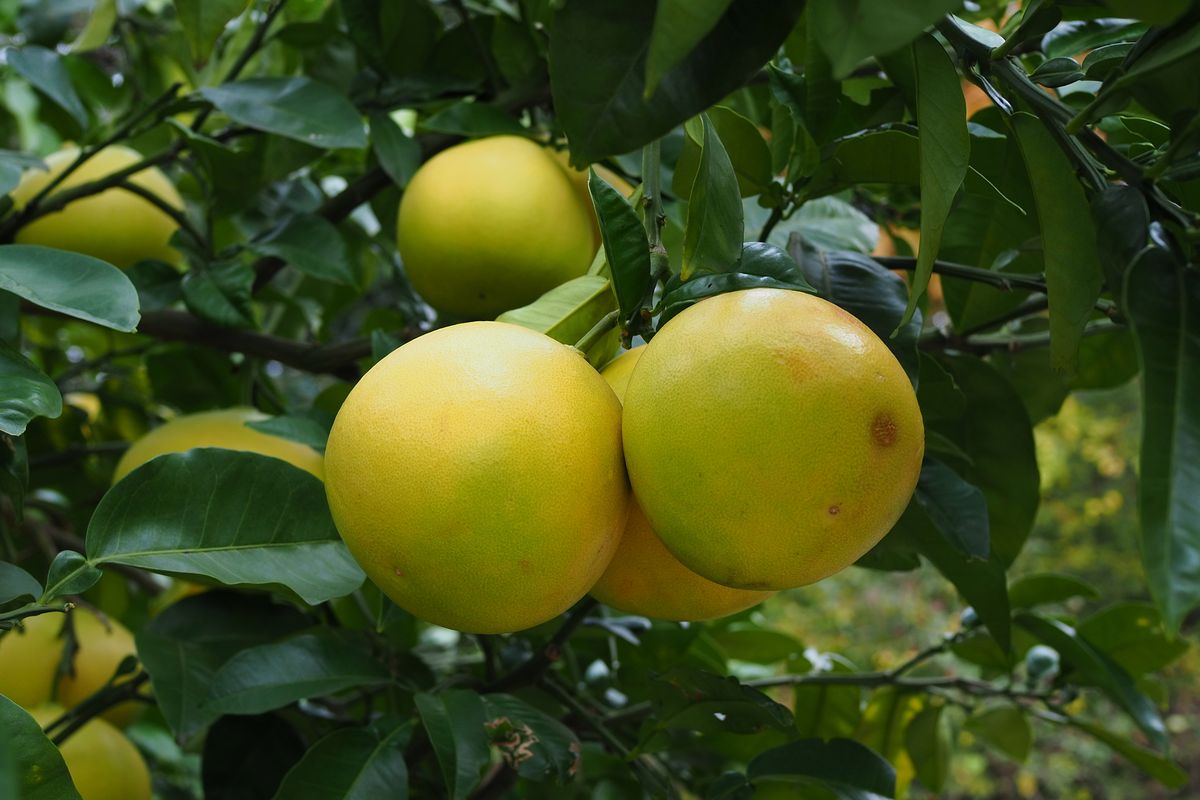
Note family
Citrus notes
Citrus perfumery begins with volatile peel oils, then extends their brief light through flowers, leaves, woods, and carefully built accords.
In this catalog
Most used notes of the family
- Bergamot17,112 perfumes
- Mandarin Orange8,234 perfumes
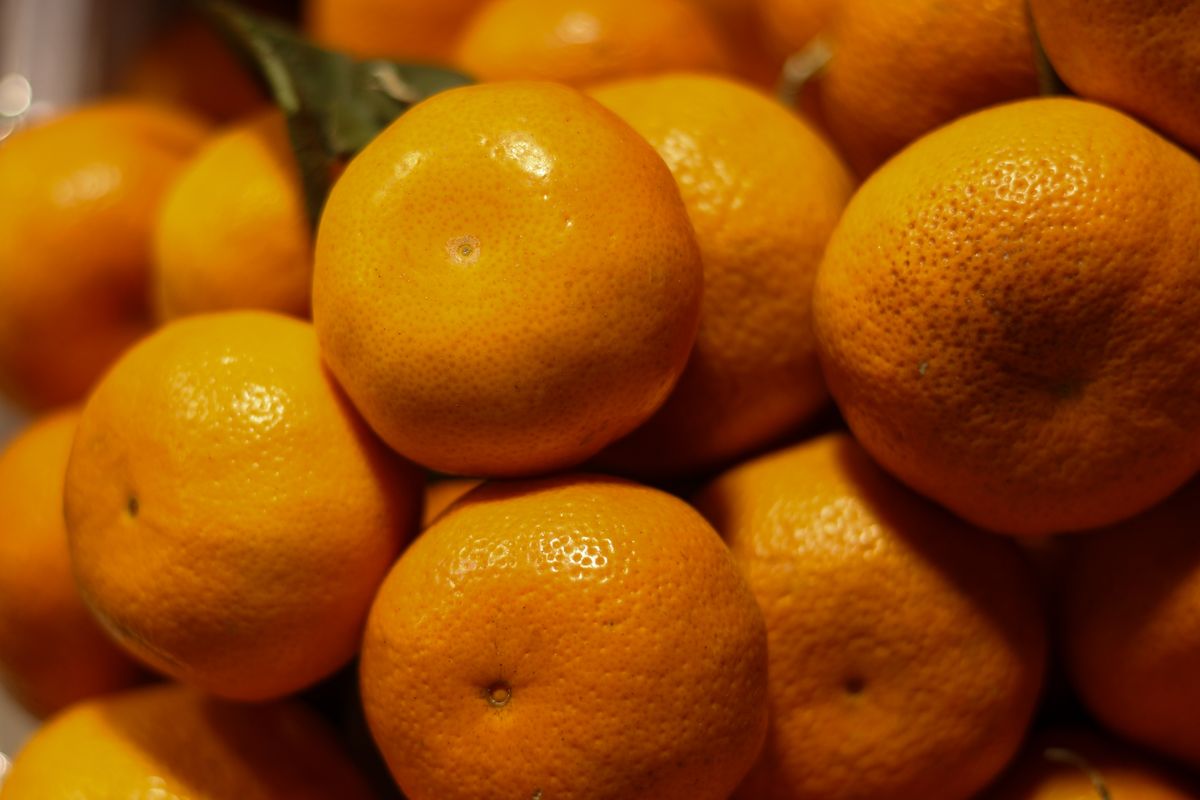
- Lemon6,674 perfumes
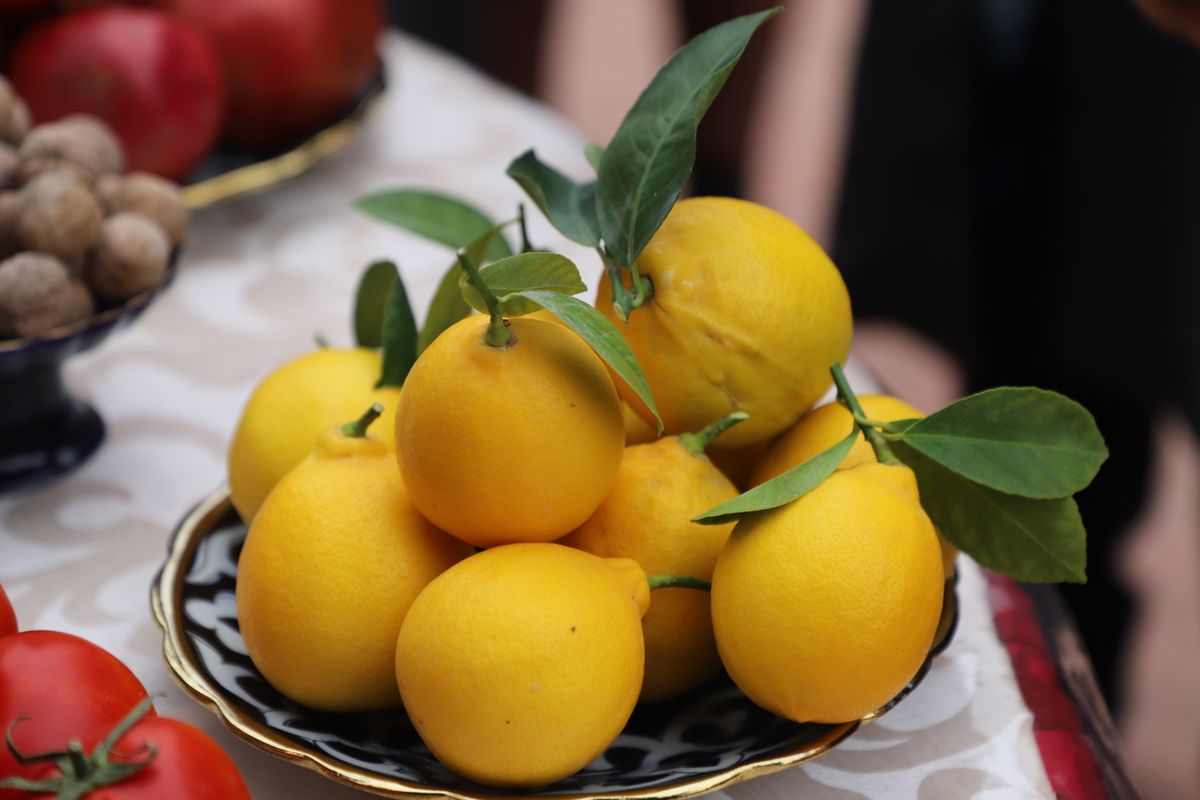
- Grapefruit4,378 perfumes
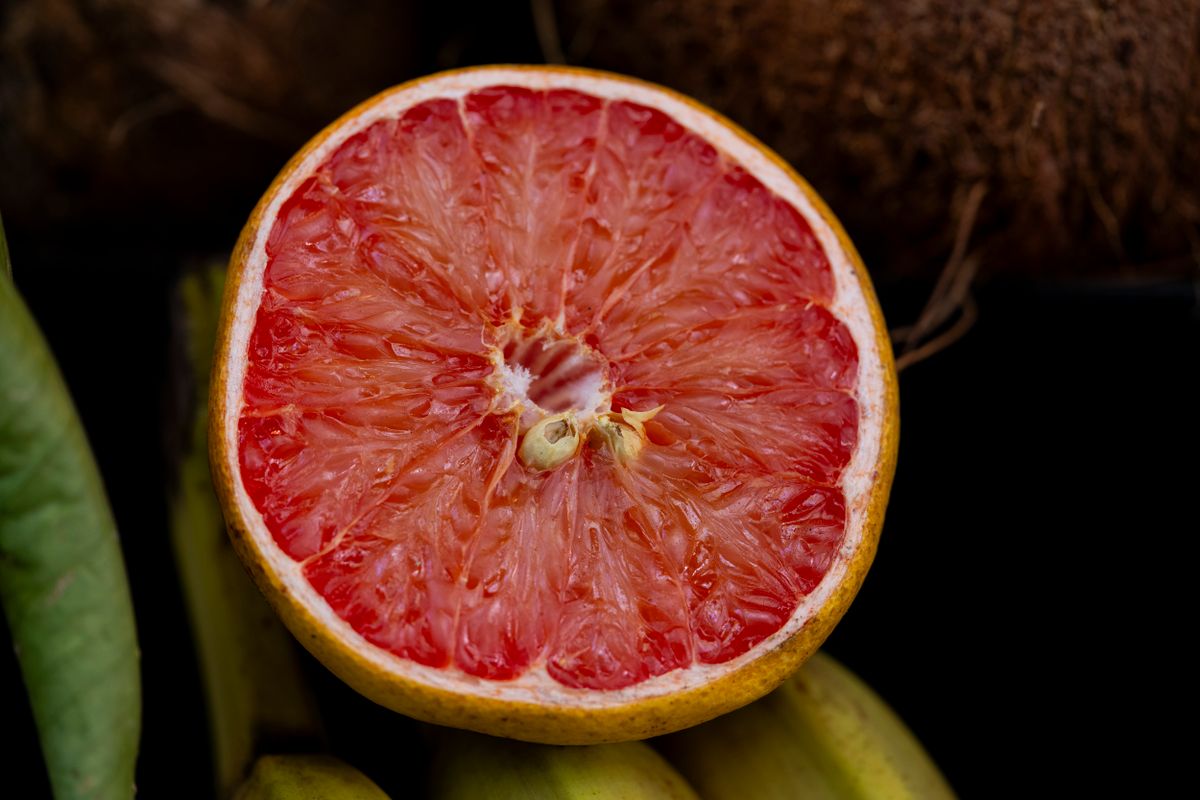
- Orange3,659 perfumes
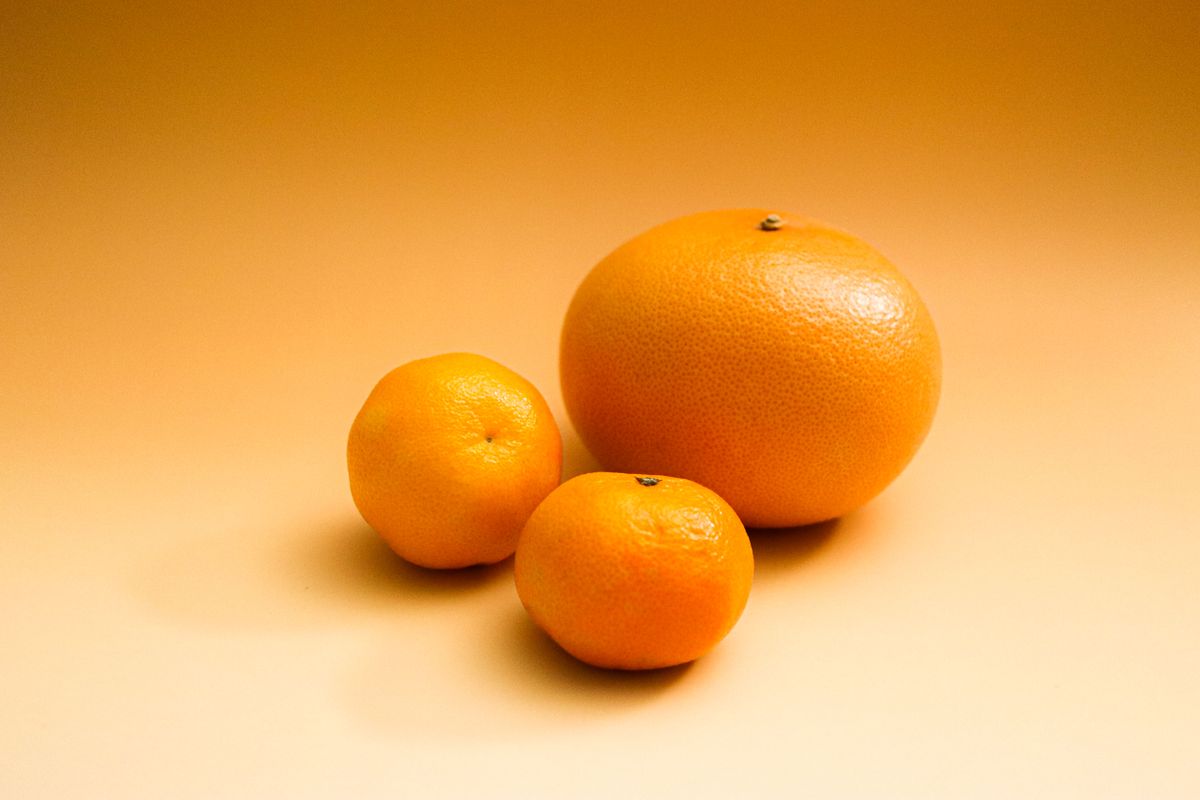
- Neroli2,714 perfumes
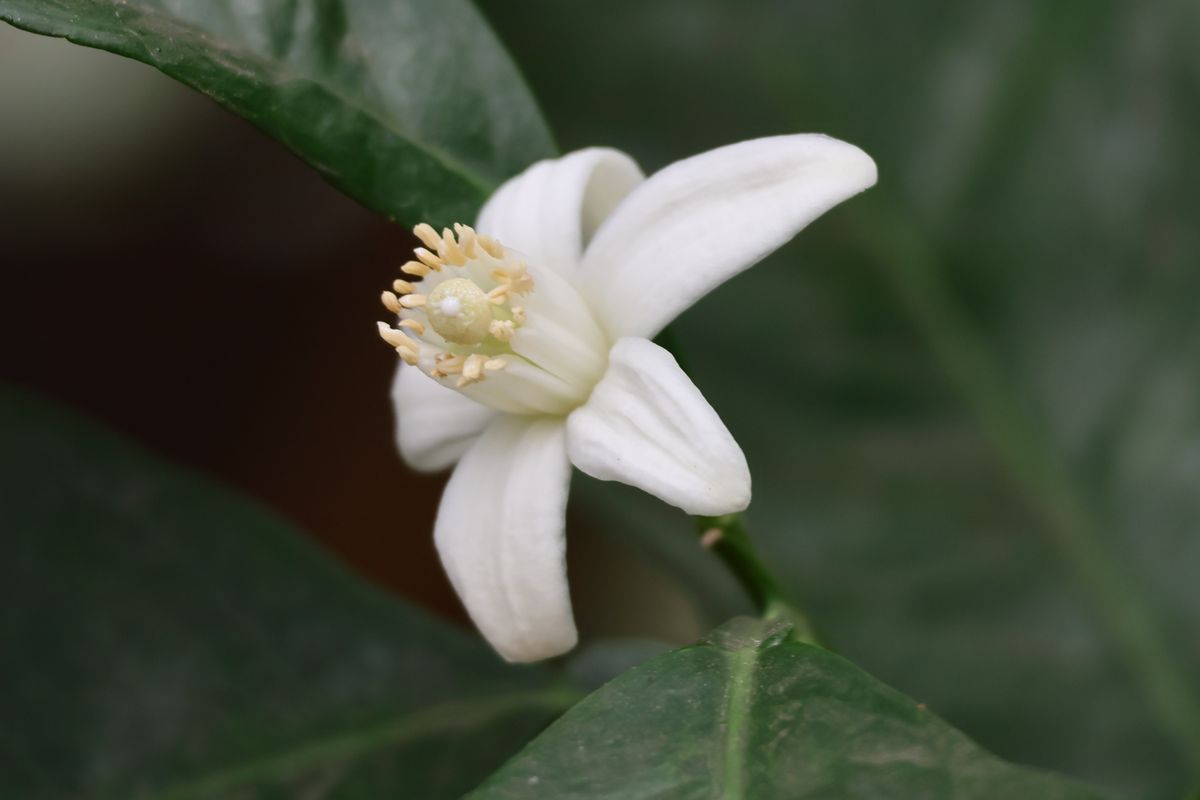
- citruses2,445 perfumes
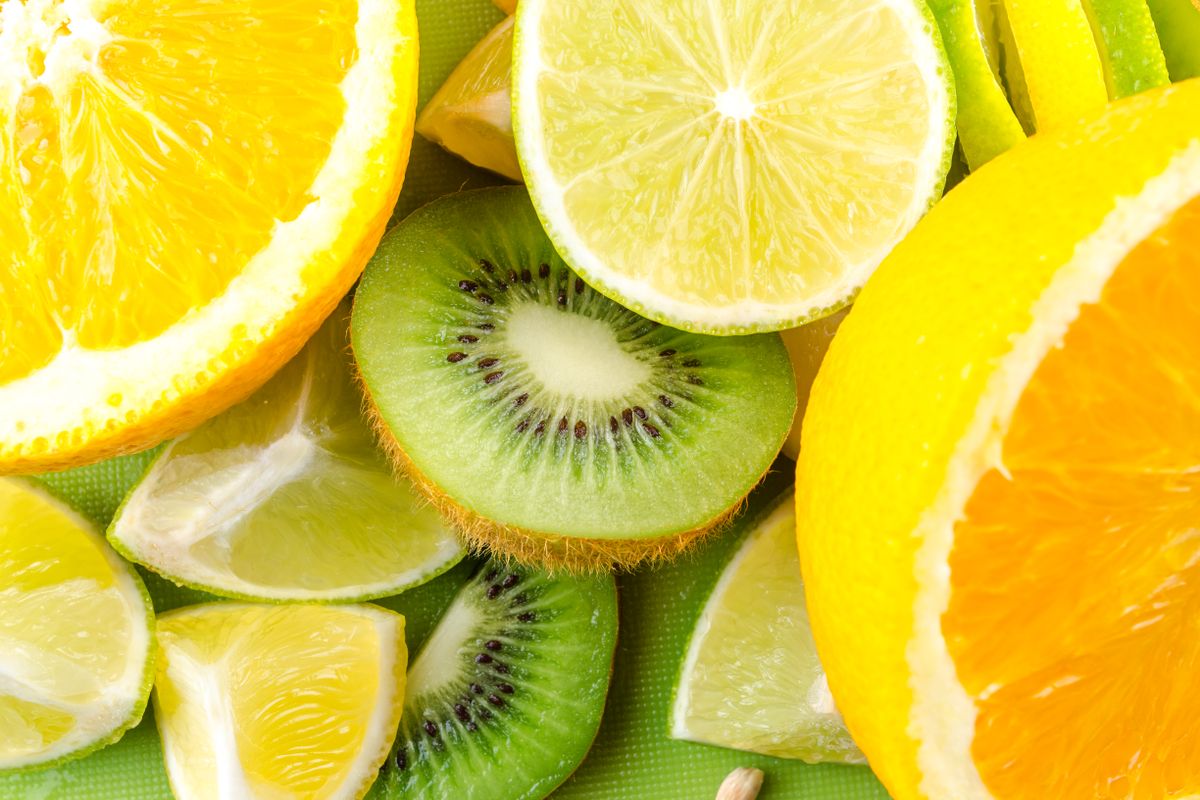
- lime1,625 perfumes
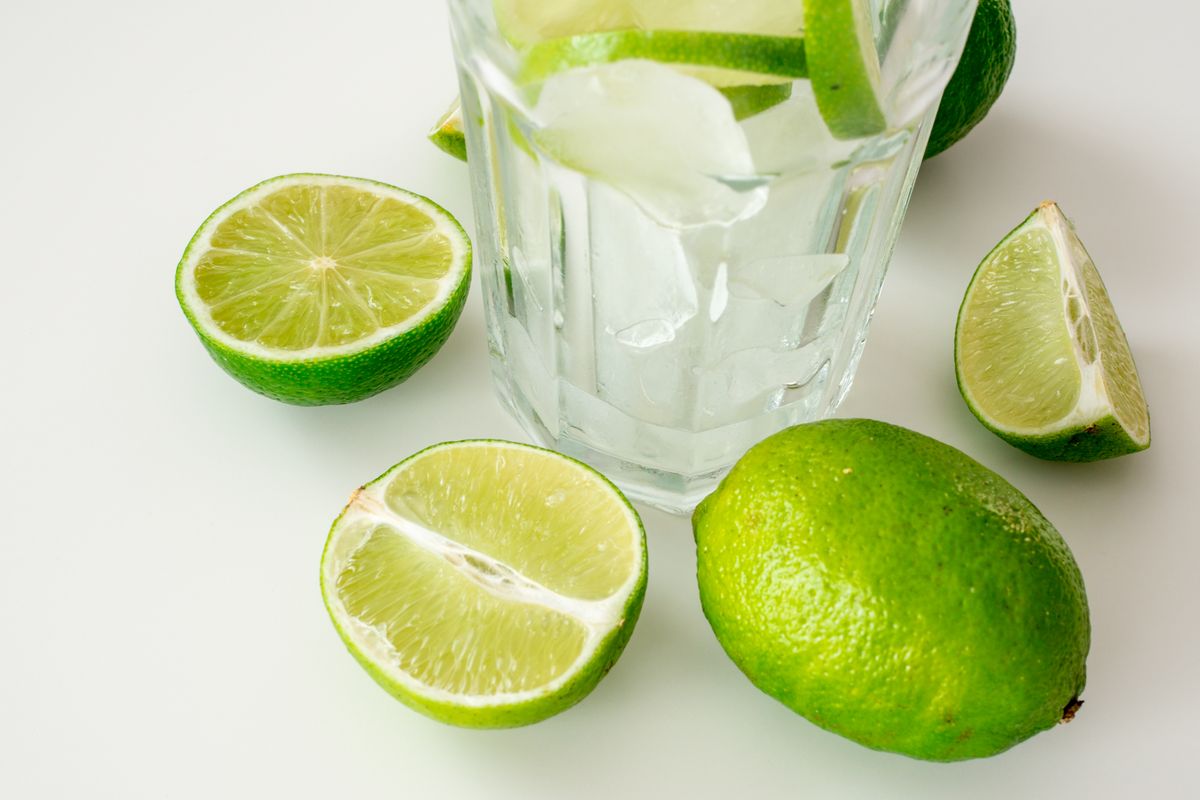
The eight most used, of 100.
The peel is the family's engine
The defining citrus material is not juice. It is the oil held in the colored outer peel, released as a fine spray when the rind is bent. Expression captures that oil with its volatile terpenes intact, which is why bergamot, lemon, mandarin, and orange register so quickly. Their shared effect is lift: the composition seems to acquire light and moving air before the individual fruit is fully identified.
Sweetness is secondary. Lemon is ruled by zest and acid association, while grapefruit carries dry pith and a sulfurous bite. Mandarin is softer because its peel profile reads as ripe and rounded. Bergamot is the family's great mediator. Its linalool and linalyl acetate facets connect peel to lavender, tea, and orange blossom, allowing it to open a floral perfume without leaving a blunt fruit impression.
The family extends beyond peel because a citrus tree provides several perfumery materials. Bitter-orange blossom yields neroli by distillation and orange-blossom absolute by solvent extraction. Leaves and young twigs yield petitgrain. These materials share a botanical source but not a single odor, and forcing all of them into the language of juicy freshness erases the part perfumers actually use.
Brightness has a short clock
Citrus oils evaporate early, and their disappearance is part of their function. A sharp opening clears the nose for the heart and makes the next transition legible. The error is to judge that movement as poor longevity. Natural peel oil is not meant to perform like cedar or labdanum; a formula that nailed it to the base would destroy the flash that makes citrus useful.
A long citrus impression is therefore an act of relay. Neroli carries the bitter-orange idea into the floral heart. Petitgrain preserves the green twig and leaf. Dry woods retain the pith-like edge after the oil has gone, while clean musks keep the space around the accord open. Modern materials add persistent radiance, but the result lasts by resemblance and continuity rather than by suspending fresh lemon oil unchanged for hours.
The evaporation also alters identity. Lemon and bergamot can seem close in the first burst because both are bright and terpenic. Bergamot's floral-tea body becomes clearer as the sharpest peel facets recede. Grapefruit often leaves a dry, slightly bitter signature after its juicier opening has thinned, helped by odorants whose character is powerful at very low concentration. Mandarin loses definition fastest when sweetness in the heart absorbs its outline.
Bergamot sets the catalog's scale
Essentia's catalog does not distribute citrus attention evenly. Bergamot appears in more than twice as many perfumes as mandarin orange, the runner-up. Its lead over bitter orange, lower in the leading group, is well beyond an order of magnitude. That gap records formula practice: bergamot is not merely a recognizable fruit note but the default hinge between a volatile opening and almost any floral or aromatic heart.
The next cluster is more literal. Mandarin orange, lemon, grapefruit, and orange supply distinct versions of peel, and neroli marks the turn toward blossom. A generic entry named citruses also sits unusually high. That broad label is useful to a note pyramid that promises an effect without identifying a material, but it blurs the difference between a composed citrus accord and an expressed oil.
Provenance and variety split the same idea across several records. Lemon coexists with Amalfi lemon; bergamot with Calabrian bergamot. Orange branches into bitter orange and blood orange, while African orange flower occupies the floral edge. The specific labels appear far below their generic parents. That does not prove that named origins are rarely used: many formulas summarized as bergamot never disclose origin, and catalog counts measure published vocabulary rather than purchasing records.
The tail is candid about classification noise. Yuzu flower and orange-blossom absolute belong to the citrus tree but smell primarily floral. Citron leaf points toward green foliage. Coral limestone has no defensible place in a citrus taxonomy at all. Its isolated appearance is not a new citrus material; it is evidence that the source classification occasionally confuses a fragrance's imagery with the odor family of its note.
From expression to reconstruction
Expression gives citrus oils their vivid resemblance to freshly broken peel, but it also brings practical constraints. Limonene-rich oils oxidize in air, changing odor and increasing sensitization concerns. Certain expressed oils contain furocoumarins associated with phototoxicity. Rectified or furocoumarin-reduced materials answer that problem, as do distilled citrus oils, although processing changes the profile that made the raw oil attractive.
Reconstruction begins where natural oil becomes unstable, restricted, or too brief. Citral sharpens a lemon direction; linalyl acetate broadens bergamot's floral side; trace sulfurous materials create the snap of grapefruit. None of these alone equals a fruit. The accord works because peel, pith, diffusion, and decay arrive in a convincing sequence.
The most informative distinction lies between squeezed rind and named fruit. Fresh lemon peel is oily and bitter before it is conventionally sour. Grapefruit peel has a dry white-pith resistance absent from a sweet orange. Mandarin gives up some edge in exchange for a fuller, riper surface. Neroli abandons the fruit almost completely and retains only the bitter tree's green-floral lineage. Citrus perfumery becomes precise when those materials stop serving as synonyms for freshness.
The cologne principle
Classical cologne structure makes the family's logic unusually visible. Citrus oils deliver an immediate, generous opening; aromatic herbs keep that opening from reading as fruit drink; restrained flowers soften the descent. The form is brief by design, and its clarity comes from refusing to disguise the materials' volatility.
Contemporary citrus fragrances often pursue greater persistence, yet the same principle survives. The opening must spend itself. What follows should preserve the angle of the light rather than repeat the opening at lower volume. Dry tea lets bergamot retain its floral bitterness after the peel has gone. Grapefruit asks for a rougher continuation, and vetiver can carry its pith into roots. Mandarin works differently because pale musk protects roundness instead of extending bitterness. The citrus note earns its place through the direction it gives the perfume, not through being the last material left on skin.