Note family
Floral notes
Floral perfumery is defined by the structural role of flowers, from indolic jasmine and fleshy tuberose to powdery violet reconstructions.
In this catalog
Most used notes of the family
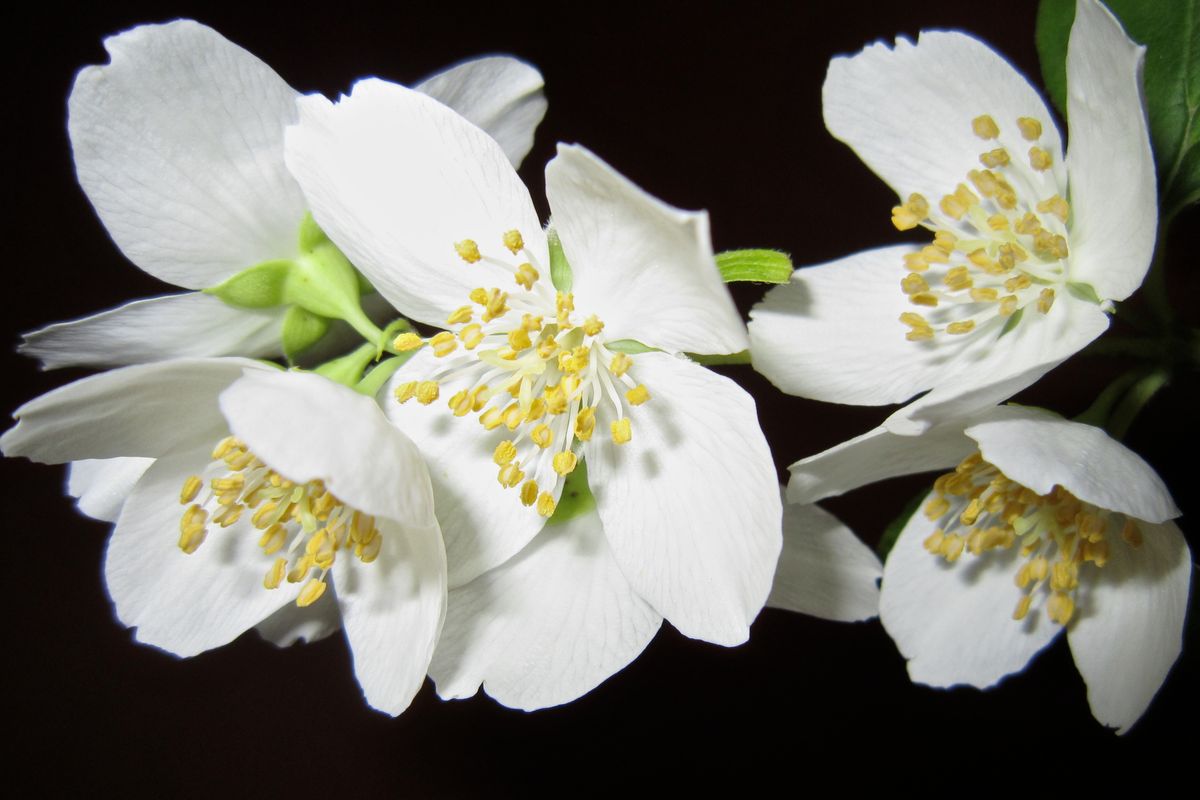
- Jasmine15,705 perfumes
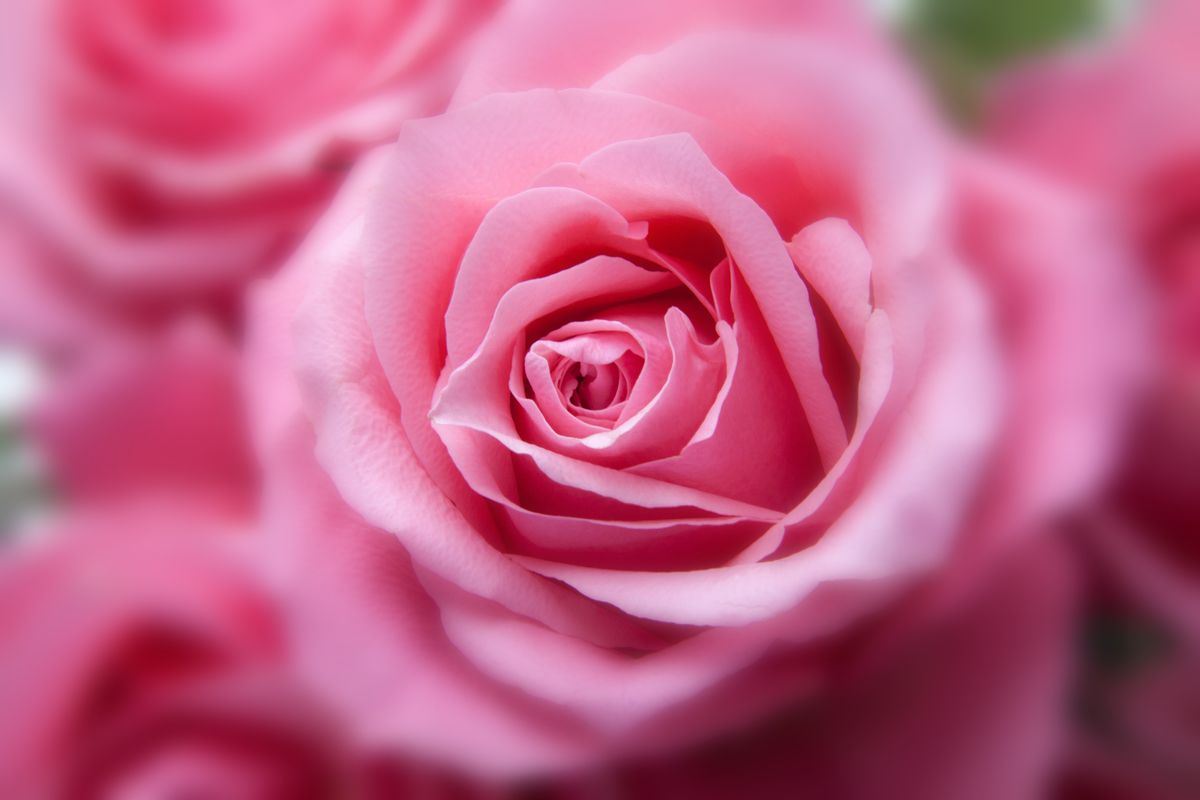
- Rose13,317 perfumes
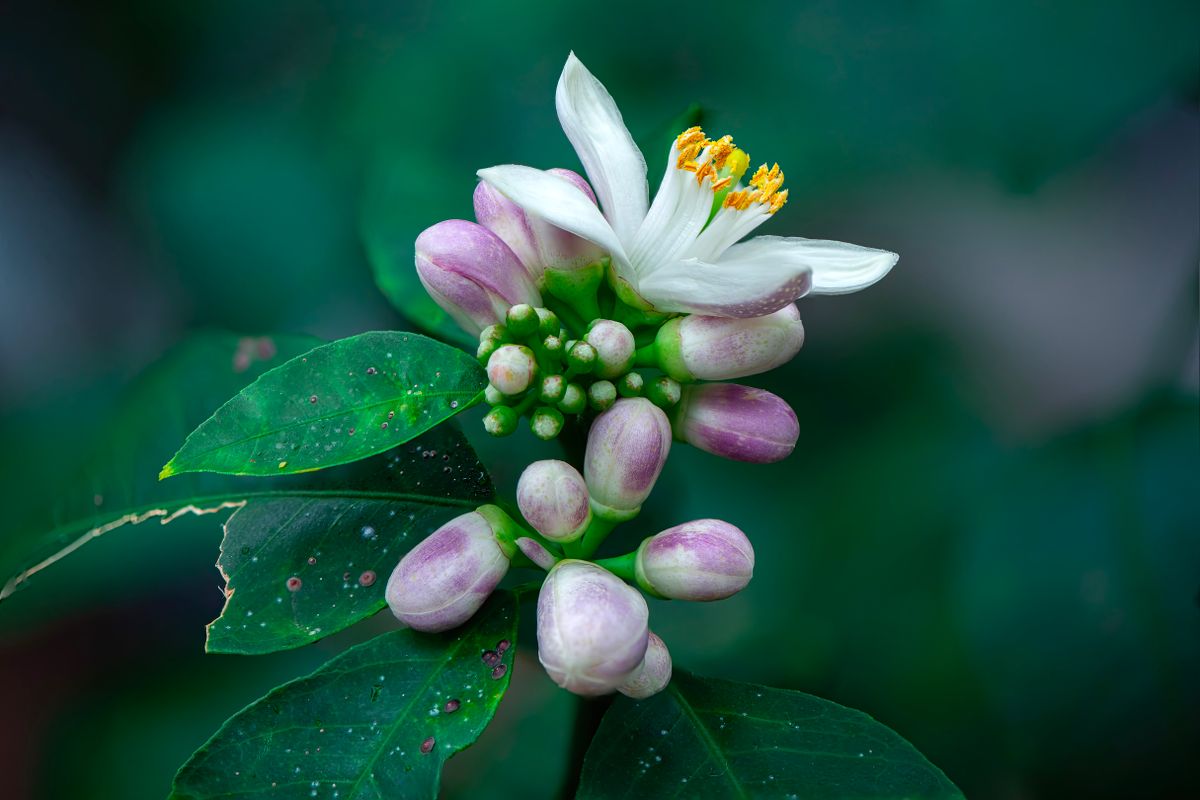
- Orange Blossom5,370 perfumes
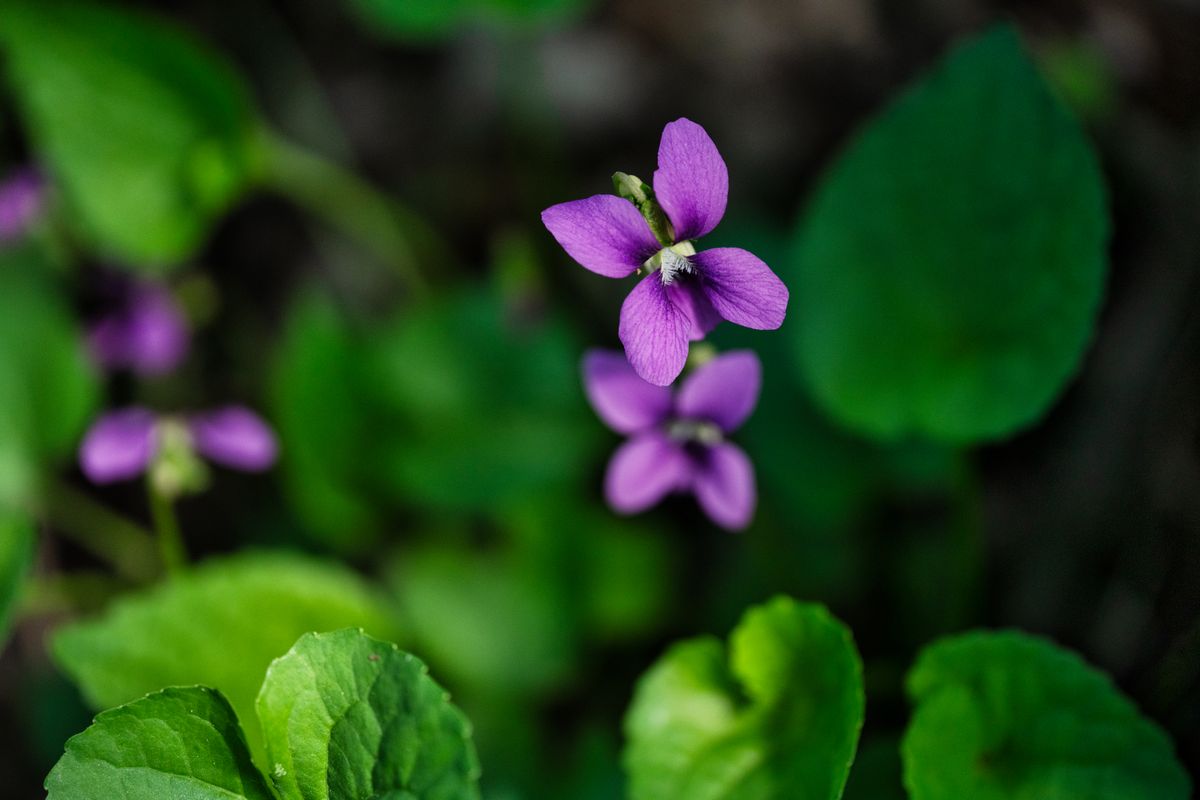
- violet4,581 perfumes
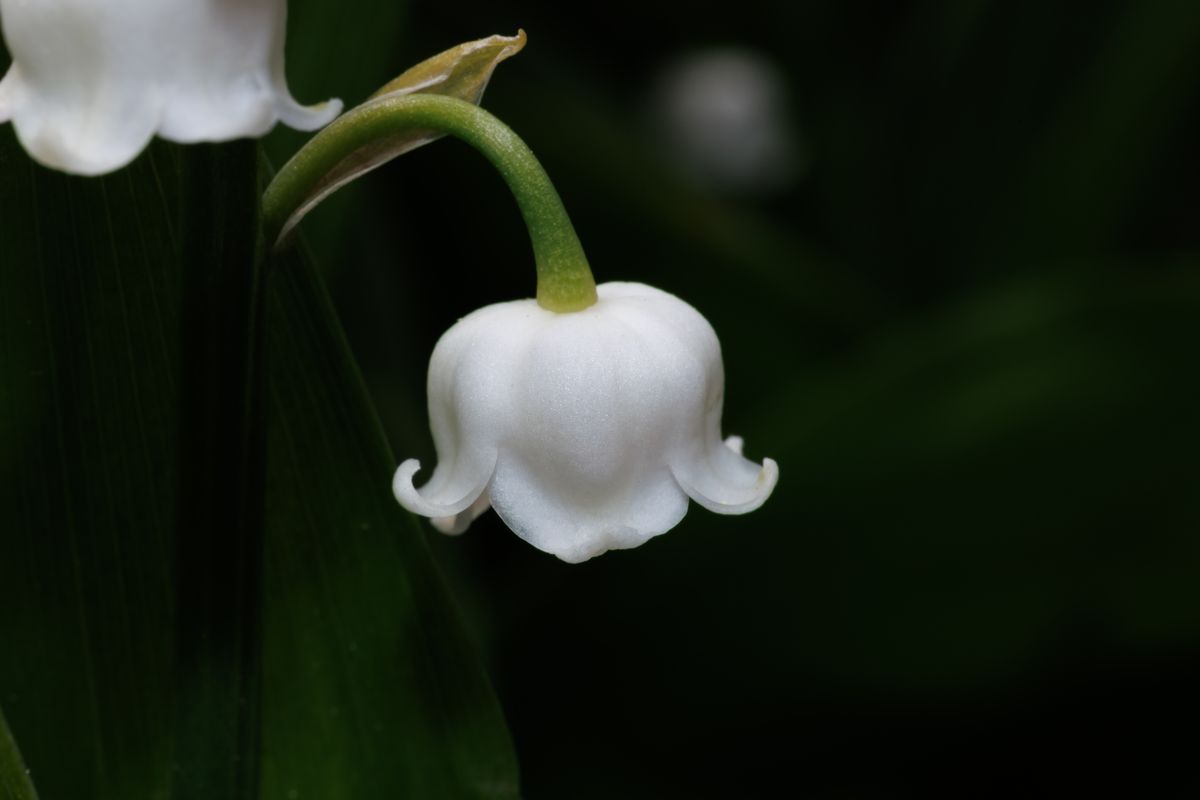
- Lily-of-the-Valley4,575 perfumes
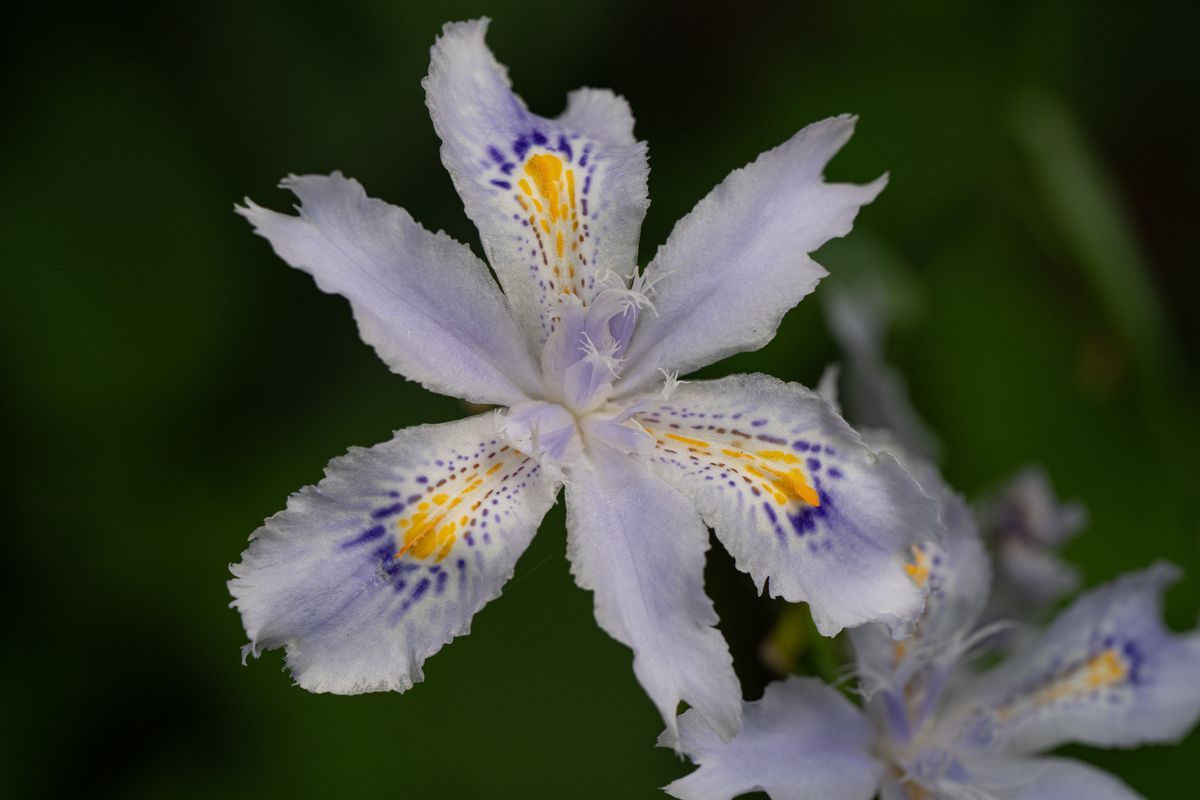
- iris4,514 perfumes
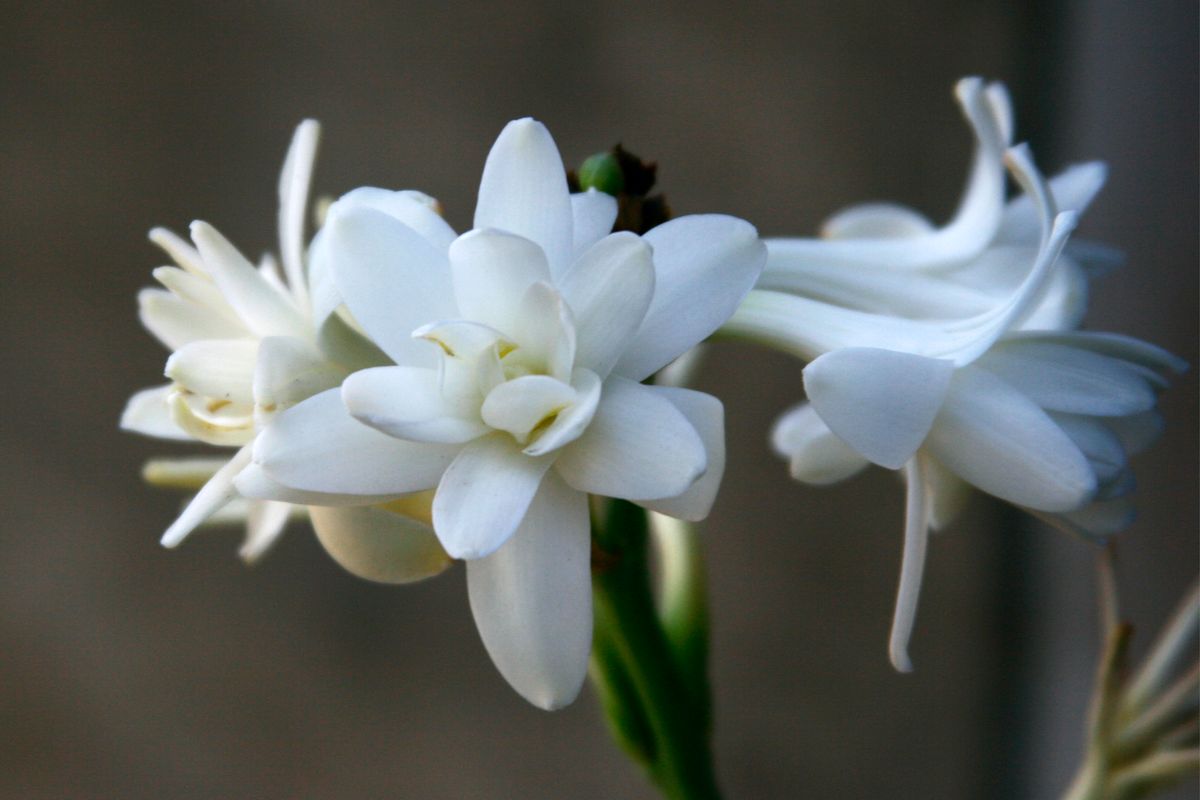
- tuberose2,856 perfumes
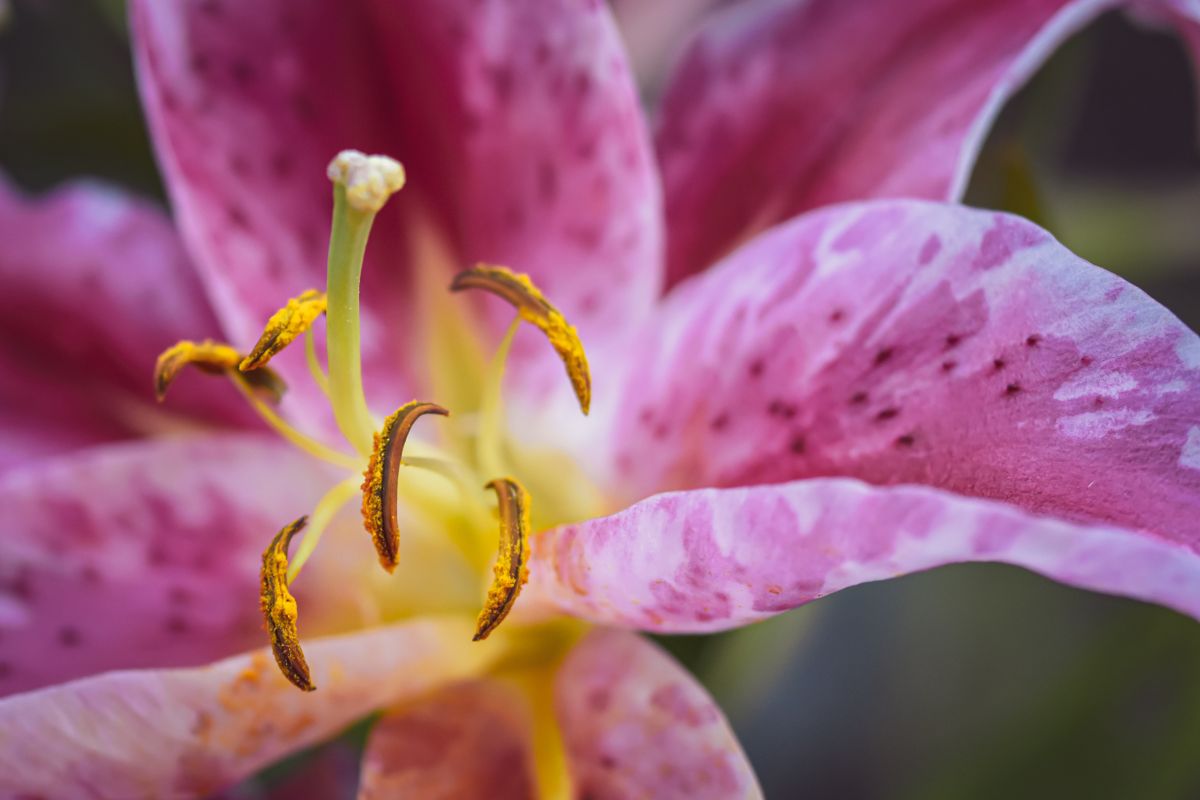
- Lily1,962 perfumes
The eight most used, of 167.
A family of roles, not resemblances
Flowers do not form an olfactory family because they smell alike. Jasmine absolute carries ripe fruit and an indolic shadow; rose can feel cool and metallic; tuberose has the density of cream and warm skin. Violet is different again, often powdery because perfumery reaches it through ionones rather than a usable violet-flower extract. What joins these materials is their role. A floral note gives the composition a subject that the rest of the formula frames, enlarges, or deliberately disturbs.
That role explains why a note pyramid reveals less than it appears to. Rose over patchouli becomes darker and more wine-like, while rose over pale musk loses weight and approaches fabric. Jasmine sharpened with bergamot is airy at first; the same jasmine against labdanum exposes its animal warmth. The named flower remains intact on the label, but the perfume's argument is made by what surrounds it.
The heart is an arrangement
The conventional pyramid places flowers in the heart, which is useful shorthand rather than a law of evaporation. Bergamot can lift orange blossom into the opening. Sandalwood and musk keep traces of jasmine legible deep into the dry-down. The flower heard at either end is partly an acoustic illusion: volatile material announces it early, persistent material preserves its outline later.
Different floral materials also occupy space differently. Tuberose projects as a broad, creamy mass and can overwhelm a formula before it smells conventionally loud. Lily-of-the-valley accords work through radiance and clean air between other notes. Iris materials bring root, starch, wax, and cosmetic powder; their dryness can make a composition feel more architectural than blooming. A perfumer does not merely choose a flower, but chooses how much room that flower is allowed to claim.
Bouquets solve problems that a soliflore cannot hide. Rose supplies volume where lily-of-the-valley is translucent. Jasmine lends warmth to the cool line of iris. Green stems prevent a white-flower accord from collapsing into cream. The finest bouquets are not democratic: one flower leads, another corrects its proportions, and the rest disappear into the construction.
What this catalog actually calls floral
The catalog is emphatic about its center. Jasmine and rose stand far ahead of the rest of the family, and orange blossom follows at a marked distance. By the time the list reaches rosemary, the leading jasmine entry appears in nearly an order of magnitude more perfumes. This is evidence about composition, not gardening: modern perfumery repeatedly relies on a small floral vocabulary even while marketing celebrates rarity.
The hierarchy also exposes how catalog names divide one material into several records. Generic jasmine sits beside jasmine sambac. Rose appears again as Bulgarian rose, Turkish rose, and Damask rose, each far below the broad parent term. Those labels contain real distinctions of species, provenance, and extraction, but their separate counts also fragment the same cultural idea. A ranking of note names is therefore not a ranking of raw-material consumption.
Rosemary is the revealing anomaly. It ranks among the better-used entries even though its camphoraceous, herbal odor belongs more naturally to the aromatic family. Violet leaf creates a similar border problem: it smells green and watery rather than like violet flower, yet the catalog keeps both under floral. These placements show that the taxonomy records inherited labeling habits as much as odor. At the opposite end, named rose petals and blossom variants occur in isolated perfumes. Every floral entry is attached to at least one composition, but much of the long tail functions as precise storytelling rather than a recurring perfumer's tool.
Extraction changes the meaning of a name
Some flower names point toward a material obtained from the plant. Solvent extraction gives jasmine and tuberose absolutes with dense facets that fresh petals release only at close range. Rose can yield an absolute or a distilled oil, and those products do not present the flower in the same way. The absolute is broad and honeyed; the distilled material is brighter, more diffusive, and shaped by the molecules that survive steam.
Other names point toward reconstruction. Lily-of-the-valley does not provide a practical natural extract, so its perfume identity is assembled from molecules selected for watery freshness, green lift, and floral radiance. Violet flower follows a similar route through ionones. Lilac and many delicate blossoms reach a formula as accords, not bottled flowers. Calling those notes artificial misses the craft: extraction is also selective, and no bottle contains the complete smell of a living bloom.
This distinction matters most when realism becomes the wrong standard. A jasmine absolute that reproduced only the pleasant surface of the flower would omit the indolic depth that gives jasmine scale. A successful lily-of-the-valley accord has no natural extract to imitate molecule for molecule. It succeeds by reproducing the recognizable effect of a cool bell-shaped flower in shaded air.
Reading the flower through its edges
Floral character becomes clearer at the boundary where the flower stops. Jasmine separates from tuberose through texture: jasmine opens with radiance and fruit before its animal depth appears, whereas tuberose presses forward as waxy flesh. Rose separates from violet through line: rose has petal volume and a lemony-metallic edge; violet is flatter, cooler, and more powder-like. Orange blossom carries citrus ancestry but develops a white-floral warmth that peel oil never possesses.
The old division between soliflore and bouquet remains useful because it identifies two different acts of composition. A soliflore edits one flower until the result reads as complete. A bouquet manages disagreement between flowers and turns that friction into form. Neither is more natural. Both reveal the central truth of floral perfumery: the flower named on the page is a starting material, while the flower perceived on skin is an arrangement.