Note family
Fruity notes
Fruity notes are constructed impressions of flesh, skin, juice, and ripeness, shaped more by perfumery molecules than by bottled fruit.
In this catalog
Most used notes of the family
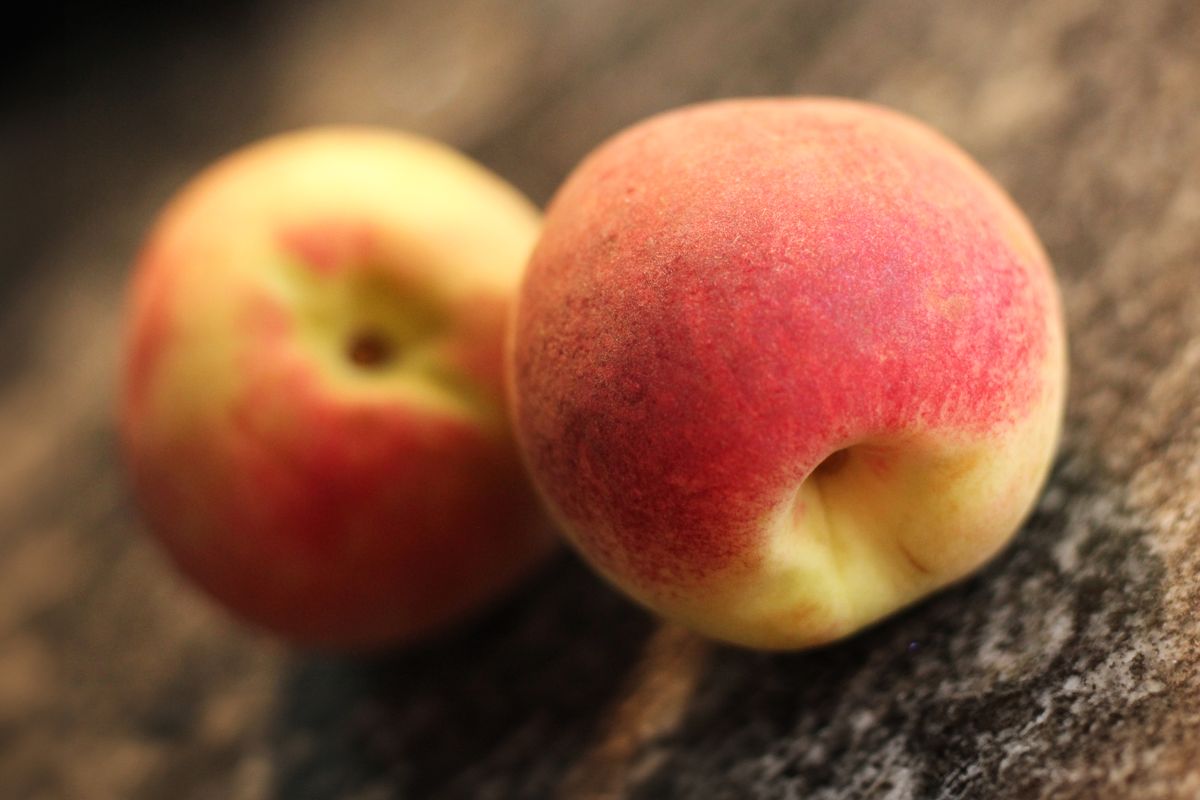
- Peach3,678 perfumes
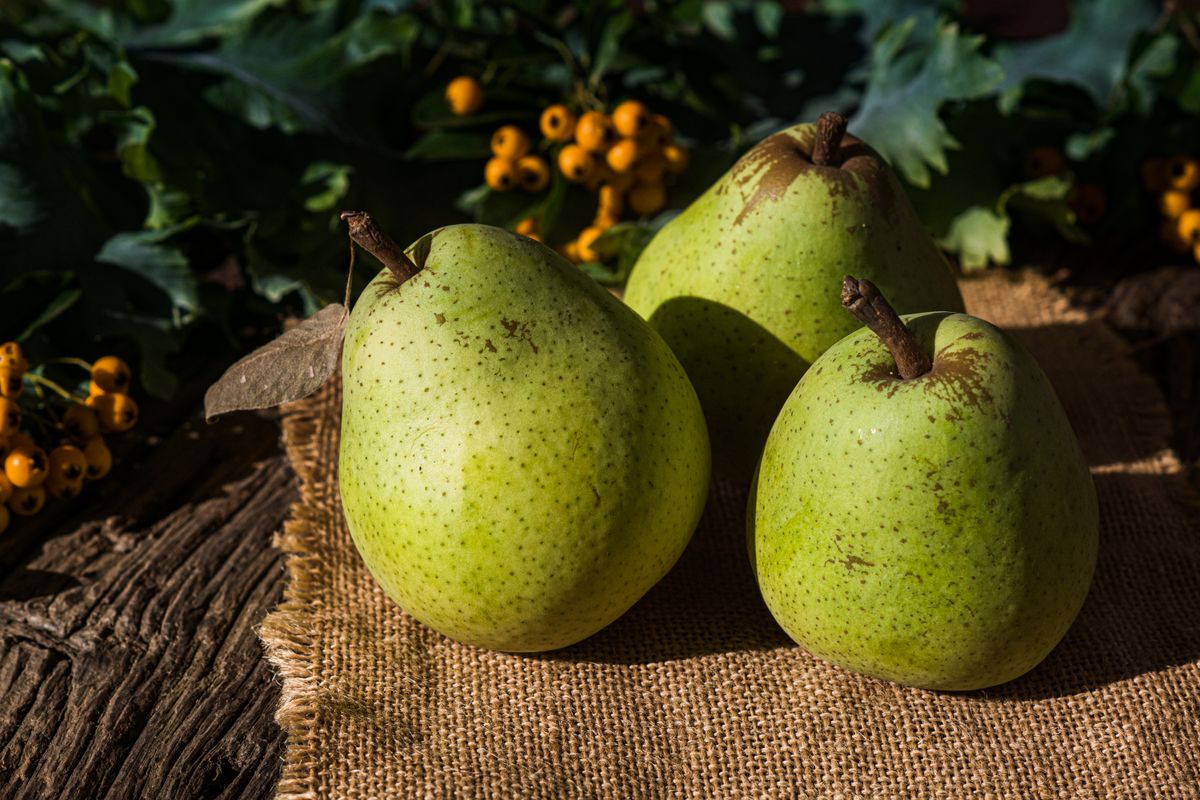
- pear2,719 perfumes
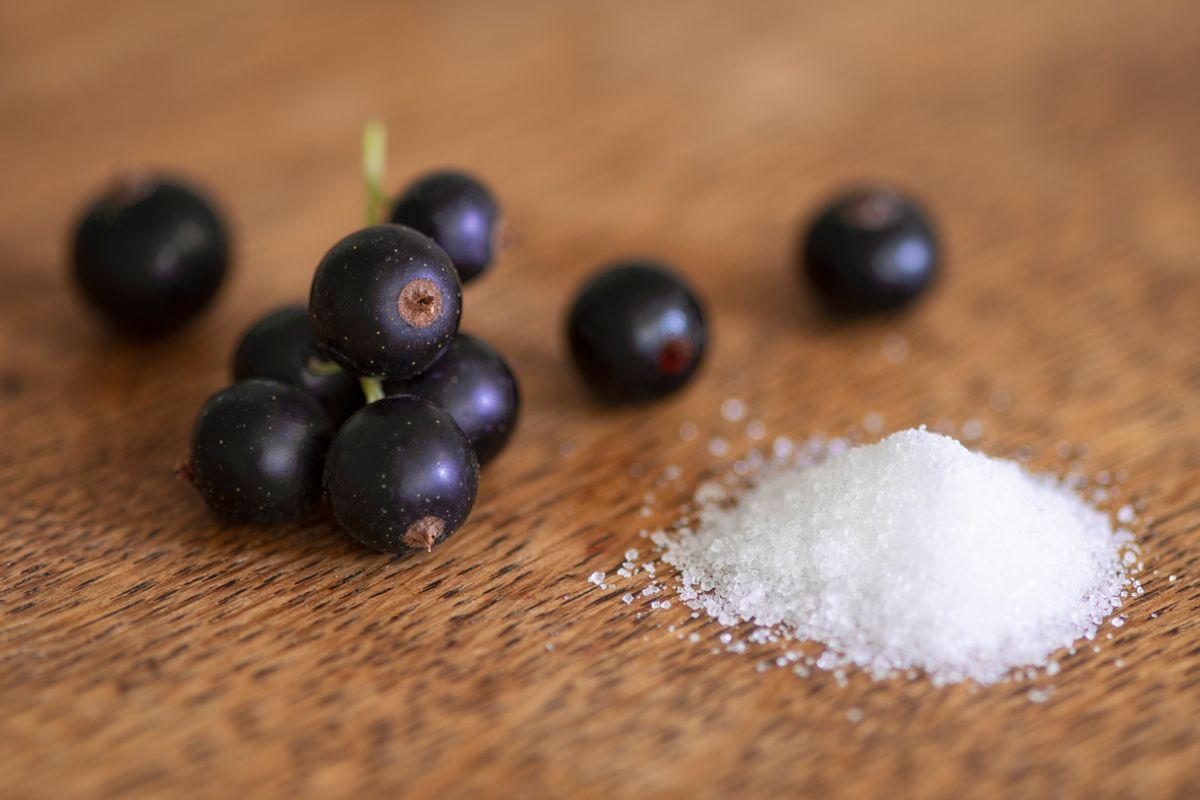
- Black Currant2,606 perfumes
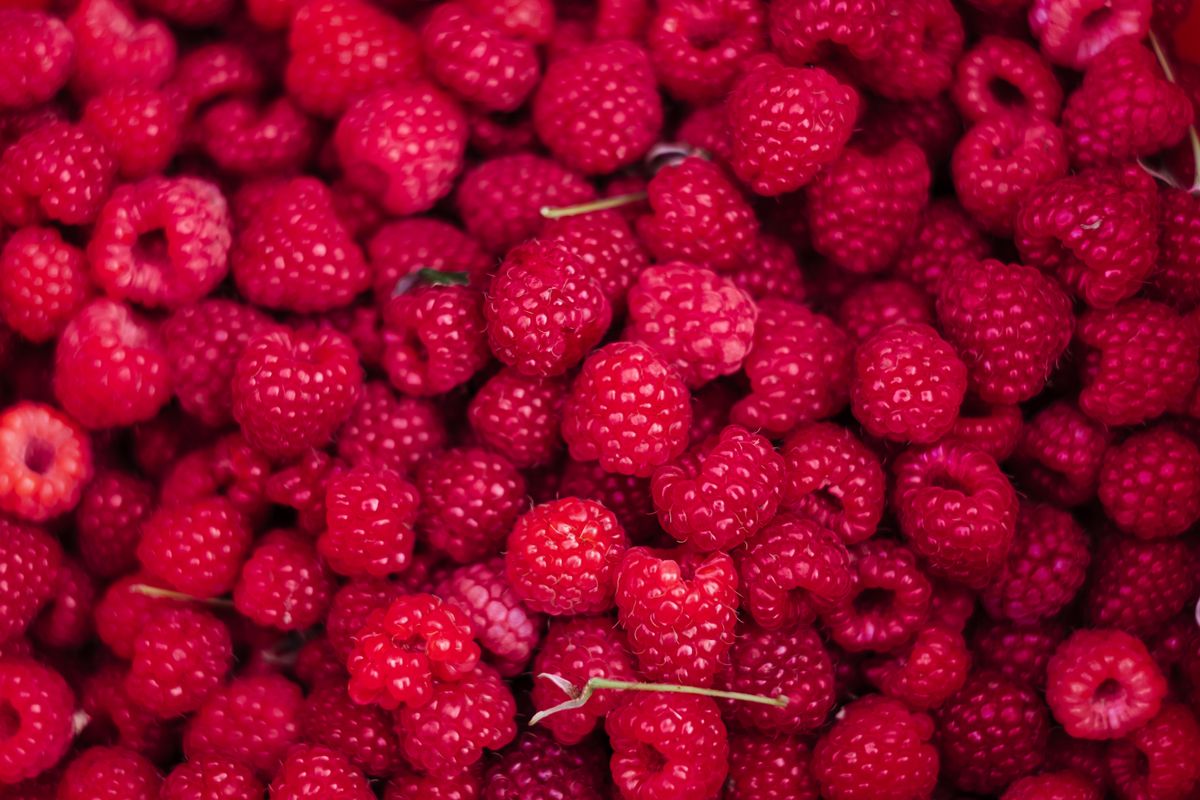
- Raspberry2,442 perfumes
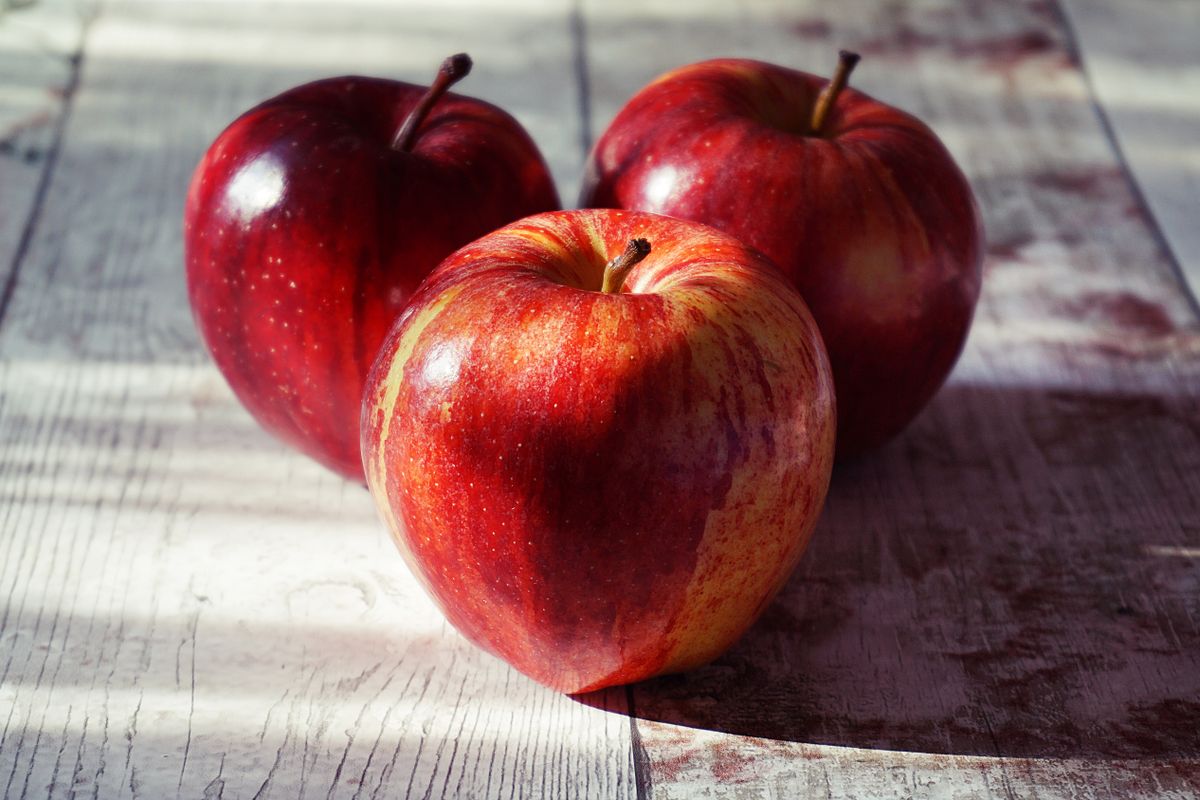
- Apple2,217 perfumes
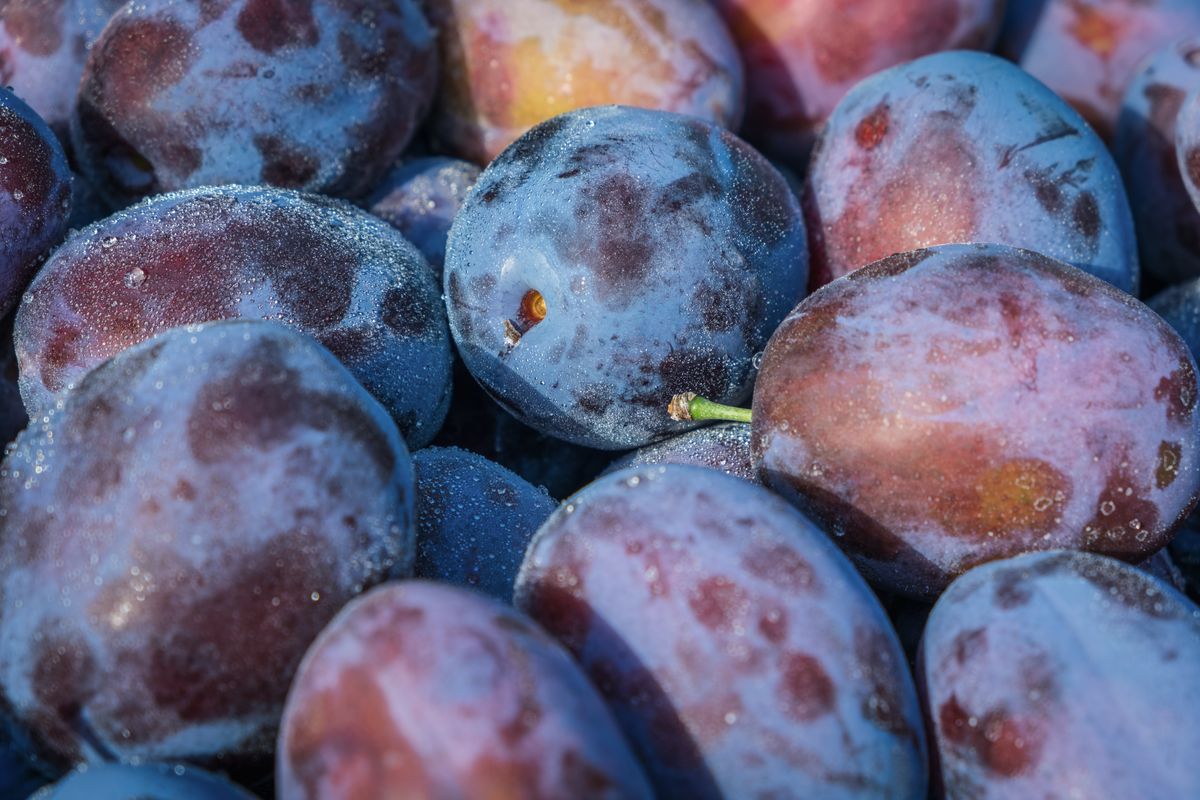
- Plum1,862 perfumes
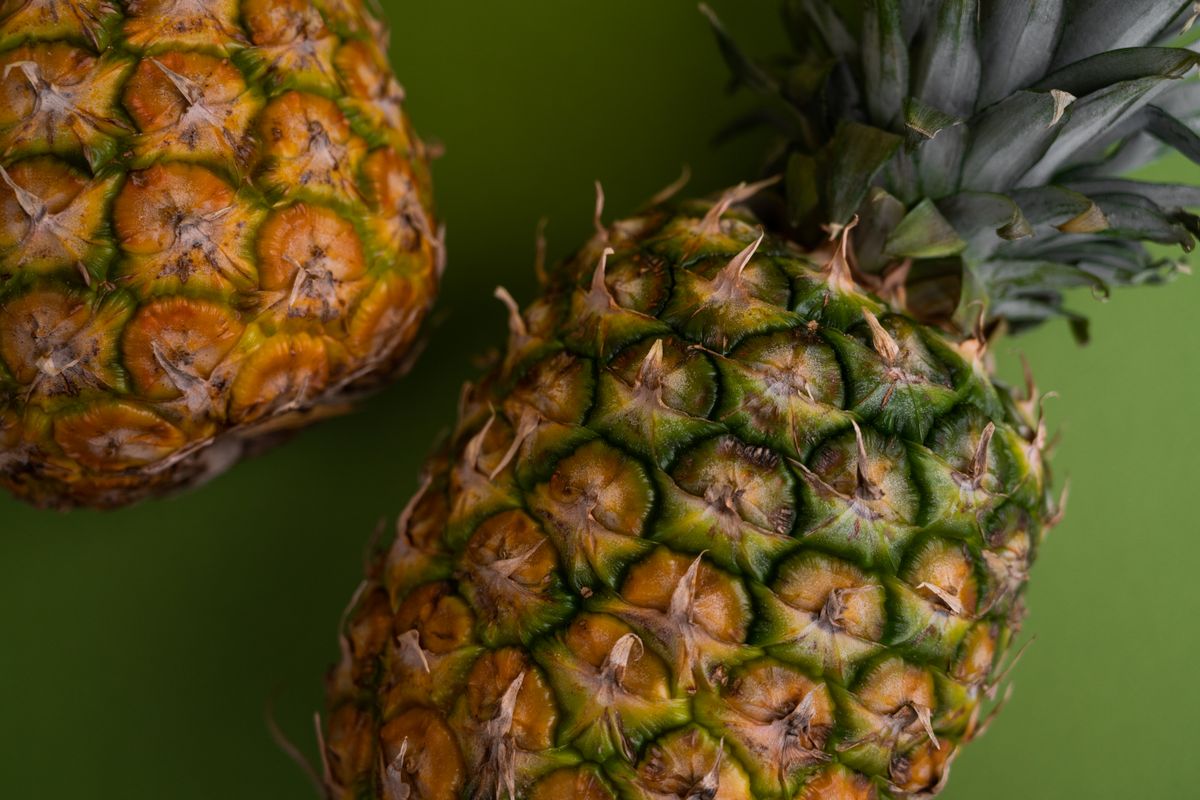
- Pineapple1,739 perfumes
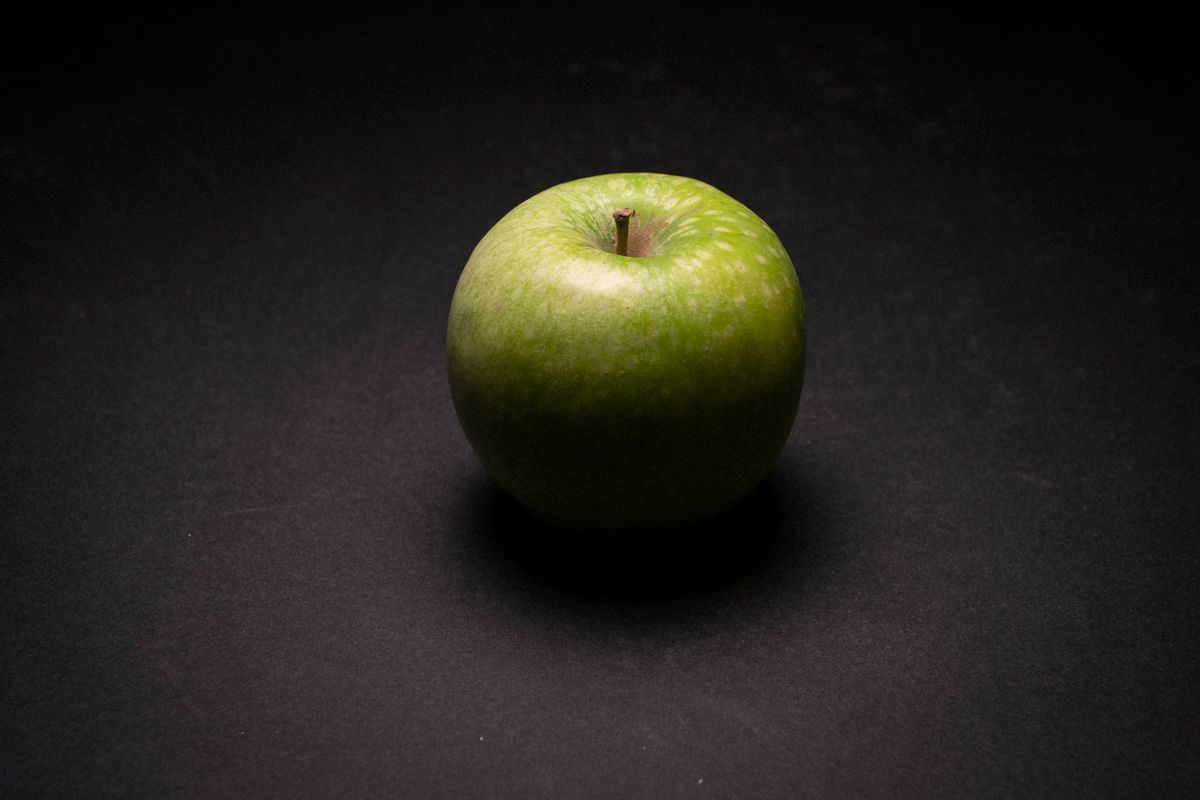
- Green Apple648 perfumes
The eight most used, of 103.
Fruit is usually an accord
Most fruit does not surrender a useful perfume oil. Steam flattens fresh flesh. Expression belongs mainly to citrus peel, while solvent extraction rarely preserves the bite of a cut apple or the watery grain of pear. Perfumery builds those effects instead. Esters provide lift, while lactones supply peach-like flesh. Black currant requires another register: sulfurous traces give it startling realism. The fruit named in a pyramid is therefore a finished accord more often than a harvested material.
That fact does not make the note vague. A successful reconstruction selects the few signals the nose treats as identity. Peach needs velvety lactonic volume. Pear needs a juicy, slightly green diffusion that seems to vanish at its edges. Apple is carried by crisp skin and a cool acidic association. Raspberry depends on the tension between bright berry and a darker preserve-like body. Remove the decisive signal and sweetness remains, but the fruit disappears.
Natural materials still enter the family at its borders. Black-currant bud absolute contributes a green, pungent facet that can make a cassis accord feel almost animal. Osmanthus can lend apricot-like leather. Fig leaf supplies sap and coconut-toned greenery rather than fig flesh. These materials do not solve fruit reconstruction; they make the reconstruction less literal and more useful inside a perfume.
Ripeness is a texture
The useful vocabulary for fruit begins with texture, not sugar. Pear is translucent and granular. Peach feels dense because lactones imitate soft flesh and skin fuzz. Apple has a hard surface that seems to crack. Plum carries dark, smooth pulp with little of apple's audible snap. Those differences survive even when every accord is equally sweet.
Ripeness changes the position of a fruity note in the formula. Green apple and tart currant cut into an opening because their acidic profile reinforces volatile materials. Peach and raspberry settle readily among flowers, where they thicken petals without turning the perfume into food. Plum can sink toward woods and balsams; once vanilla and amber-like materials surround it, the fruit reads as macerated rather than freshly split.
Persistence is supplied by the construction. A bright pear ester leaves early, but musk can retain its airy outline. Peach lactone behaves differently: it lasts longer and fuses with sandalwood or tuberose. After raspberry's sparkling top has gone, patchouli can hold a dark berry stain. The later effect is not the original fruit surviving intact. It is the base preserving selected features after the volatile parts have spent themselves.
A compact core, then a cliff
The catalog's leading fruity notes form a much tighter group than the floral or citrus leaders. Peach comes first, but pear remains close, followed by black currant and raspberry at almost the same level. Apple is not far behind. This is a working palette rather than a monopoly: perfumers repeatedly choose among several familiar textures instead of using one default fruit as the universal opening.
Black currant is the revealing result. It outranks apple despite being less universally eaten and less visually dominant in fragrance marketing. Its position reflects utility. Cassis sharpens flowers and can dirty a polished accord. Under rose, it supplies a dark green underside. Its sulfurous, bud-like pungency performs more structural work than a simple berry flavor would.
The distribution changes abruptly after pineapple. Blackberry begins a second tier at well under half pineapple's reach, and fig and mango follow at almost the same level. That cliff separates the catalog's recurring fruit vocabulary from a long field of accents. The tail is not empty: every fruity entry belongs to at least one perfume. It serves specific stories and occasional novelty rather than acting as shared compositional grammar.
Names split what the nose joins
Apple appears both as a generic note and as red apple and green apple. Mango reappears with a named origin. Strawberry branches into a particular cultivar and a syrup version; fig divides into fruit and leaf, with a honeyed interpretation added separately. These records preserve useful creative claims, but they also make the taxonomy look more diverse than the underlying palette. A formula disclosed only as apple absorbs variety that another brand publishes as green apple.
Fig leaf demonstrates why botanical kinship cannot decide family boundaries. Its odor opens leafy and milky, then dries into wood around a coconut-like facet; little in it resembles ripe fig pulp. The catalog keeps it beside fruit because consumers understand the whole fig-tree image as one theme. The choice is commercially legible and olfactorily coarse.
A trademarked pear specialty appears at the far end beside literal fruits and culinary variants. That entry exposes another layer of note pyramids: some names identify a fruit, while others identify a proprietary material designed to deliver that fruit effect. Catalog search treats both as equivalent note records. Editorial reading should not. One describes the smell promised to the wearer; the other points toward the tool that helped construct it.
Fresh fruit and the perfume image
A cut fruit contains water, acids, sugars, plant tissue, and volatile odor in a changing physical object. Perfume cannot carry that object. It creates an image with a few materials and relies on memory to supply the missing weight and temperature. This is why an accord can smell unmistakably of pear while sharing almost no complete chemical profile with pear flesh.
The gap between object and image becomes most visible in cooked fruit. Vanilla turns peach toward cream. Plum reacts more strongly to balsamic material and begins to feel steeped and dark, whereas caramel converts apple into a culinary scene almost at once. A green stem or bitter bud pulls the same fruit back toward the plant. The fruit note has not changed its label, yet its state of ripeness has been rewritten by the formula.
Fruity perfumery is strongest when it accepts that artifice. Photographic imitation often produces a flat flavoring effect because it presents recognition without structure. The better accord identifies the fruit's decisive facet and gives it a precise texture. The rest of the composition is then free to challenge that image. Peach can merge with the language of skin; cassis often supplies shadow. Pear does something quieter and dissolves into air. Those are perfumery decisions, not substitutes for the real fruit.