Note family
Gourmand notes
Gourmand notes make odor feel edible, using vanilla and tonka as structure while accords of honey, caramel, coffee, or cacao define appetite.
In this catalog
Most used notes of the family
- Vanilla12,694 perfumes
- Tonka Bean6,254 perfumes
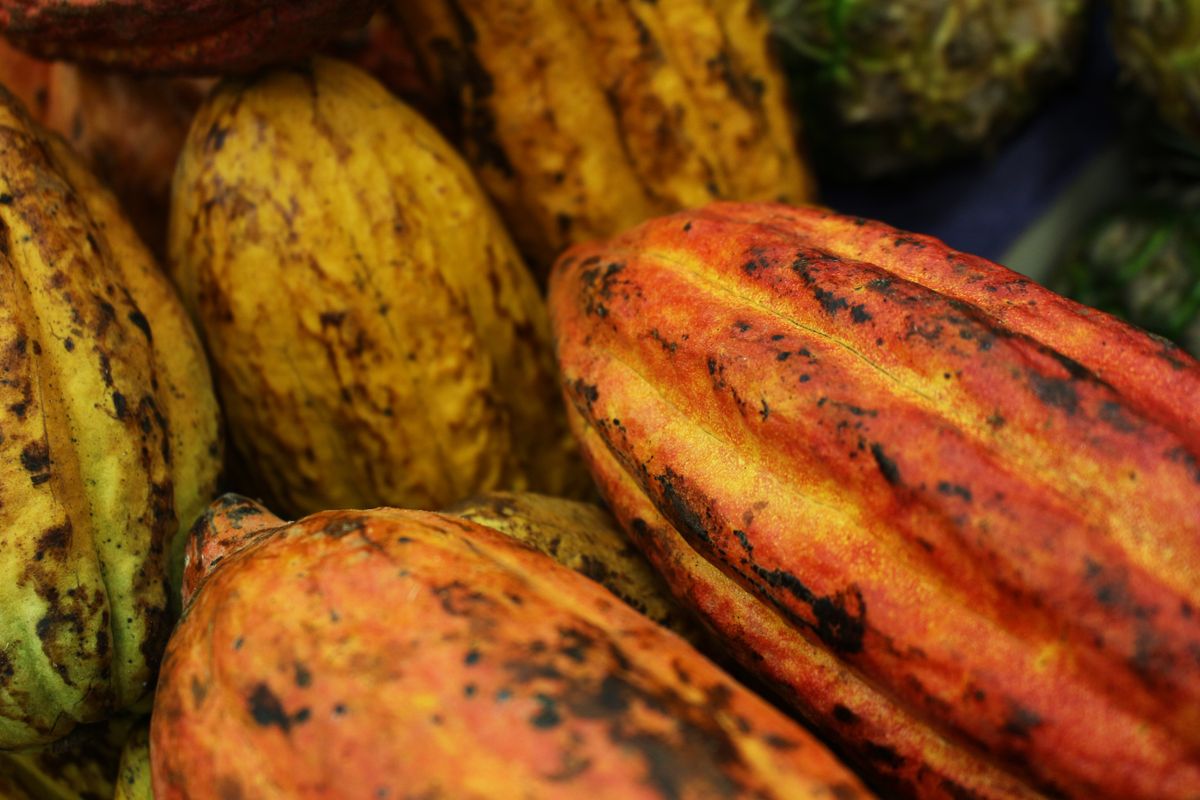
- Honey1,342 perfumes
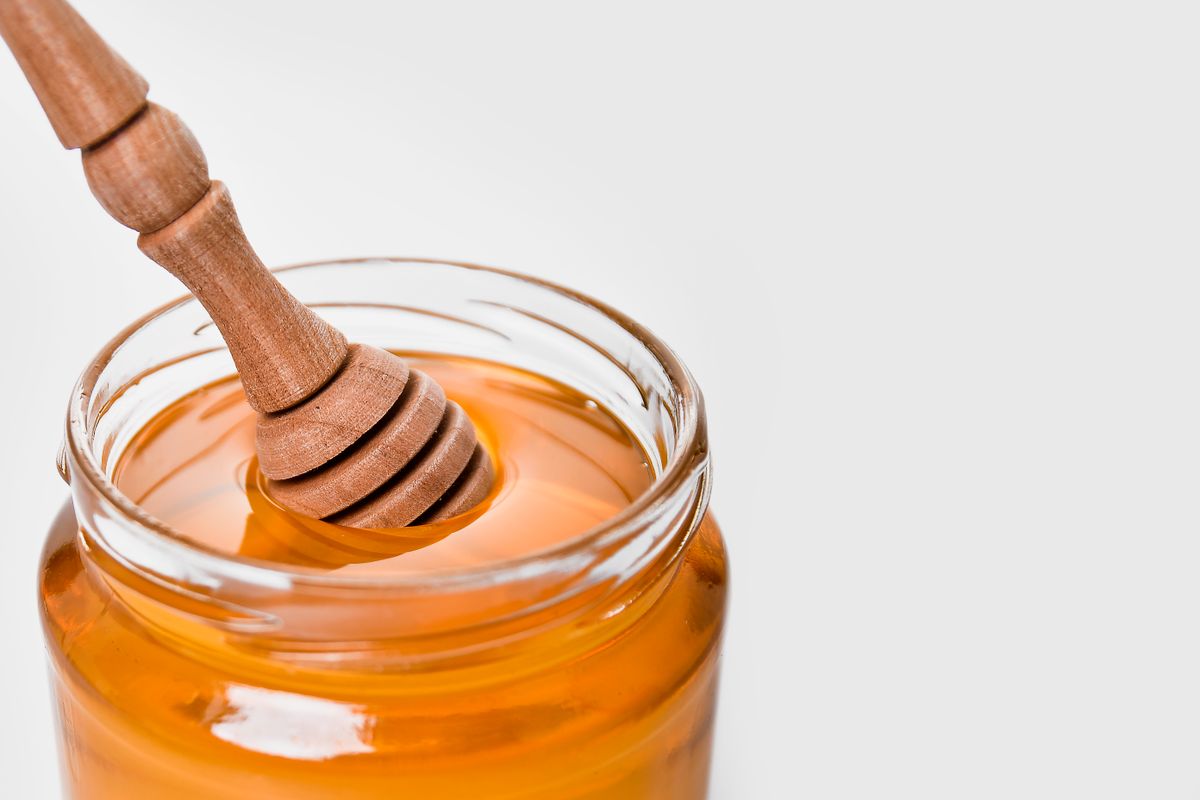
- Caramel1,243 perfumes
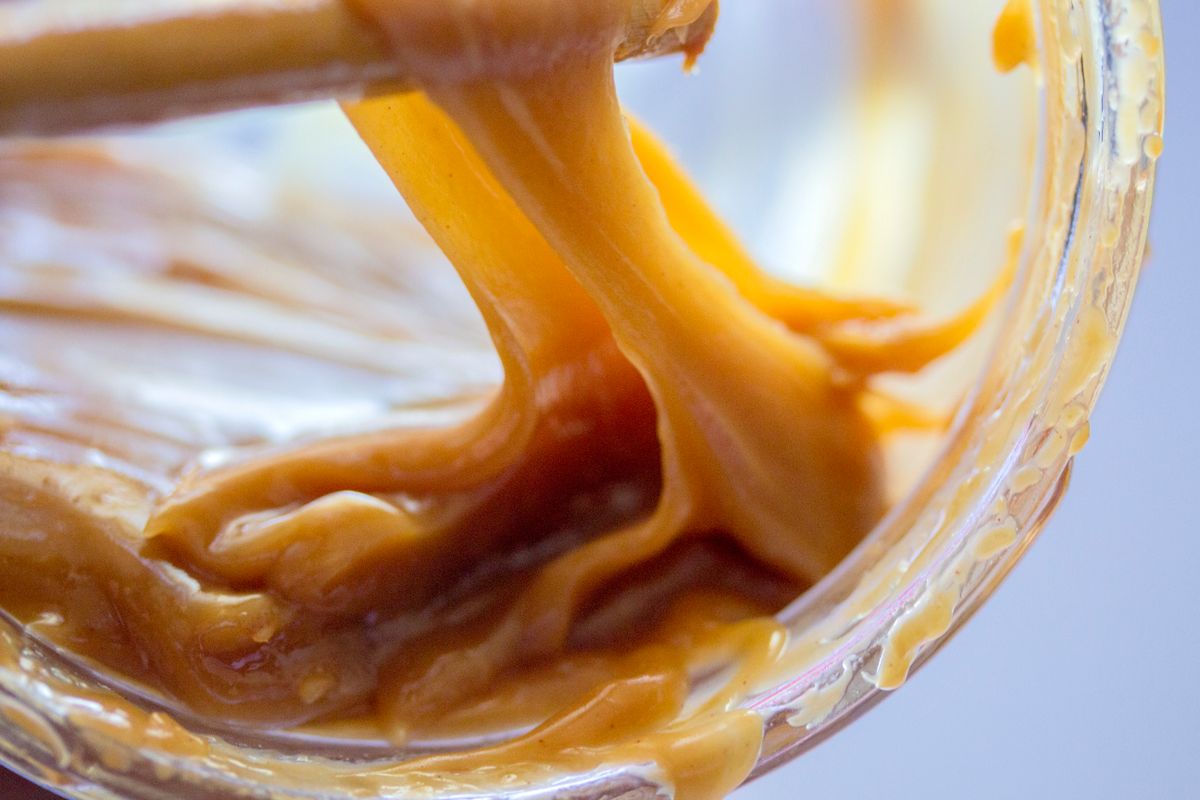
- Praline880 perfumes
- Honeysuckle792 perfumes
- Coffee698 perfumes

- cacao525 perfumes
The eight most used, of 39.
Edibility is an interpretation
A gourmand perfume contains no sugar. Sweetness is an interpretation produced when odor recalls food and the formula removes signals that would contradict eating. Vanillin evokes baked custard because memory supplies taste and texture. Coumarin from tonka can recall almond pastry, yet the same material over tobacco becomes dry hay. The molecule has not changed. The scene around it has.
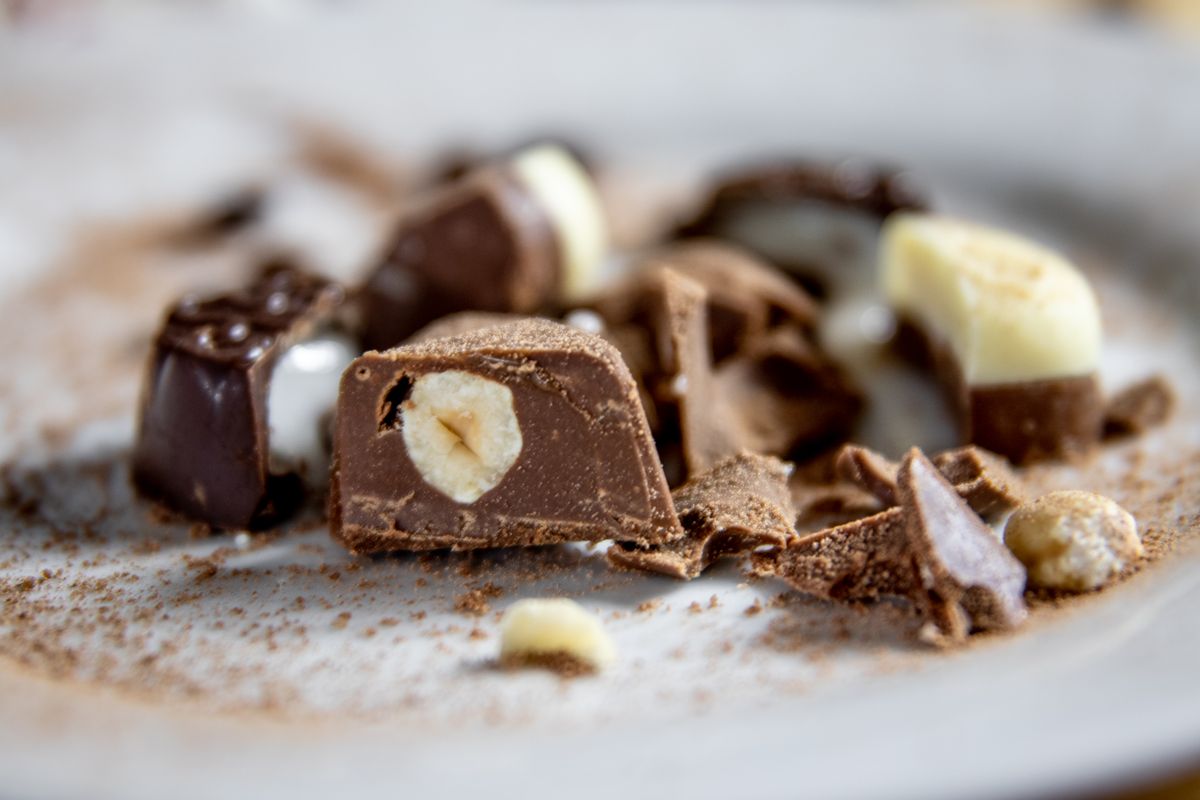
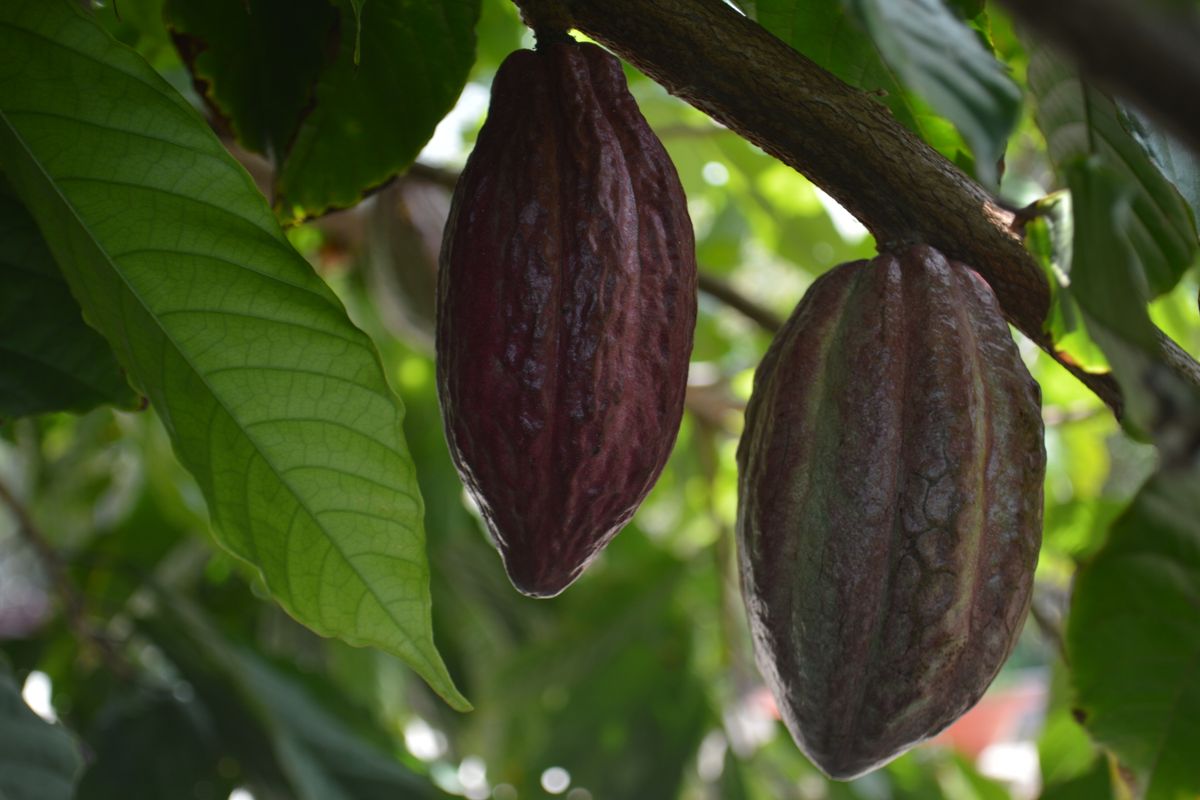
This makes gourmand a family of presentation rather than source. Coffee and cacao bring bitterness, while caramel is defined by cooked sugar association. Honey can smell waxy and animal, far from simple sweetness. Praline points toward a finished confection assembled as an accord. These notes belong together because the perfume frames them as appetite.
The distinction matters whenever a sweet base is called gourmand automatically. Benzoin can be balsamic without becoming edible. Musk can be creamy without implying dairy. A formula crosses into gourmand when recognizable food cues become its subject rather than a supporting texture.
Vanilla is infrastructure
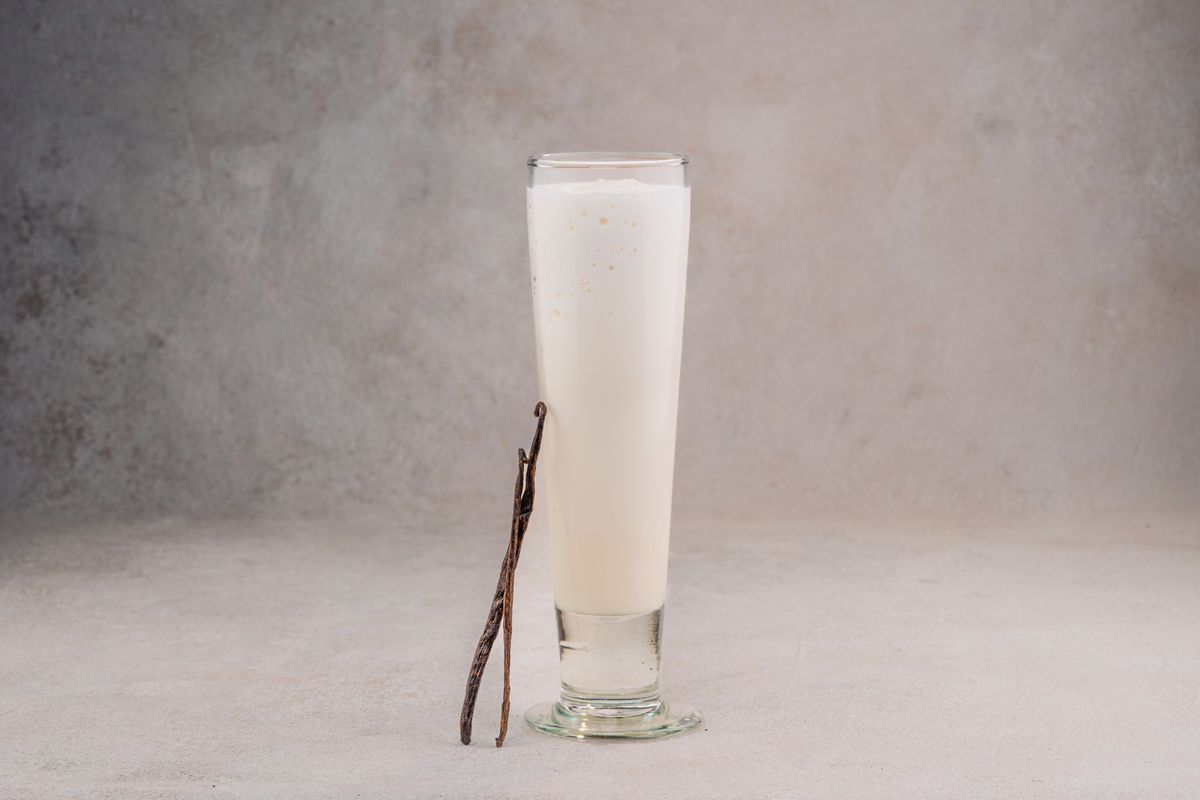
Vanilla persists because its principal odorants sit comfortably in the base and bind to balsams or woods. Natural vanilla material contains more than vanillin, with darker pod facets and a soft phenolic depth. A vanillin-led accord is cleaner and easier to steer. Neither is inherently superior; they answer different formulas.
Tonka performs a related job with less cream. Coumarin gives it hay-like dryness and an almond association, then tobacco or wood can pull that sweetness away from dessert. Used together, vanilla and tonka form a durable surface on which fruit becomes jam-like and coffee gains a sugared body. Used apart, they reveal how broad the category actually is.
The base controls density. Cedar can cut a caramel accord and leave a burnt edge. Musk moves vanilla toward warm skin, while labdanum gives it resinous shadow. A bright opening does not lighten a gourmand by itself; the decisive question is what remains after the citrus has gone.
A steep drop after tonka
Essentia's catalog is built around vanilla. It appears in more than twice as many perfumes as tonka bean, and tonka itself stands far above the rest. Usage then falls sharply to honey and caramel. By the time the list reaches the named vanilla origins, the generic leader is ahead by several dozen times.
That shape shows a genre relying on base architecture before flavor. Vanilla and tonka make the perfume readable as edible across many styles. Honey or caramel gives the composition a more specific appetite, while praline narrows it further toward confectionery. Coffee and cacao introduce roast and bitterness but appear in fewer formulas because they announce a stronger theme.
The leading word also absorbs hidden variety. A note pyramid that says Vanilla can represent extract or vanillin. A proprietary reconstruction can hide behind the same word. Madagascar Vanilla and Bourbon Vanilla are recorded separately only when a brand publishes that precision. The dominance of the generic note is therefore real as disclosure and incomplete as material accounting.
Honeysuckle exposes a leak
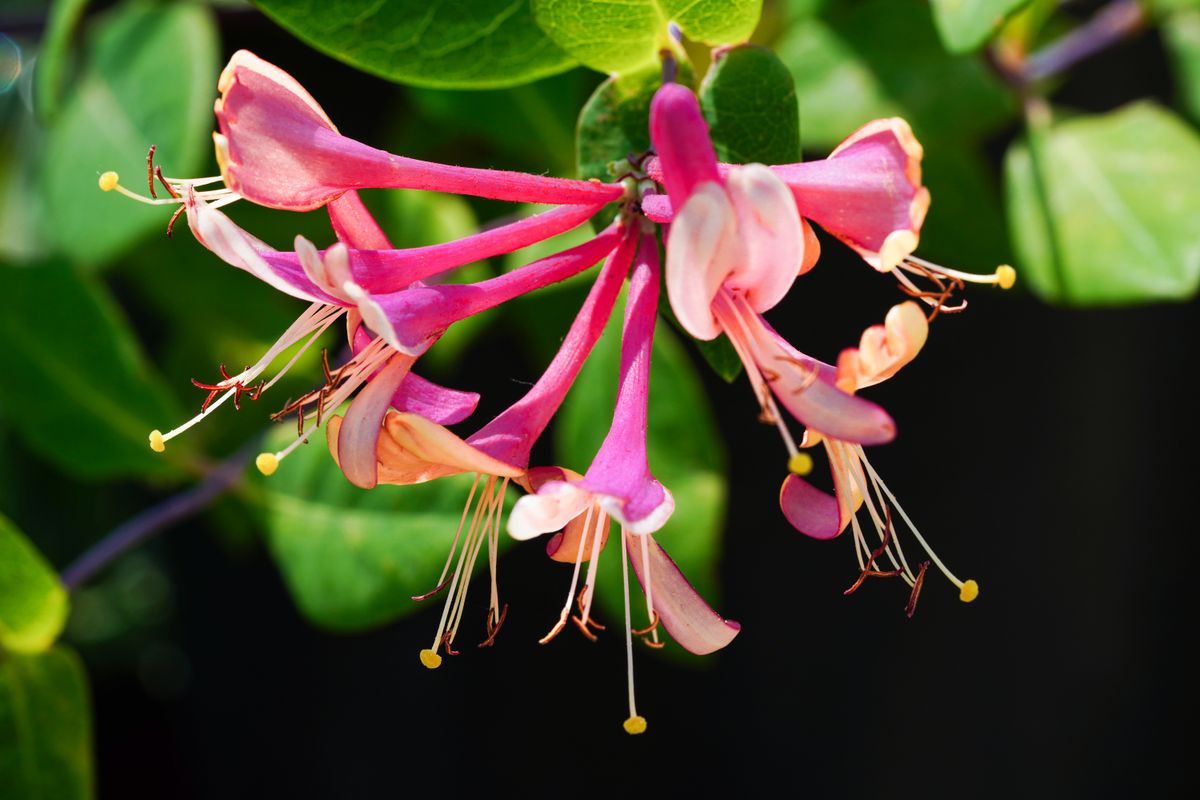
Honeysuckle sits above coffee and cacao in the gourmand ranking. Its position is hard to defend olfactorily. Honeysuckle is a flower whose nectar-like name contains the word honey; it is not a honey material and does not define an edible accord. White Honeysuckle also appears at the tail, reinforcing the same misplaced branch.
The likely explanation is lexical classification inherited from source data rather than perfumery practice. Honey itself belongs here because waxy sweetness and animal warmth can anchor an edible composition. Honeysuckle belongs with florals. Leaving the anomaly visible is more honest than writing around it as if the category were coherent.
Vanilla Orchid presents a subtler border. The flower and the cured vanilla pod do not offer the same smell, but the published note can intentionally merge floral imagery with vanilla sweetness. Unlike honeysuckle, that ambiguity is part of the perfume concept. Catalog cleanup needs semantic judgment; string matching cannot make the distinction.
Preparation names promise realism
Coffee branches into generic Coffee, a carbon-dioxide extract, tincture, tree, and named bean preparations. Those labels imply different levels of material specificity. A carbon-dioxide extract can be a real perfumery material with roasted complexity. Turkish coffee beans or kopi luwak coffee can instead be narrative descriptions of an accord. The pyramid alone does not prove which was used.
Vanilla fragments even more heavily through origins and forms. Vanilla absolute identifies a preparation; Vanilla Caviar evokes the seeds inside the pod. Vanilla Leaves and a named species widen the image beyond the standard extract. Tonka appears again in lowercase as a smaller duplicate. The tail records both legitimate nuance and preventable normalization noise.
Every gourmand entry currently appears in at least one perfume, including the isolated coffee and vanilla variants. The core tells how gourmand formulas are built. The tail shows brands selling authenticity through preparation or origin. Rarity adds another promise. Those are different forms of evidence, and a useful catalog keeps them separate instead of treating a picturesque label as proof of a rare ingredient.