Note family
Green notes
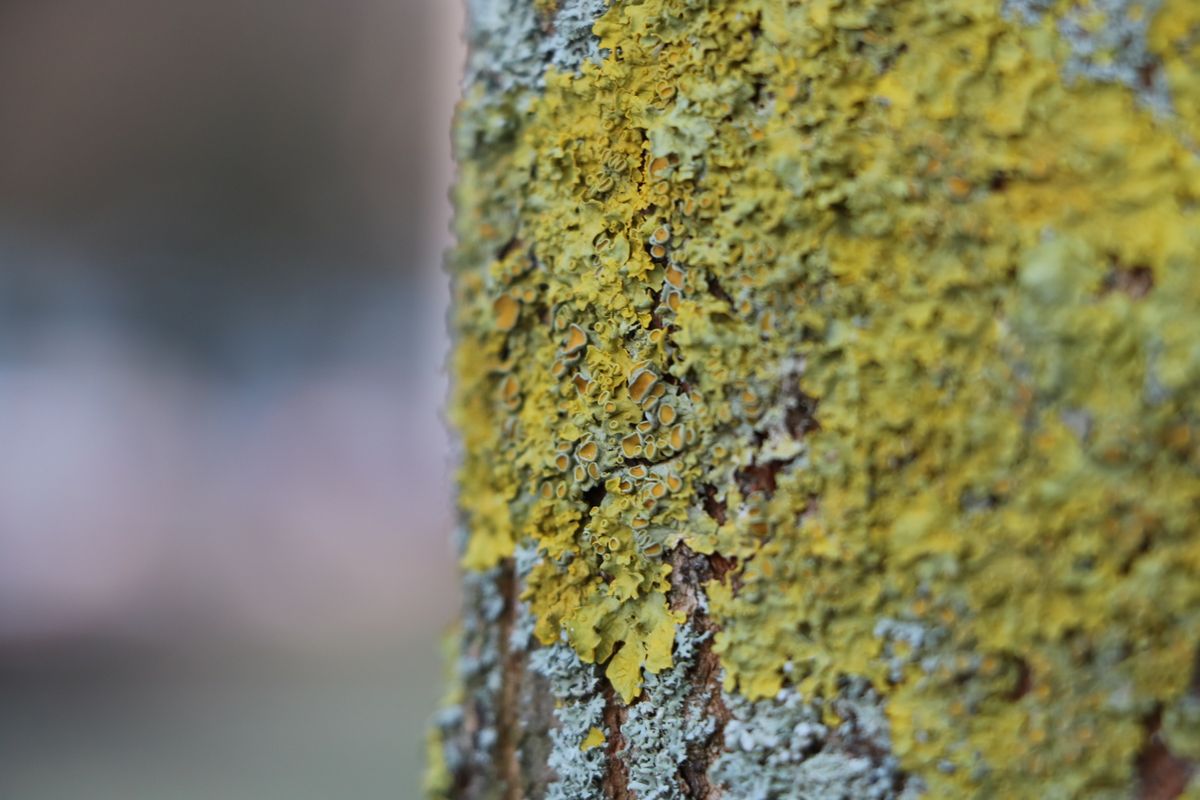
Green notes begin with damaged leaves and cut stems, then extend through tea accords to the persistent mossy darkness of oakmoss.
In this catalog
Most used notes of the family
- Oakmoss3,797 perfumes
- Green Notes2,459 perfumes

- Tea916 perfumes
- Green Leaves566 perfumes

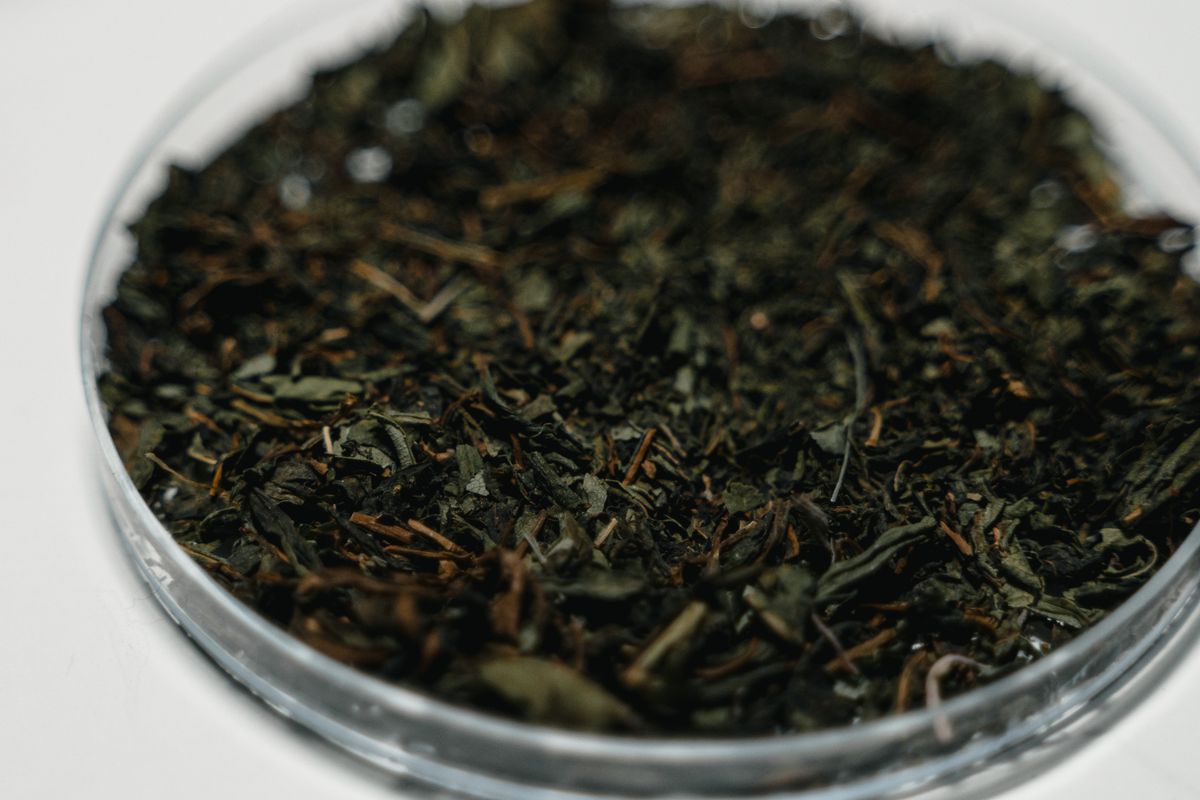
- Green Tea483 perfumes
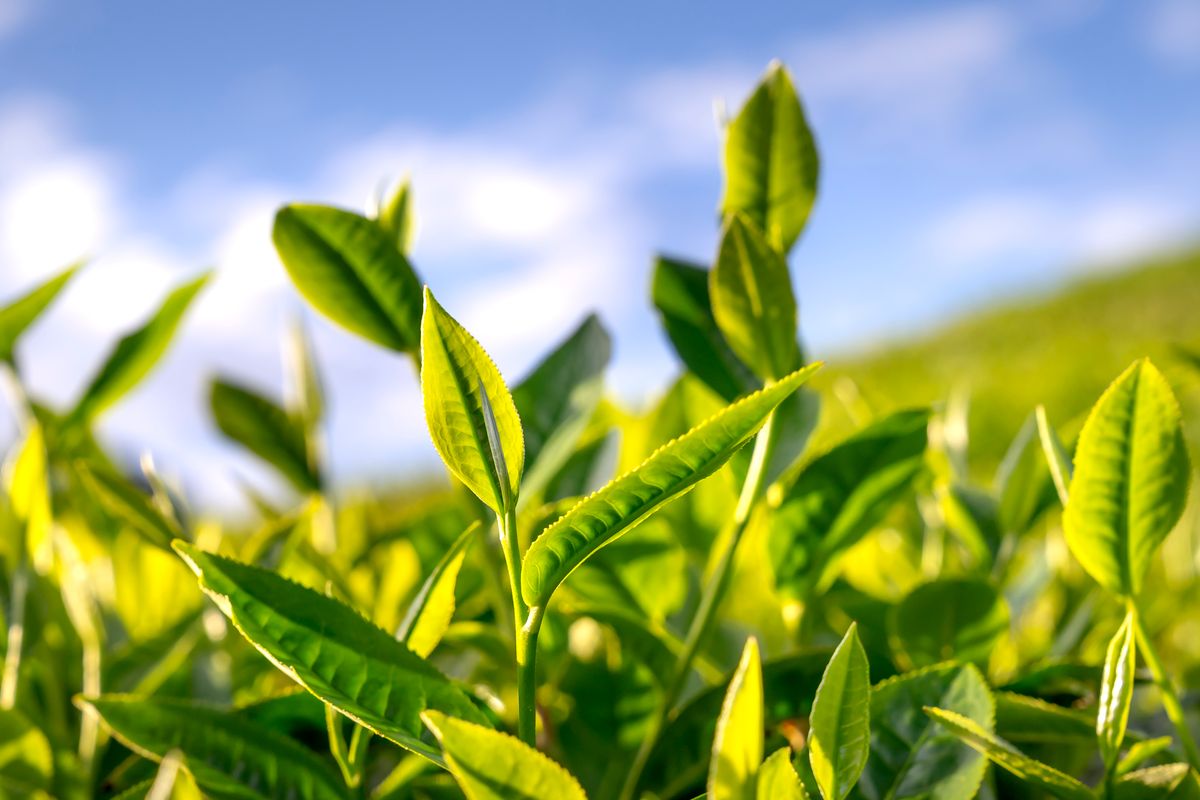
- grass384 perfumes

- Herbal Notes310 perfumes
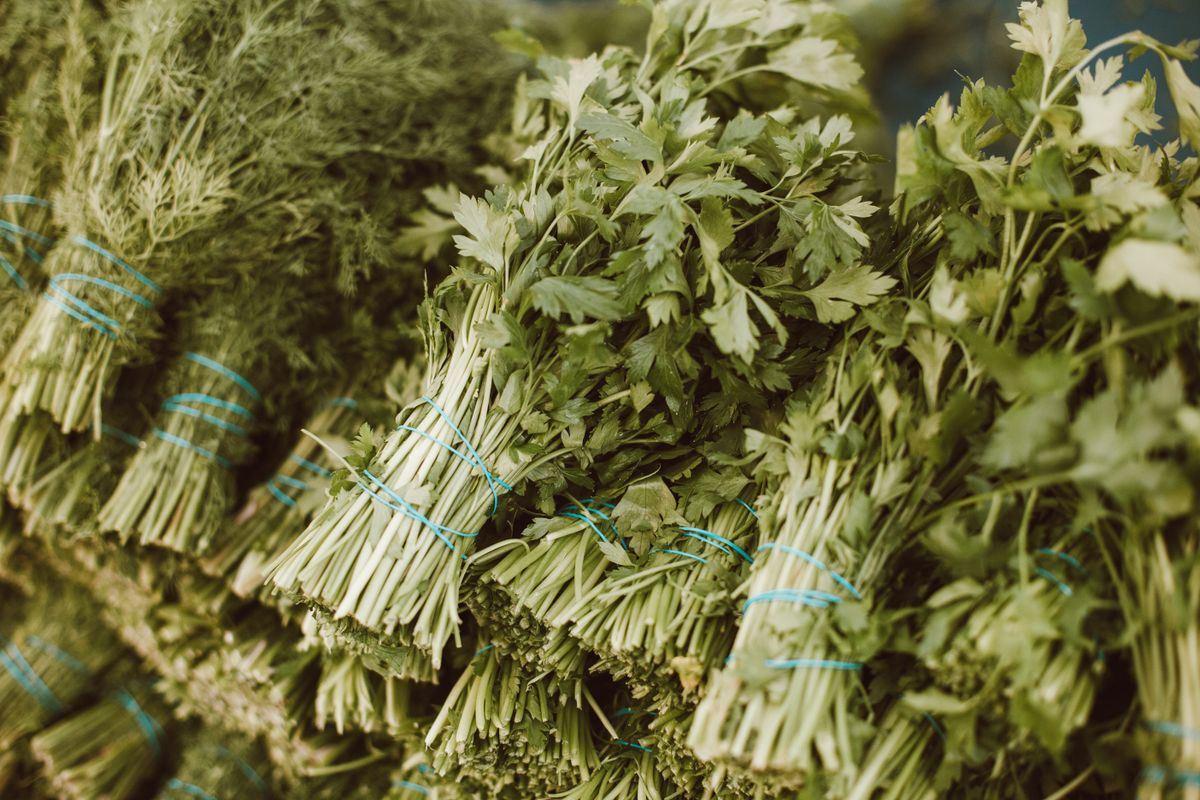
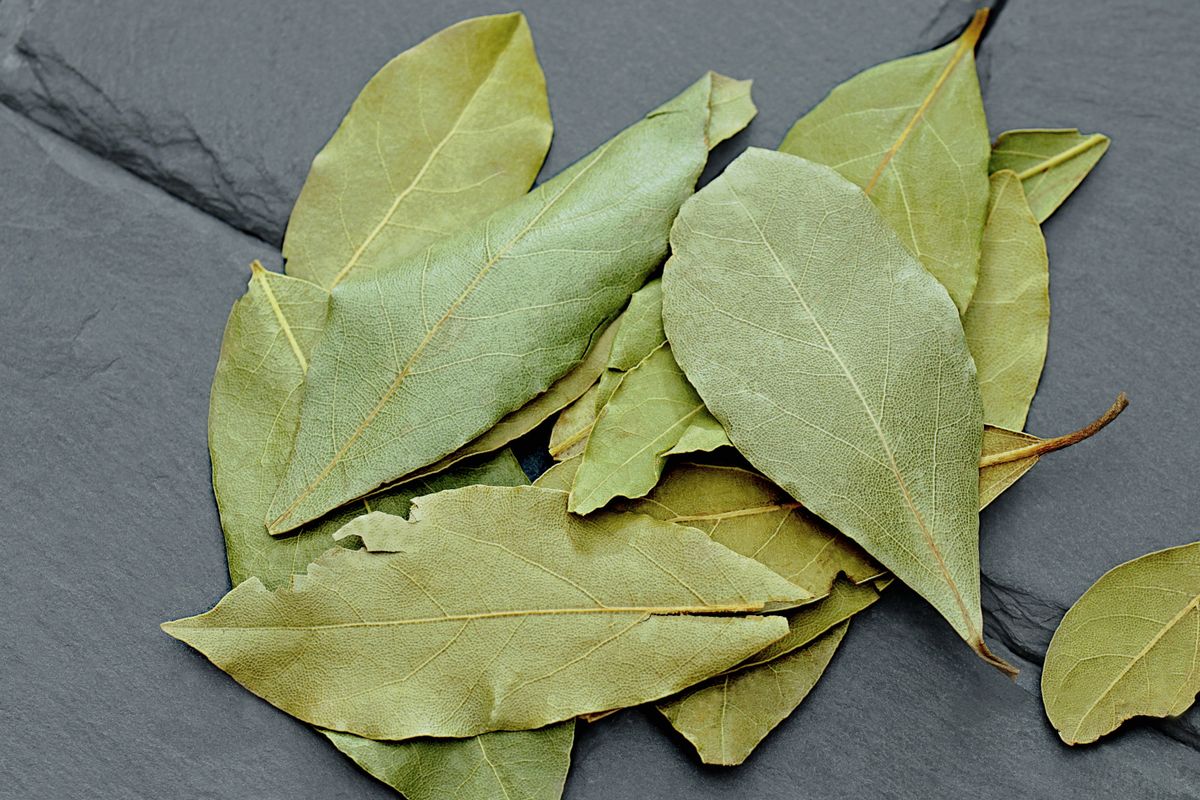
- bay leaf287 perfumes
The eight most used, of 76.
Green begins with damage
The emblematic green smell is produced when plant tissue breaks. A cut stem releases sharp leaf alcohols and aldehydes that the nose reads immediately as living vegetation under stress. The odor is fresh because it is volatile, but its subject is injury rather than tranquil nature. Perfumery turns that brief signal into a durable image.
Cis-three-hexenol gives a powerful cut-leaf effect, while related materials shift the balance toward crushed grass or green peel. Galbanum is harsher and more resinous, capable of cutting through an entire floral accord. Violet leaf brings a cooler watery surface. These materials do not smell alike; each supplies a different account of chlorophyll and broken tissue.
The family expands from that core into dried vegetation and moss. Tea accords replace sap with infusion and tannic association. Tobacco leaf is cured rather than freshly cut. Oakmoss is a lichen material whose damp bitterness belongs to the base. Green is not a position in the pyramid. It is the interpretation of plant matter before or outside flower and fruit.
Oakmoss reverses the expected pyramid
Leaf alcohols arrive early and disappear quickly. Their job is incision: they expose the stem beneath a flower or prevent fruit from reading as syrup. Herbal materials can carry that line through the heart, especially when dryness matters more than wet sap. Tobacco leaf and tea move later because their accord is built around cured or infused vegetation.
Oakmoss works from the opposite end. It anchors the base with humid shadow and a bitter mineral surface. In a chypre structure, citrus can open above a floral middle. Oakmoss determines the landscape after both have receded. Calling the result green does not make it light.
Modern oakmoss use is shaped by restrictions on sensitizing constituents, so formulas often employ treated extracts or reconstructions. The resulting note can preserve mossy darkness without reproducing every facet of older material. A catalog label cannot reveal that technical choice, but its position in the formula remains distinct from a fresh leaf accord.
Moss and generic language lead
Essentia's most-used green note is oakmoss, not grass or leaf. Generic Green Notes follows, then usage drops sharply to Tea. By the time the ranking reaches White Tea, oakmoss is ahead by well over an order of magnitude. The family is led by persistent structure and broad disclosure, not by the fresh materials its name first evokes.
Green Leaves appears below Tea, and Green Tea follows close behind. Grass is slightly lower. This middle group is the catalog's recognizable daylight vocabulary: named vegetation or a broad accord with immediate natural imagery. Herbal Notes and bay leaf then pull the family toward aromatic spice.
Generic duplication is visible lower down. Green Notes and green accord promise nearly the same abstraction but occupy separate records. Grass reappears as green grass. These splits inflate apparent variety while hiding how often a formula simply discloses greenness without identifying a material.
Tea colors are accord directions
Tea is the first specific plant term after the two leaders, but a tea note rarely reproduces brewed liquid through one extract. Perfumery assembles dryness and leafy aroma, then adds smoke or floral lift according to style. The color word tells the reader which part of that construction should dominate.
Green Tea points toward light leaf and restrained bitterness. Black Tea is darker because tannic dryness and oxidation imagery are brought forward; smoke can join without being mandatory. White Tea is softer and cleaner, often functioning as transparent floral copy more than as a literal infusion. The labels describe accord direction, not a standardized ingredient list.
The catalog fragments Tea into the generic parent and those color variants, followed by geographic or herbal forms in the tail. Indian Tea can carry meaningful origin imagery but still leaves the actual material unspecified. Herbal Tea crosses back toward the aromatic family. As with fruit origins, disclosure precision varies by brand rather than by a consistent catalog rule.
The tail turns vegetation into scenery
Named leaves dominate the lower reaches: tomato, palm, rice, and pistachio each create a different scene. Tomato leaf has a pungent green identity with real perfumery currency. Palm leaf is much less precise and often means tropical greenness. Rice leaf and pistachio leaf are rarer claims whose formula cannot be inferred from the name alone.
Green Orchid and Protea cross back into flowers. Hungarian oakmoss adds an origin to the family leader but appears only in an isolated disclosure. Steam Accord is the strongest anomaly because steam has no necessary green odor; it belongs here through humid imagery rather than vegetation.
Every green entry currently belongs to a perfume, so the tail is not a list of empty placeholders. It is a record of scenes brands wanted to name. The core maps recurring materials and broad effects. The tail is different: named leaves sit beside places, and atmospheric inventions arrive with uneven olfactory precision. Green perfumery contains both, but they should not be read as equivalent evidence.