Note family
Spicy notes
Spicy notes alter a perfume's pressure and apparent temperature through pungent oils, cool aromatics, dry bark, and leathery saffron effects.
In this catalog
Most used notes of the family
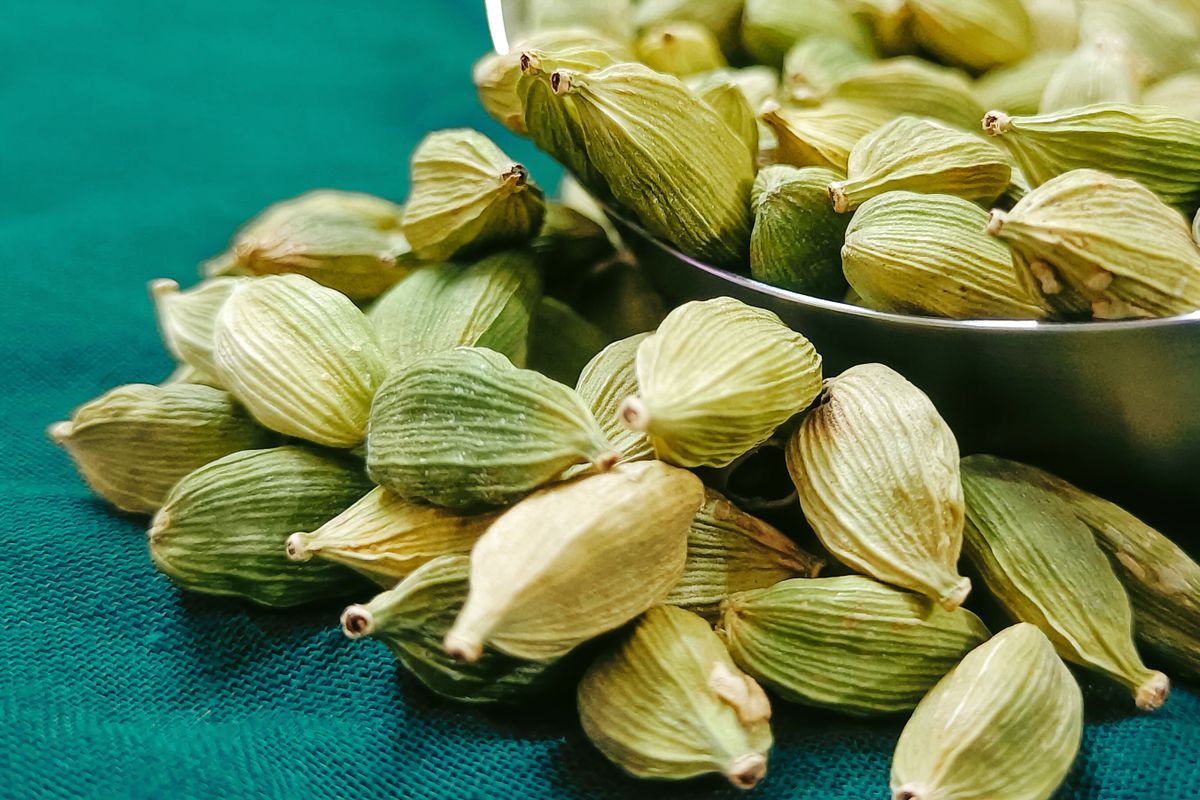
- Cardamom4,558 perfumes
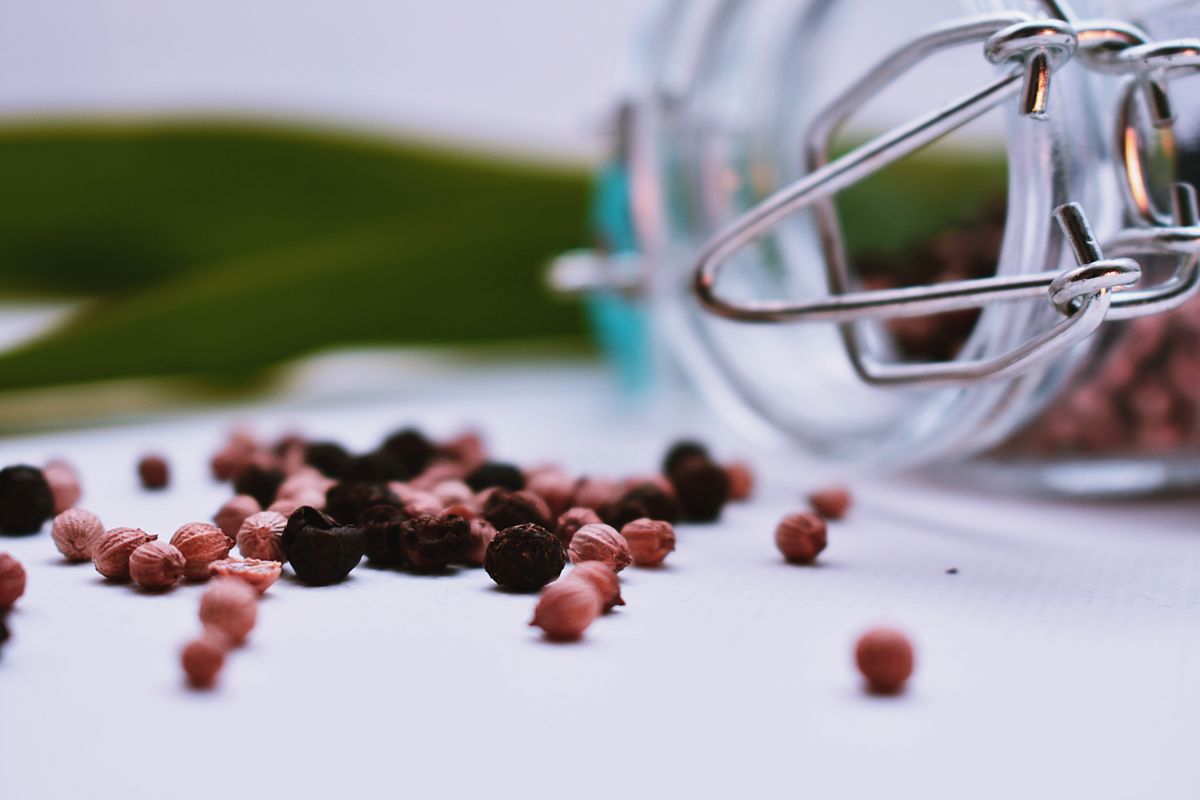
- Pink Pepper3,949 perfumes
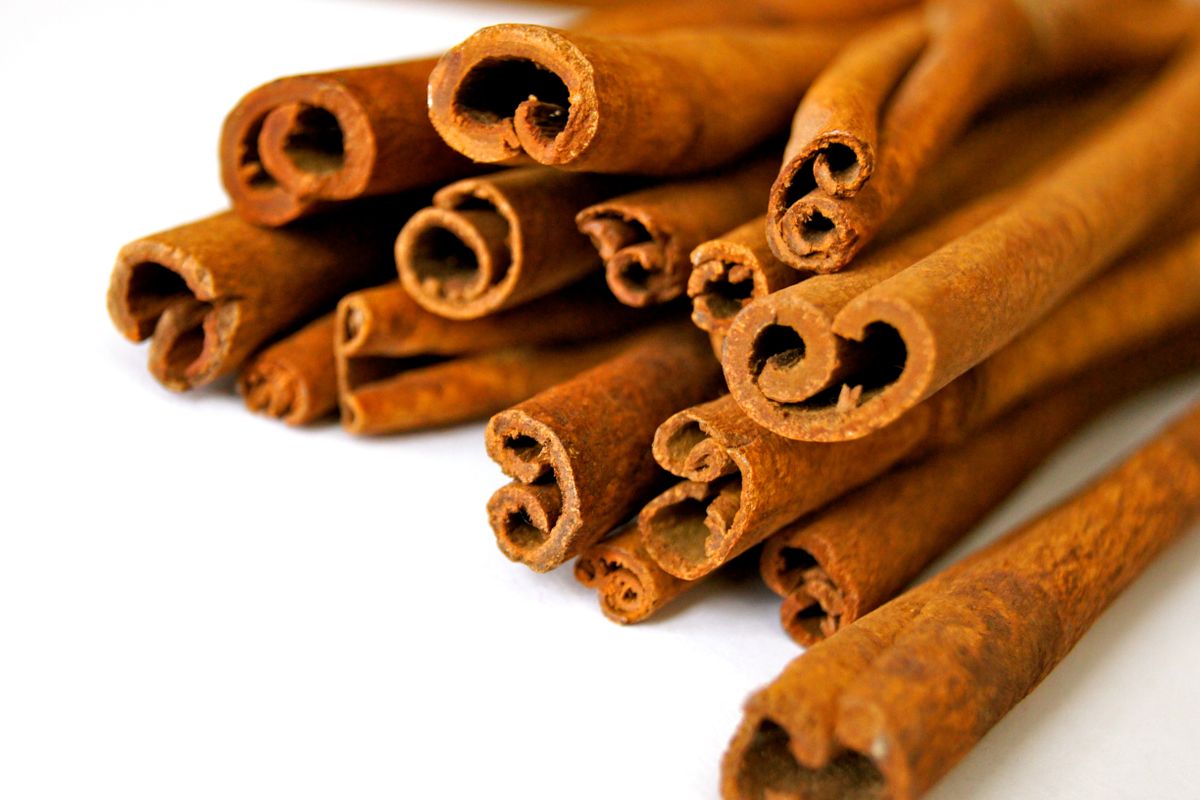
- Cinnamon3,182 perfumes
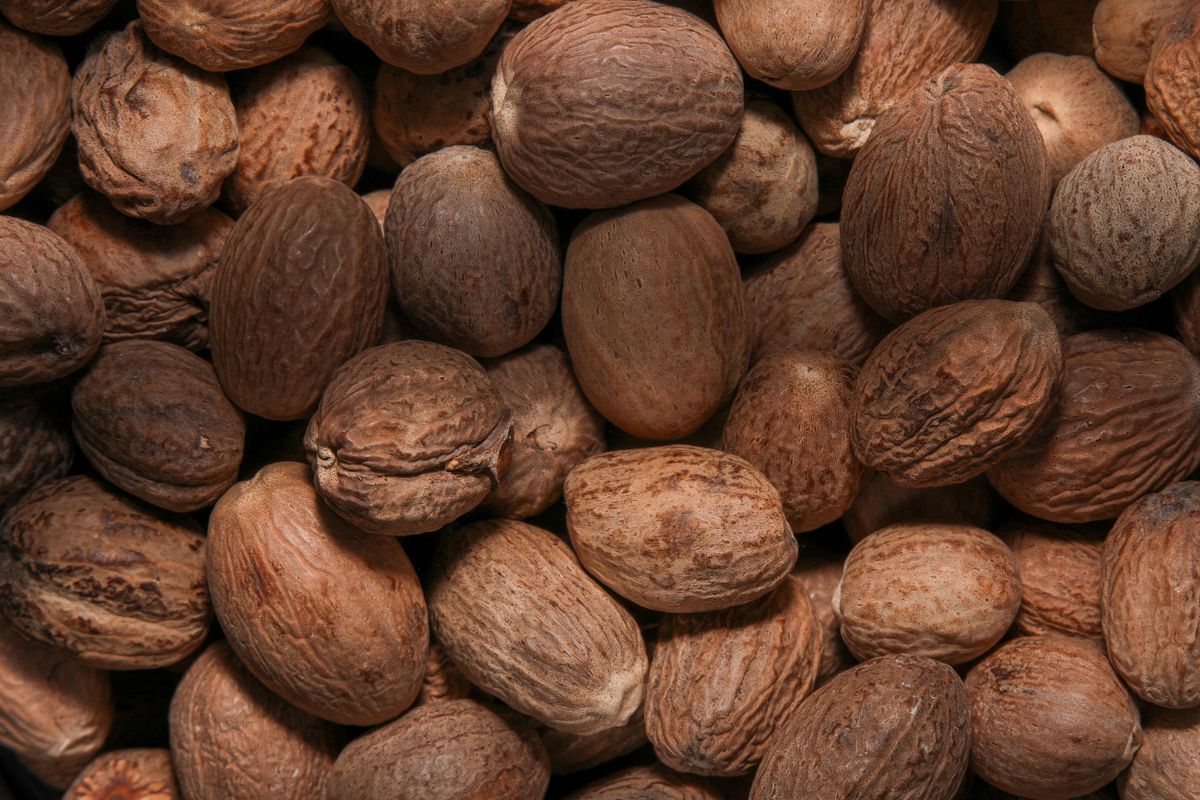
- nutmeg2,779 perfumes
- saffron2,619 perfumes
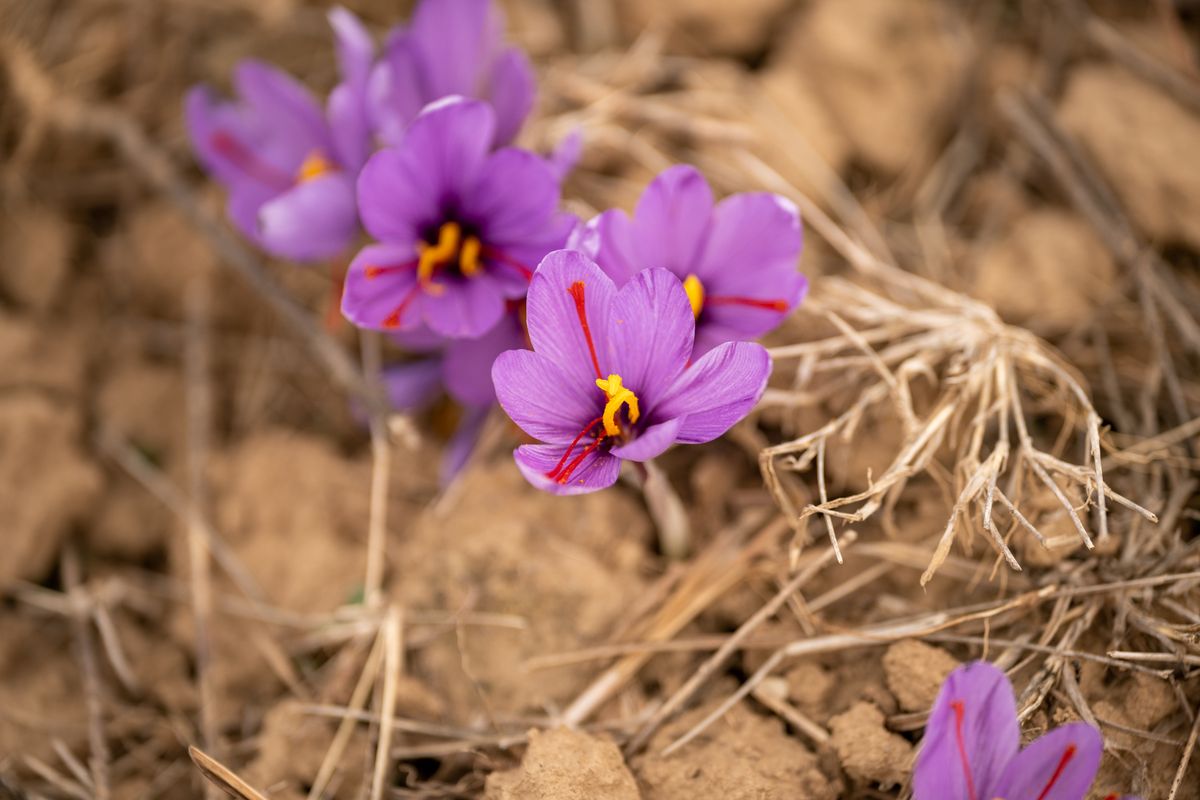
- Ginger2,542 perfumes
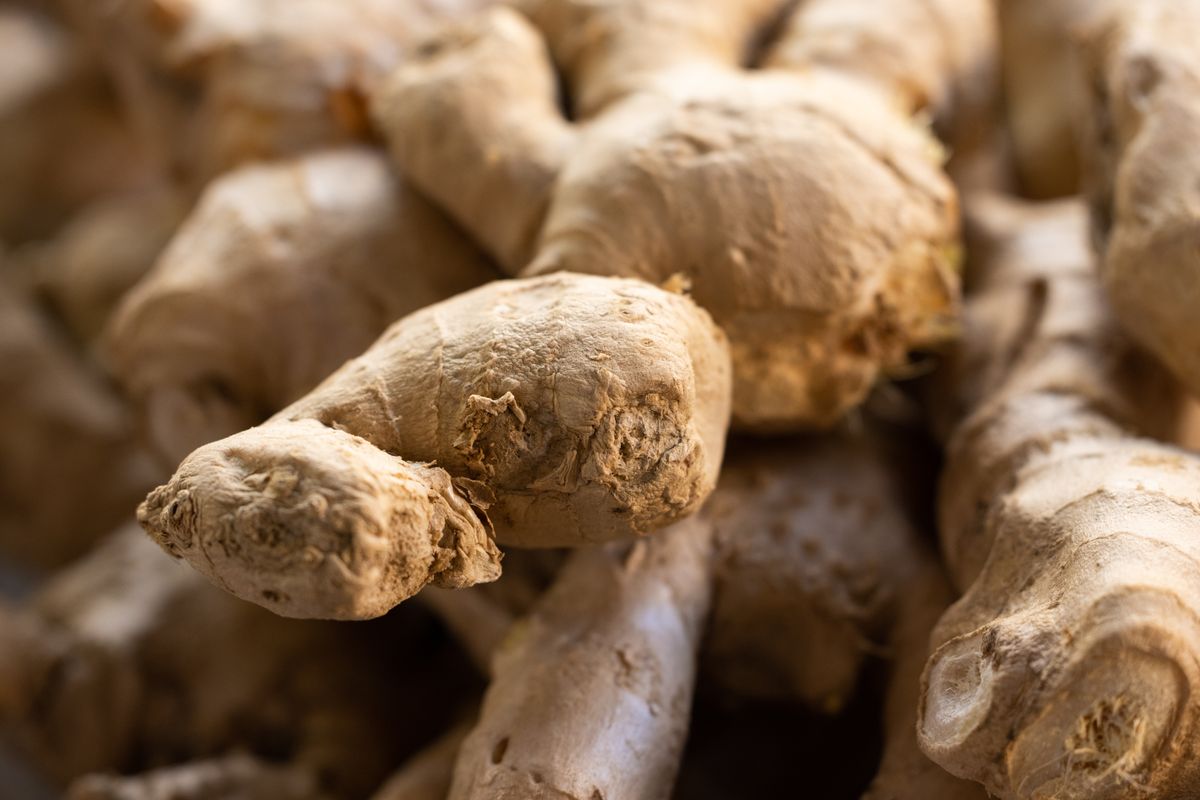
- Pepper2,278 perfumes
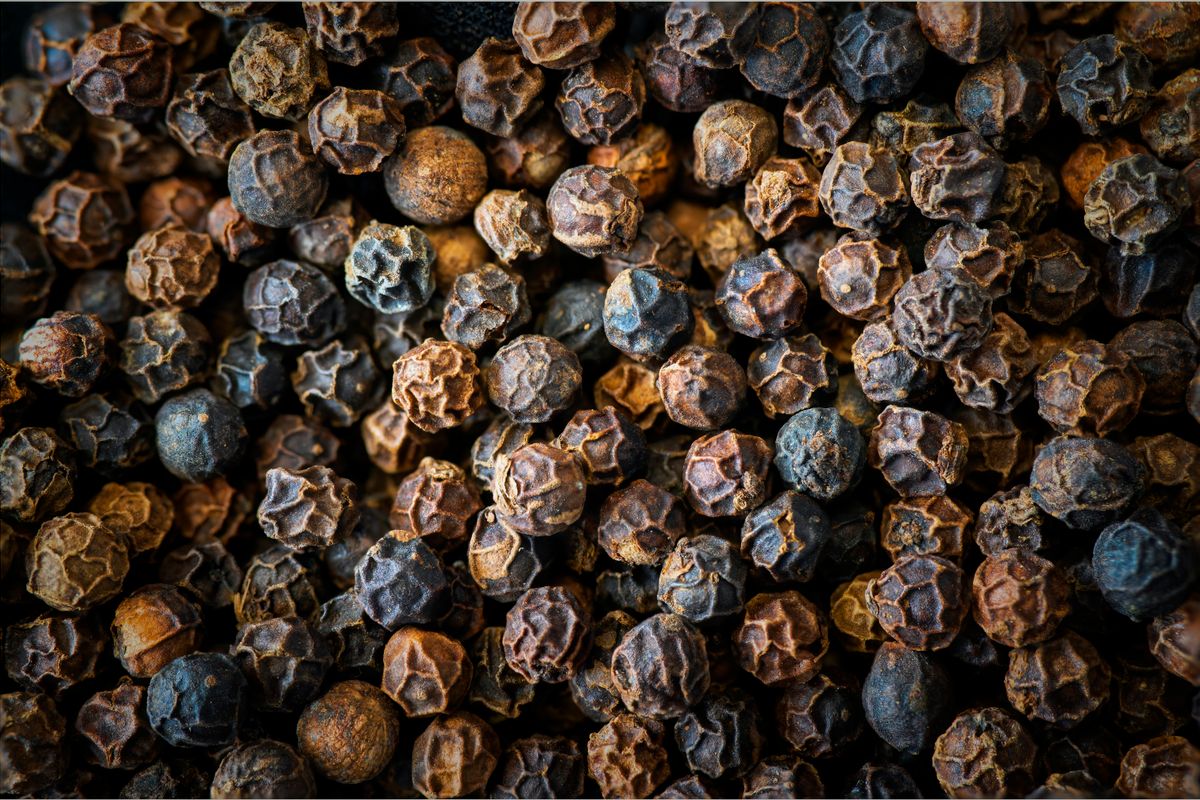
- black pepper1,619 perfumes
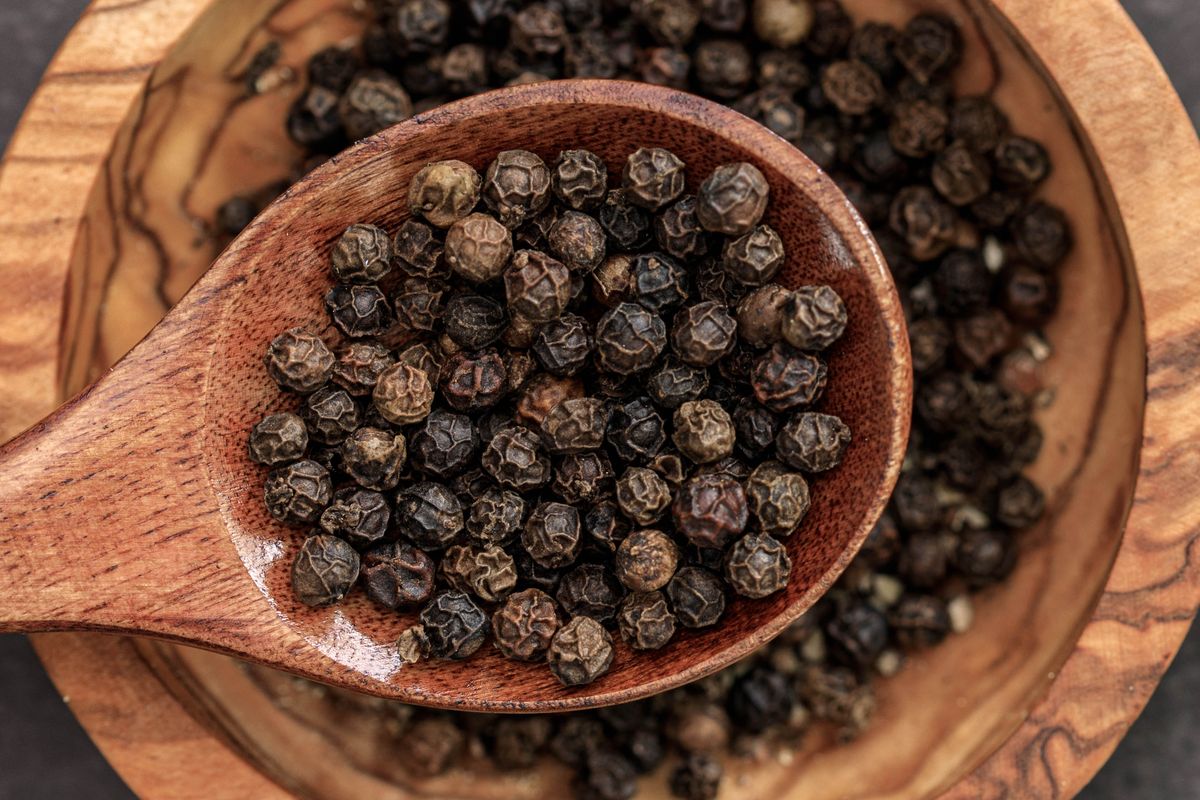
The eight most used, of 61.
Spice is pressure, not heat
Spices share intensity rather than a botanical source. Cinnamon is bark. Ginger is a rhizome, while peppercorns are fruits and saffron is made from flower stigmas. Their oils do not reproduce the physical burn of food in a literal way. They create an olfactory pressure that tightens the material around them and changes the perfume's apparent temperature.
Cardamom proves that spicy does not mean hot. Its cineolic freshness feels cool, green, and airborne. Pink pepper is brighter and carries a rosy lift. Cinnamon pushes in the opposite direction through sweet bark and the unmistakable force of cinnamaldehyde. Saffron is drier; in perfume it often approaches leather, hot metal, or clean fabric warmed by skin.
The family is useful because a small dose changes proportion. Cardamom can prise open a dense amber. Clove darkens carnation and makes its floral spice explicit. Ginger gives citrus a root instead of more juice. Spice is rarely neutral decoration. It can push adjacent materials upward or make them contract. In a dense base, it adds weight instead.
Volatility divides the spice drawer
Fresh cardamom and ginger speak early because their brighter constituents diffuse quickly. Pink pepper also rises into the opening, where it can mimic the sparkle expected from citrus without smelling like peel. Their first effect is kinetic. It interrupts a smooth accord before the heavier spice body becomes clear.
Cinnamon and clove occupy more of the heart. Eugenol gives clove a dense phenolic character that holds against flowers and balsams, while cinnamon binds readily to vanilla. Nutmeg is quieter but persistent enough to roughen a sweet base. Saffron bridges heart and base because its leathery facets survive after its initial lift has receded.
Context controls whether that persistence becomes culinary. Vanilla can turn cinnamon toward pastry, but dry cedar removes the edible reading. Rose absorbs pink pepper and leaves it as petal vibration. Oud takes saffron's dryness and magnifies its leather. The same named spice changes genre because the base edits its associations.
Cardamom leads a crowded tier
The catalog gives cardamom first place, yet there is no runaway leader. Pink pepper remains close. Cinnamon follows, and saffron sits almost level with nutmeg; ginger and generic pepper keep the leading group dense. This distribution describes a toolkit with several jobs, unlike a family built around one default material.
Cardamom's advantage comes from compatibility. It freshens without repeating citrus and dries sweetness without imposing the darkness of clove. Pink pepper performs another broadly useful task: it adds diffusion and a floral shimmer while remaining legible as spice. Cinnamon is more decisive. Once present above a modest dose, it announces warmth and food association whether the formula wants them or not.
Saffron and nutmeg appearing at virtually the same level is more revealing than a simple ranking. Saffron carries prestige and a modern link to leather accords; nutmeg is quieter, woody, and familiar. Their equal reach shows two routes into spicy perfumery: one material becomes a visible theme, while the other works as an unobtrusive modifier across styles.
Pepper fragments into records
Pepper is not one catalog object. A generic Pepper entry sits high, followed by black pepper. White pepper and Sichuan pepper receive their own records, and several geographic labels continue into the tail. The distinctions can be olfactorily meaningful, but the counts also depend on how precisely a brand chose to publish its pyramid.
Clove exposes a simpler duplication. Cloves and Clove are separate entries, with the plural record far more common. Clover then appears nearby despite naming a different plant, and Black Clover survives at the very end. That sequence is difficult to defend as perfumery taxonomy. It looks like normalization failure preserved as false variety.
Peppermint is another border case. Its cooling menthol profile belongs naturally with aromatic herbs, yet the spice category contains it. Unlike the clover confusion, this placement has an olfactory argument: pungency and trigeminal coolness can make mint function like spice. The catalog is recording use and inherited labeling, not enforcing a clean botanical system.
Dosage separates perfume from kitchen
Spice materials are recognizable at low concentration, which makes dosage part of their identity. Too much clove flattens a floral accord into eugenol. Excess cinnamon reduces a complex sweet base to a single food cue. Cardamom is more forgiving, but its camphoraceous side can become medicinal when the formula offers no soft surface to receive it.
The geographic names in the tail promise precision without guaranteeing a distinct raw material. Guatemalan cardamom has a plausible source meaning; Arabian Spices and Brazilian Spices are broad accords dressed as locations. Japanese Pepper can point to a real material, while an isolated regional pepper label can equally be a marketing phrase. Frequency alone cannot settle which case applies.
Every spice entry in the current catalog is attached to a perfume, even those at the tail. That fact gives the rare labels documentary value, but not equal authority. The leading group maps recurring perfumery practice. The tail maps how brands narrate spice, including the mistakes they publish. Both belong in the archive, provided the reader is told which kind of evidence each supplies.