
Note family
Woody notes
Woody notes create grain, shadow, and lasting structure from timber, roots, leaves, resinous growths, and modern molecules.
In this catalog
Most used notes of the family
- Sandalwood16,422 perfumes
- Patchouli14,171 perfumes
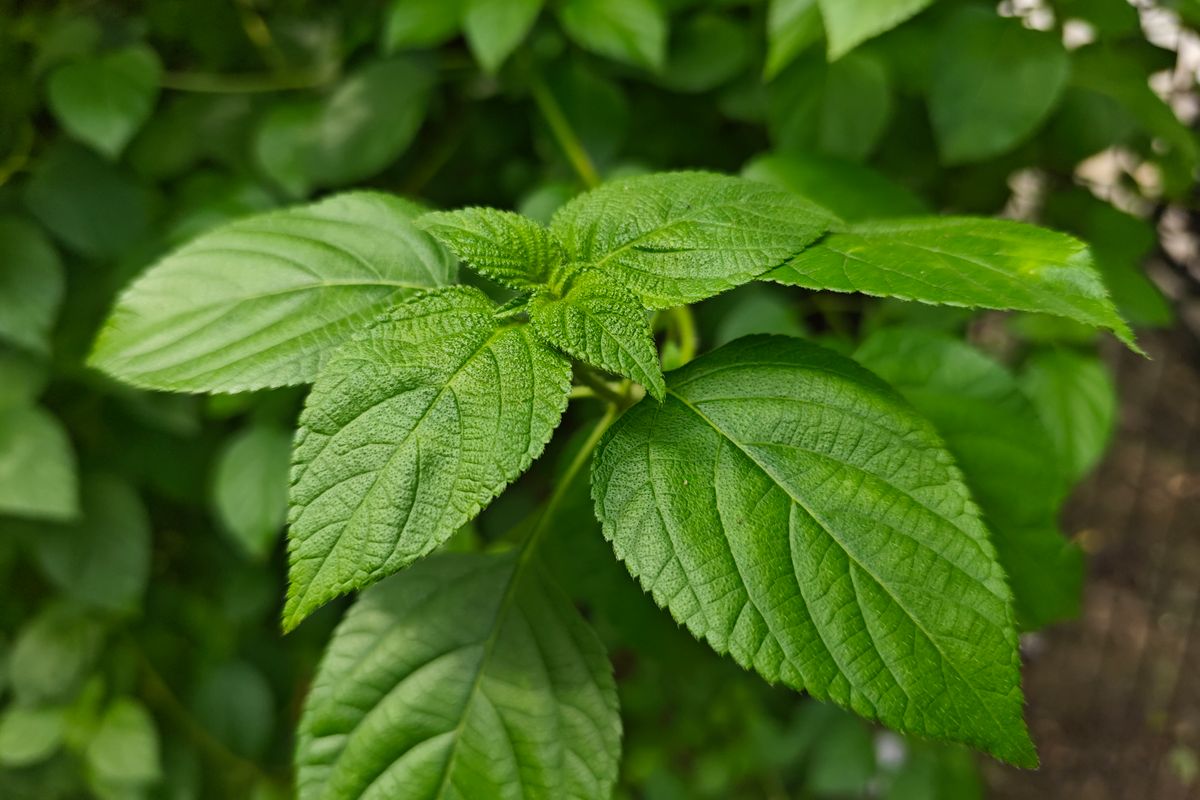
- Cedar12,061 perfumes
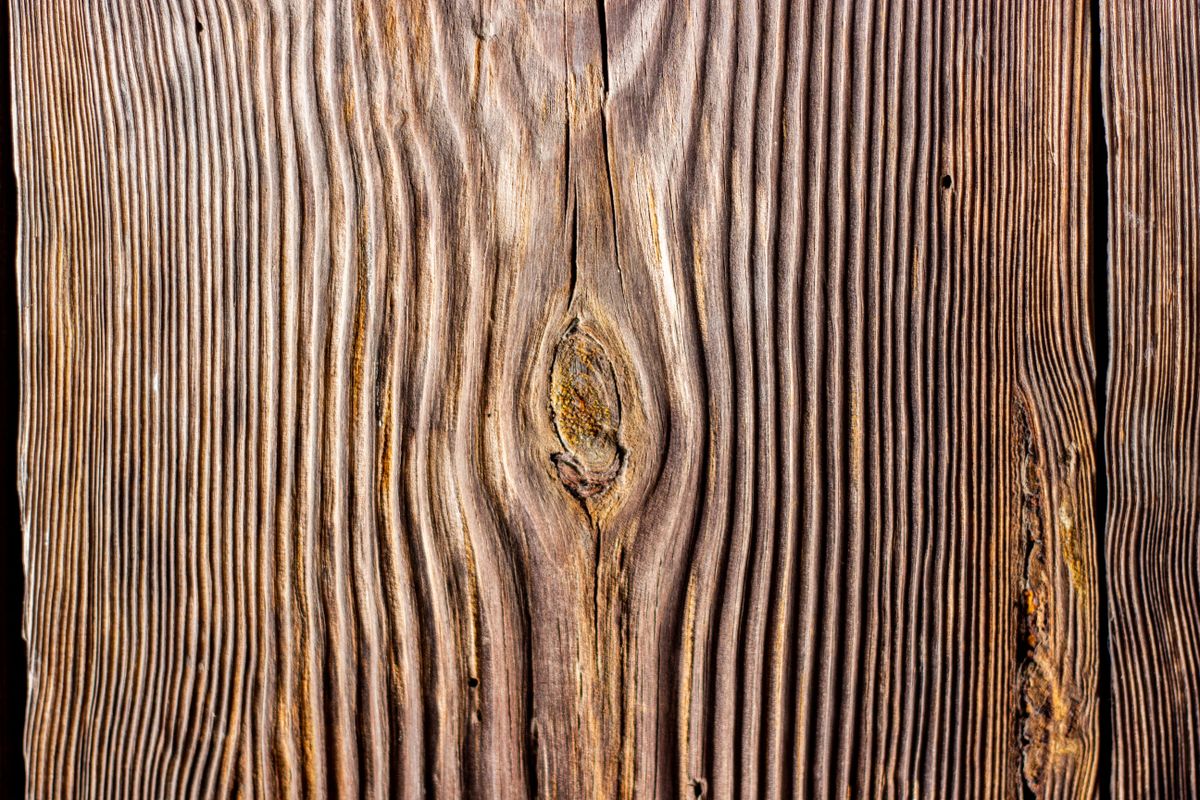
- Vetiver7,806 perfumes
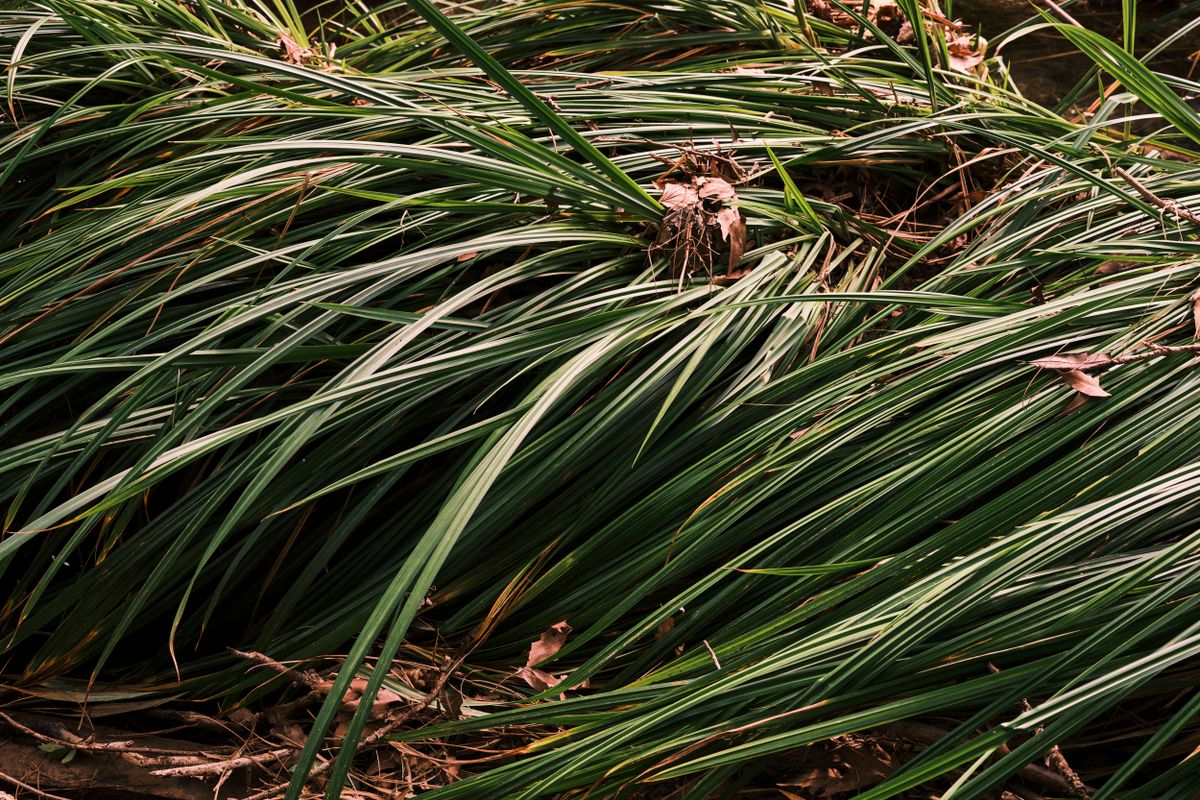
- Woody Notes3,285 perfumes
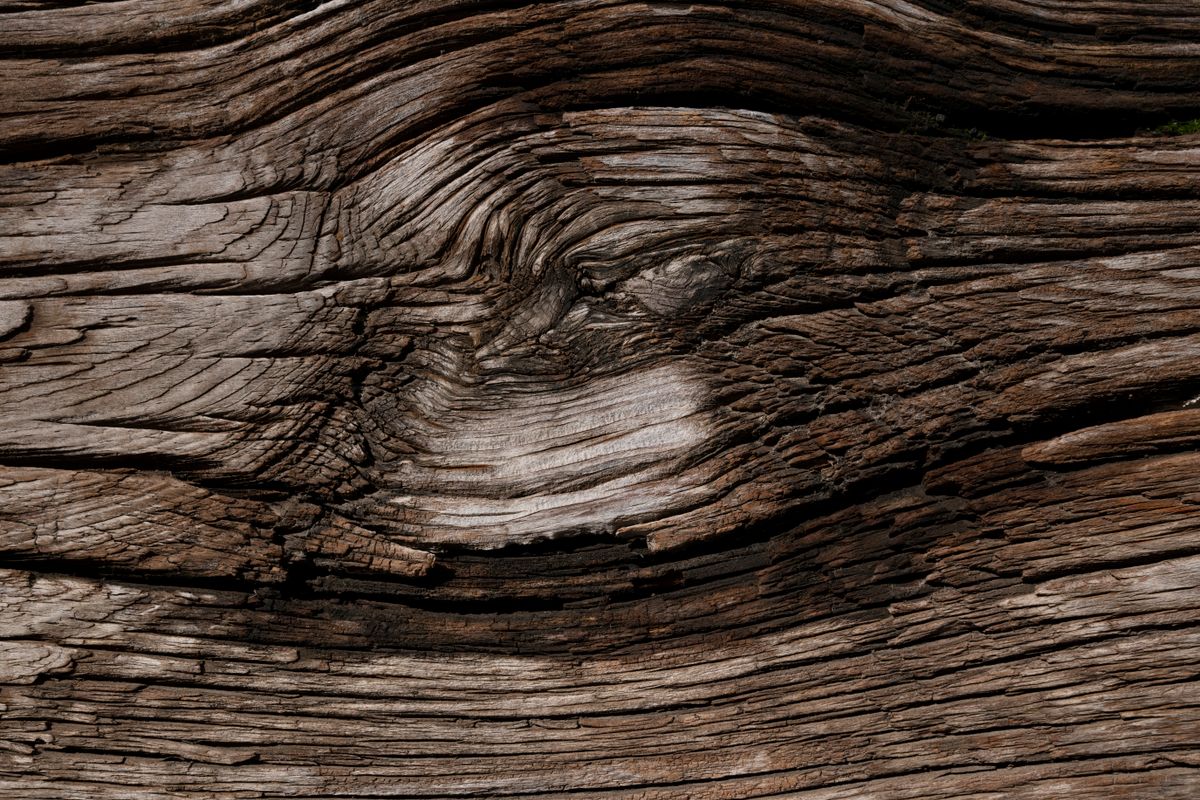
- Agarwood (Oud)2,091 perfumes
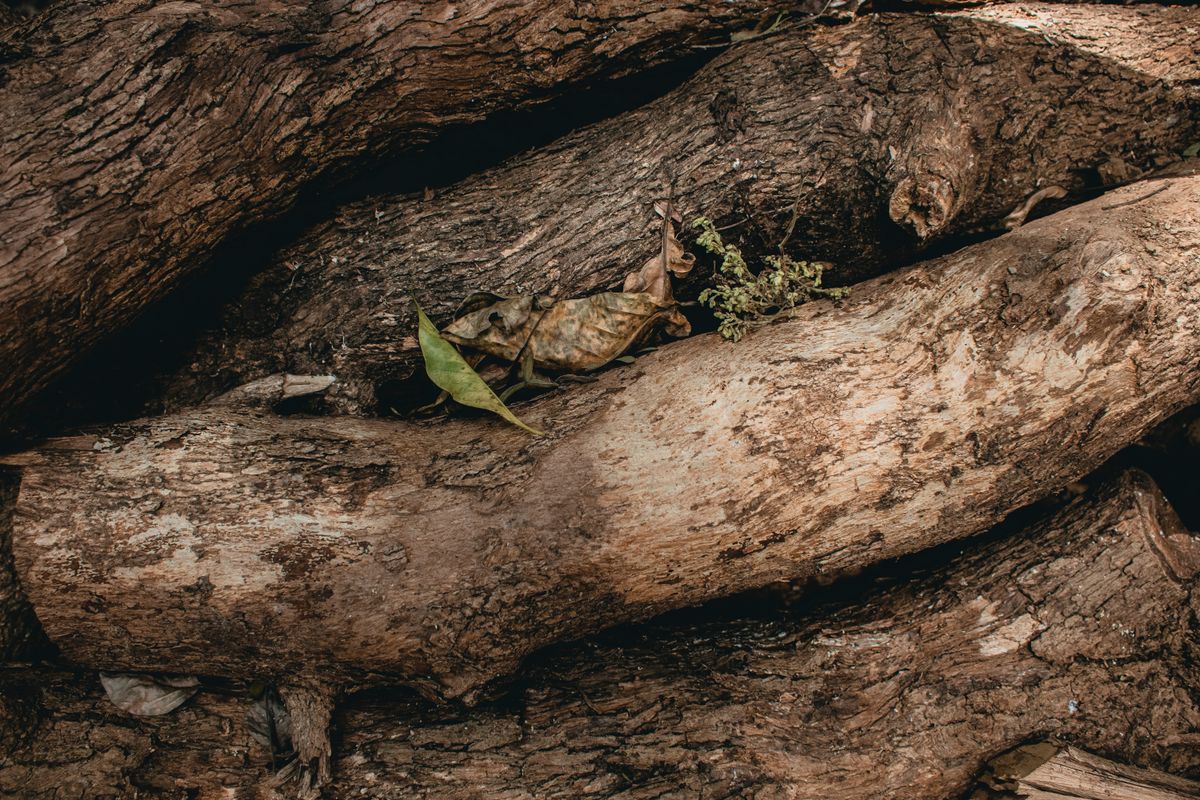
- Virginia Cedar1,868 perfumes
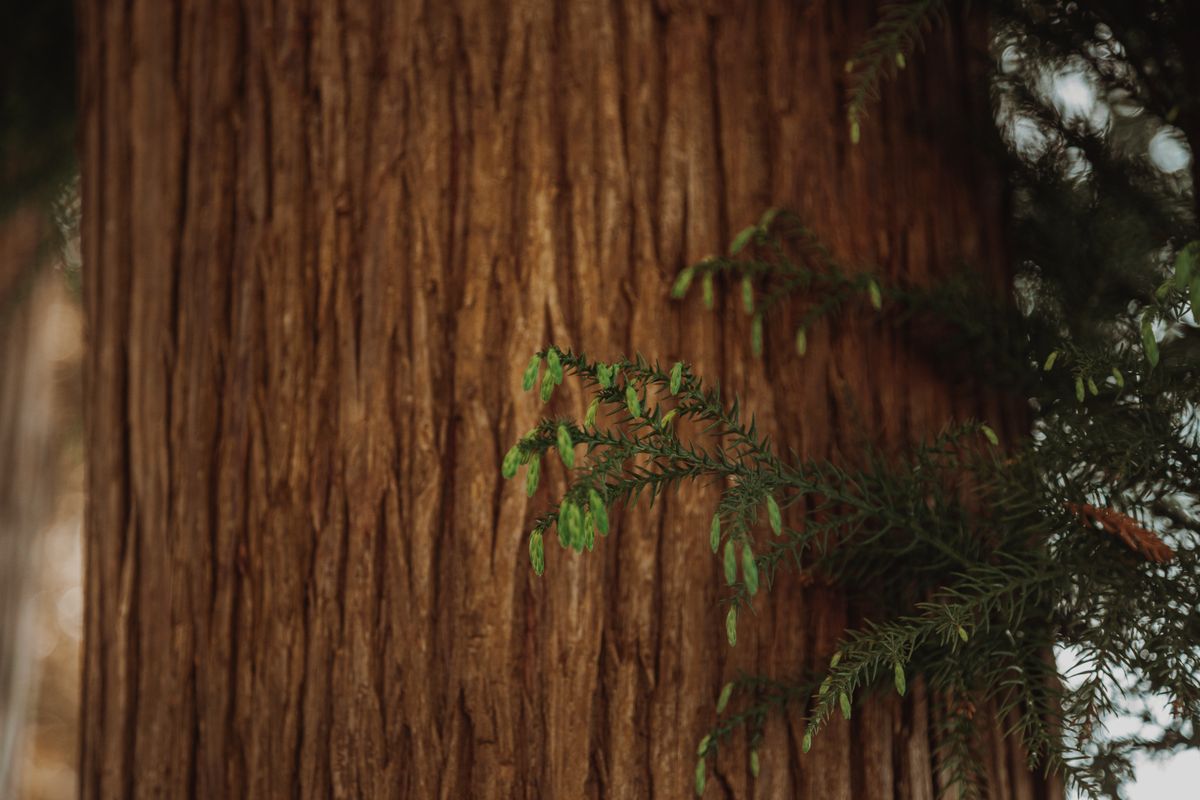
- woodsy notes1,712 perfumes
The eight most used, of 106.
Wood is a structural fiction
The woody family is not a botanical category. Patchouli oil comes from leaves, and vetiver comes from roots. Oud is different again: it develops as resin inside wounded Aquilaria wood. Cashmeran comes from no tree at all. Perfumery groups them together because each can create grain or mass beneath more volatile materials. Some also establish a persistent plane across the whole fragrance. The family names a kind of construction.
That construction is immediately tangible. Cedar draws a dry line through a formula. Sandalwood replaces the line with volume, spreading a creamy surface that joins skin to flower. Patchouli deepens the floor and introduces the cool darkness of leaf and soil, edged by camphor. Vetiver is narrower: its rooty dryness can feel green at the top while smoke and earth remain below.
A perfume described as woody therefore says little until the material is named. The word can indicate pale timber or damp undergrowth. In another formula it points to the radiating abstraction of an amberwood molecule. Those effects do not share one smell. They share the ability to organize space after the opening has begun to collapse.
The base is not always quiet
Natural woody oils are associated with the heart and base because their heavier constituents persist, but persistence does not imply low projection. Cedar can be apparent from the first minutes when its dry lift is exposed. Patchouli has volatile camphoraceous facets that announce the material before its earthy body settles. Modern woody molecules go further and radiate through the entire evaporation curve.
This changes the old pyramid. An amberwood material can strike before the citrus has finished, then remain as a hard luminous shell. Cashmeran combines woody diffusion with musk and a mineral rasp; it behaves less like sawn timber than warm fabric charged with static. Such materials are not merely substitutes for scarce woods. They create shapes natural oil cannot.
The dry-down reveals which kind of support the formula chose. Sandalwood absorbs floral edges and keeps them rounded. Vetiver preserves separation, especially under grapefruit or aromatic herbs. Patchouli makes sweetness darker by giving it soil and bitter leaf. Cedar removes softness. The wood is not background decoration in these cases; it determines what the other notes are allowed to become.
Four materials carry the catalog
Essentia's distribution is unusually clear. Sandalwood leads, with patchouli and cedar close enough to form the same dominant tier. Vetiver remains substantial but already sits at a visible distance. After it, usage falls sharply to the generic Woody Notes entry. The catalog's woody language is broad, yet everyday formulas return to a compact core.
The order reflects utility. Sandalwood joins flowers and musk without breaking a sweet base's surface. Patchouli works as shadow and as structure, which gives it equal relevance in rose compositions and darker gourmands. Cedar is the quickest way to impose dryness. Vetiver links citrus freshness to an enduring root, making it valuable when a clean opening needs an unsweetened continuation.
Oud receives far more cultural attention than its catalog position would predict. It appears well below the dominant group. That gap separates prestige from routine formulation: oud is central to a recognizable genre, but sandalwood and cedar perform ordinary structural work across many more perfumes. A celebrated material is not necessarily the one perfumers rely on most often.
Names conceal species and substitutions
A broad note name can hide major material differences. Virginia cedar is botanically a juniper and gives the familiar dry pencil-shaving profile. Atlas cedar has another balance, warmer and less severe. Haitian vetiver appears separately from generic vetiver, but many note pyramids disclose only the parent term. The catalog therefore mixes botanical species with origin claims, then applies marketing precision inconsistently.
Sandalwood carries an additional history of scarcity. High-quality natural oil is costly and constrained, so some modern molecules isolate its creaminess. Other blends emphasize diffusion while retaining a clean woody body. The label sandalwood can describe natural oil, a reconstruction, or both. Odor is a safer guide than the romance of the source.
Cashmere wood and Cashmeran demonstrate a different naming problem. The former often describes an accord or texture; the latter identifies a specific aroma chemical whose woody-musky character helped establish that texture. Treating the names as simple synonyms loses the distinction between an olfactory image and one material used to produce it.
The long tail has splinters
Generic wording is common near the top: Woody Notes and woodsy notes occupy separate records despite promising nearly the same information. Their combined prominence shows how often brands prefer atmosphere to disclosure. It also means the ranking fragments one broad concept through capitalization and phrasing rather than through smell.
The opposite problem appears at the tail. Regional oud labels and named woods occur in isolated perfumes, where origin functions as narrative precision. Redwood Flower and Sandalwood Flower cross into floral imagery even though neither is a standard account of the wood's odor. A misspelled cedar entry survives as its own note. These are not new branches of woody perfumery; they are evidence of a catalog assembled from published pyramids without a fully normalized vocabulary.
That mess does not make the family useless. It changes how its data should be read. The dominant materials describe actual recurring grammar, while the tail records branding claims. It also preserves provenance language and occasional ingestion errors. Woody perfumery remains coherent at the level of structure. The catalog is least reliable precisely where a label pretends to offer the most specificity.