Note family
Aquatic notes
Aquatic notes construct humidity and open space from synthetic accords, because water and salt cannot supply the marine odor their names promise.
In this catalog
Most used notes of the family
- Water Notes546 perfumes
- watery notes479 perfumes
- Watermelon452 perfumes
- sea water429 perfumes
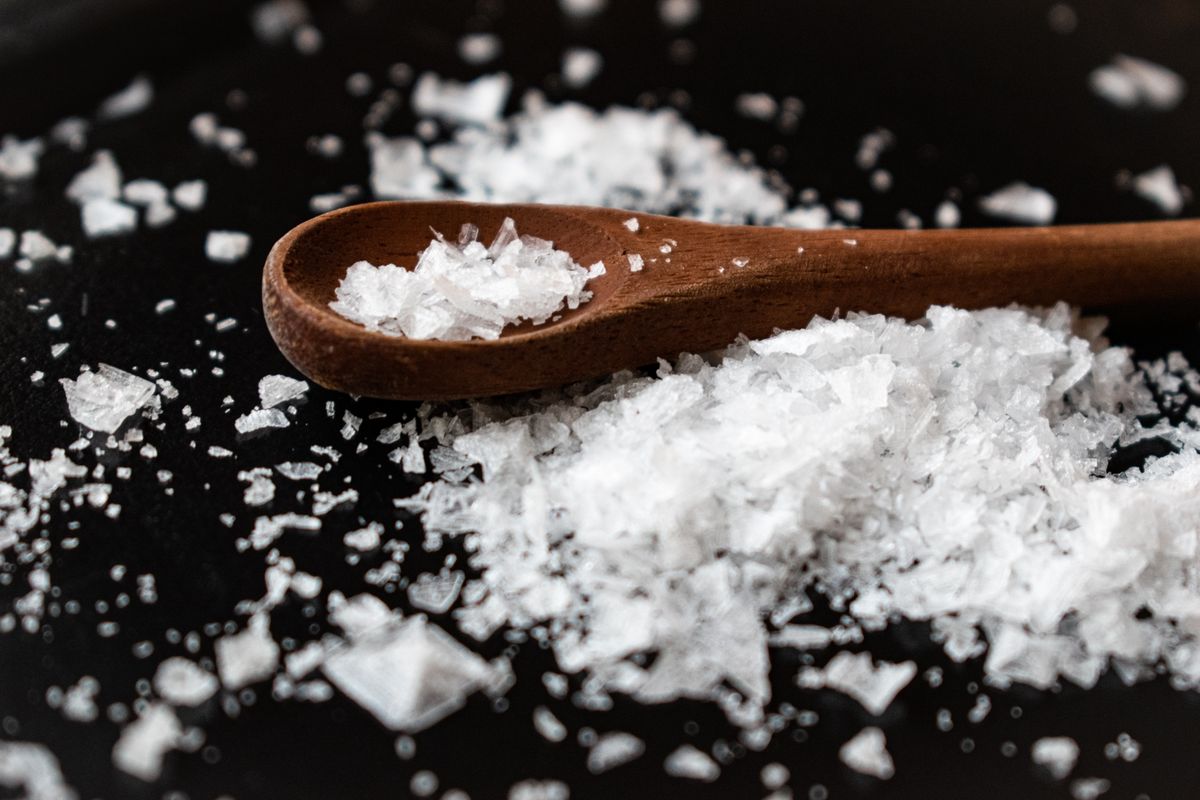
- salt351 perfumes
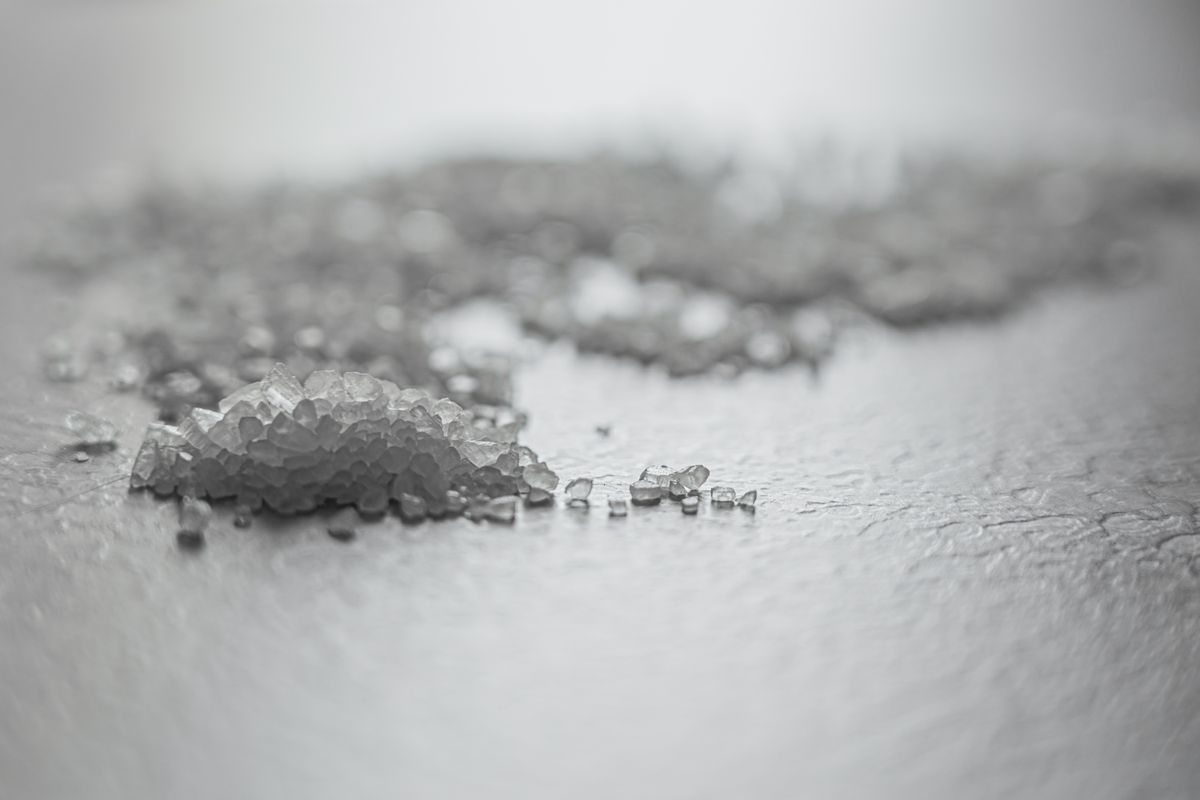
- Sea Salt168 perfumes
- mineral notes101 perfumes
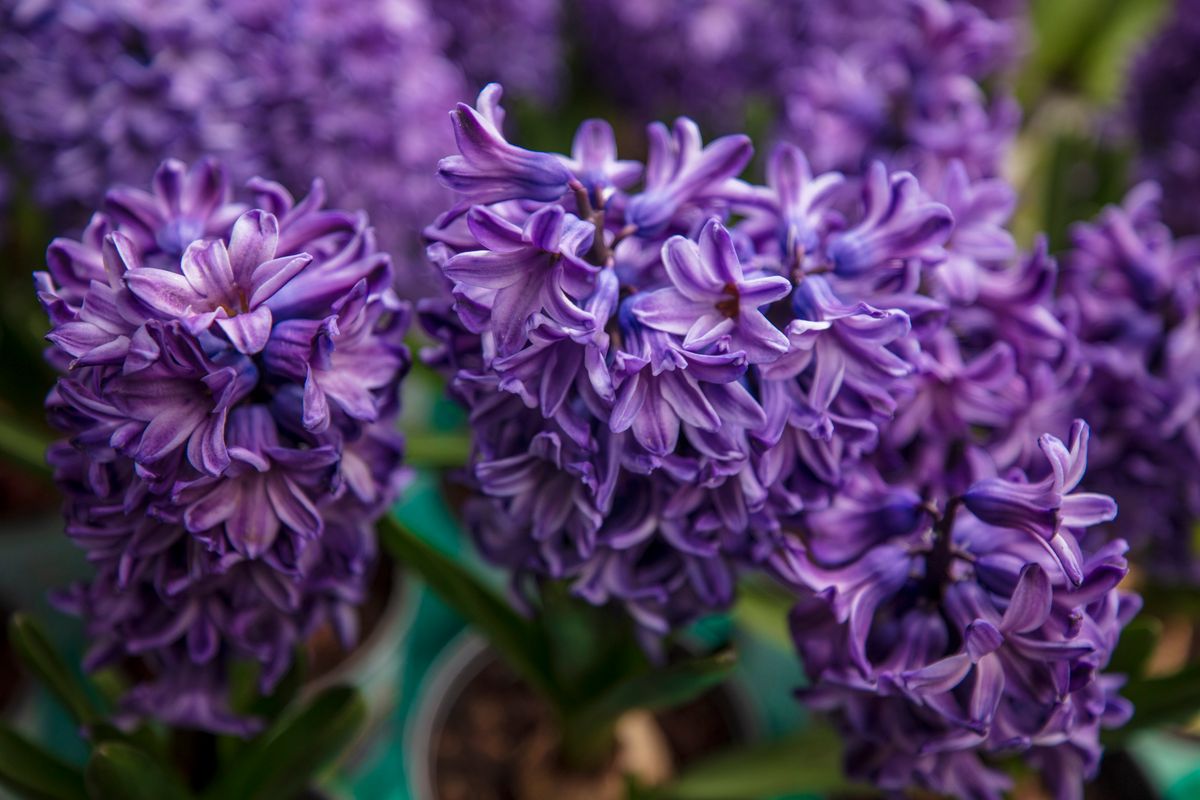
- water hyacinth67 perfumes
The eight most used, of 20.
Water has almost no perfume oil
Water is a poor aromatic source. Pure water contributes almost no odor, and sea salt is not the smell of a coast. Marine air acquires character from wet organic matter and traces released around the shore. Perfumery cannot extract the abstract idea of water, so it constructs cues that memory assembles into humidity and distance.
Those cues include transparent floral molecules and airy musks. Green materials can imply a wet bank, while mineral accords create the imagined temperature of stone after rain. Marine molecules add another image, often with a melon-like facet that has no literal connection to seawater. The family is held together by spatial effect rather than shared chemistry.
Aquatic language therefore describes how densely the perfume occupies the nose. An accord feels watery when other materials appear suspended or diluted. Air around them completes the illusion. That impression can accompany fruit or flowers. It can also sit over a dry woody base without containing anything that smells like a glass of water.
Transparency can outlast weight
Aquatic effects are often placed in the opening because open space reads immediately as freshness. Their apparent lightness says little about evaporation. Several modern watery or marine materials are powerful and persistent, so a transparent accord can remain long after a richer floral note has blurred.
Musks extend the open surface without making it visibly heavier. Pale woods provide a frame and keep the water effect from becoming shapeless. An amber-like base can produce a strange result: the perfume feels spacious but leaves a durable warm shell. Perceived mass and actual longevity have separated.
Salt changes texture rather than supplying a direct salty smell. It dries the imagined skin and makes a marine accord feel less fruity. Mineral language does related work through stone or metal association. Coconut water moves the opposite way and introduces soft flesh, turning abstract humidity toward a tropical drink without the density of coconut cream.
Duplicate abstractions lead the catalog
Water Notes and watery notes occupy the first two positions in Essentia and sit remarkably close. They promise the same broad effect with different grammar. Their separation is a normalization artifact at the very center of the family, not a subtle distinction between materials.
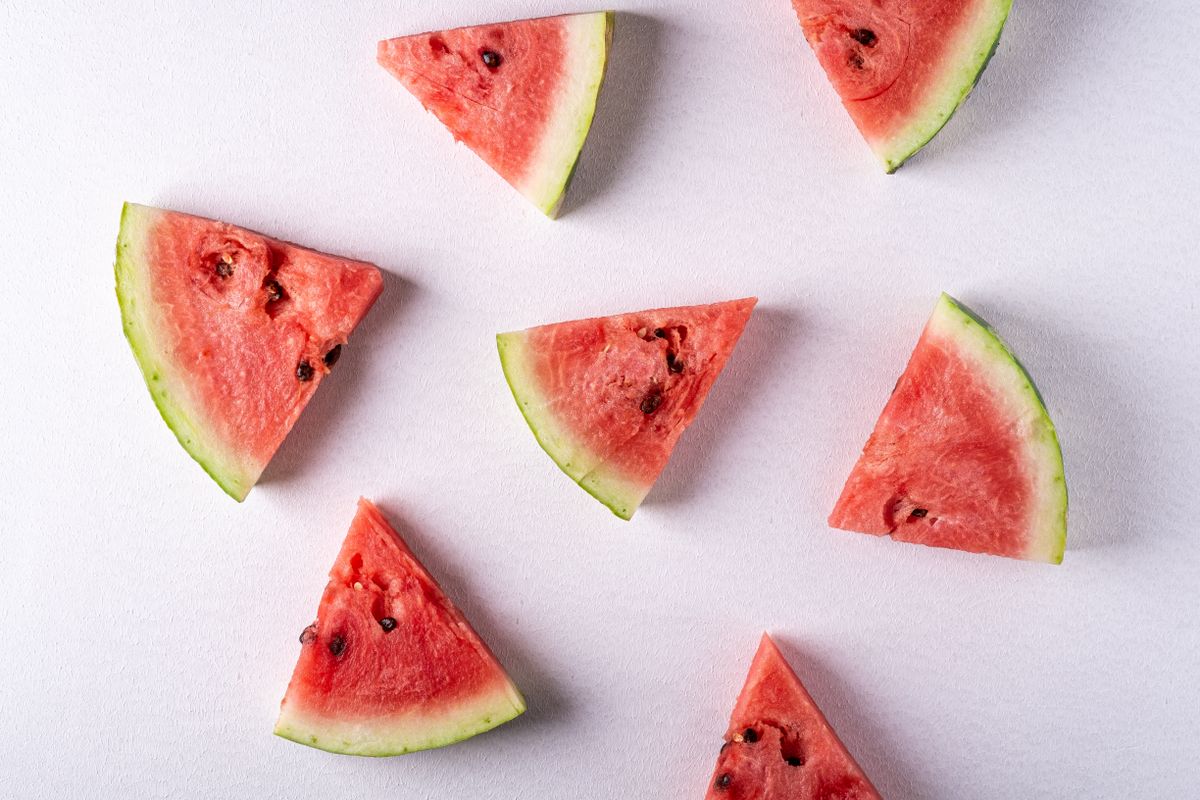
Watermelon follows close behind, with salt and sea water at almost the same level beneath it. This leading group is compact: no note overwhelms the others as amber does in resin or musk does in its family. The distribution reflects several interchangeable ways brands explain freshness to a reader.
Duplication continues with salt and Sea Salt. Marine notes appears much lower than sea water, although the phrases can describe the same oceanic accord. Aquatic notes itself sits lower still. The family contains a large amount of generic language split by capitalization and wording, so its apparent variety exceeds its conceptual variety.
Watermelon reveals the construction
Watermelon ranking near the generic leaders is not a catalog accident. Calone and related marine vocabulary made a watery melon facet central to modern aquatic recognition. A perfume can invoke sea air through a molecule that also recalls watermelon rind. The association became familiar enough that fruit and ocean now reinforce each other.
That history explains why an aquatic accord can turn sweet without becoming gourmand. Watermelon supplies transparent fruit rather than cooked flesh. Water hyacinth translates humidity into a damp floral image. Water mint brings literal aromatic cooling. Coconut water sits level with it in the current snapshot but produces a softer and less medicinal scene.
These border notes show the family borrowing identities rather than owning materials. The aquatic reading comes from framing. Flower appears wet, while mint seems carried by water. Fruit loses density under the same treatment. Remove that spatial frame and each note returns to another family.
The tail names scenes, not substances
Water Fruit and Tonic Water are product-like ideas. Water Peony and Water Flowers turn familiar florals into humid variants, while Watery Cyclamen repeats the same operation through texture. None identifies a standardized raw material. The prefix instructs the formula to reduce weight and add space.
Head Space Waterfall sounds technical because headspace is a real capture method, but the catalog label does not document a capture or its composition. It names a scene with scientific vocabulary. Water Heliotrope is equally abstract: heliotrope is associated with powder and almond-like softness, so making it watery requires an accord that edits away its expected density.
Every aquatic entry currently belongs to at least one perfume. The leading records expose duplicate generic wording, while the tail records imaginative environments. Between them sit concrete border materials such as watermelon and water mint. The honest catalog reading is not that water has many extracts. It is that perfumery has many strategies for making other odors feel immersed.